Designing a modern living room for a contemporary U.S. home requires a delicate balance between sleek visual appeal and everyday comfort. Whether you are working with a spacious suburban open-plan layout or a compact urban apartment, achieving a modern aesthetic is less about adopting strict rules and more about creating an intentional, clutter-free environment that supports your lifestyle. Modern design values clean lines, organic materials, and purposeful layouts, but it must also remain welcoming enough for family movie nights, casual entertaining, and quiet weekend relaxation.
To help you navigate this design journey, we have curated 15 practical, trend-forward living room concepts tailored to American homes. These ideas range from architectural updates and lighting strategies to simple styling adjustments you can implement this weekend without a complete renovation.
1. Ground Your Space with an Open-Plan Floating Layout

In many modern American homes, the living room flows directly into the kitchen or dining area. Instead of pushing all your furniture against the perimeter walls, pull your sofa and armchairs inward to create a floating conversation zone. This layout instantly defines the living space within a larger open-concept floor plan while maintaining an easy, natural traffic flow around the room.
When executing a floating layout, anchoring the arrangement with a large, high-quality area rug is essential. The rug should be expansive enough to fit all main furniture legs, or at least the front legs of your primary seating pieces. This simple spatial trick ties the seating group together, prevents the furniture from feeling disconnected in a cavernous room, and establishes a clear psychological boundary for the lounge zone.
2. Embrace a Warm Neutral Color Palette
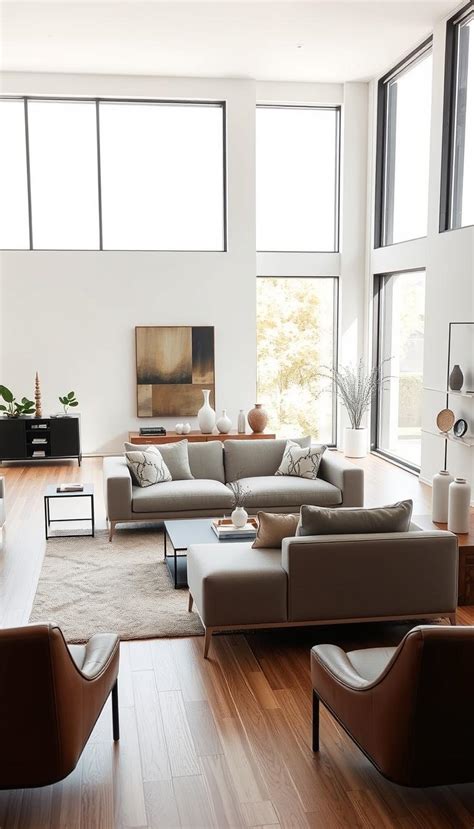
Modern design has evolved far beyond stark white walls and clinical grey finishes. Today’s contemporary U.S. homes lean toward warm, organic neutrals like soft beige, creamy ivory, warm taupe, and muted terracotta. These hues reflect natural sunlight beautifully, making rooms feel bright during the day and enveloping the space in a cozy, calming atmosphere once evening arrives.
Layering these neutral tones requires careful attention to undertones. Avoid mixing cool-based greys with warm beige paint unless you want a clashing visual effect. Instead, build a cohesive backdrop using varying shades of the same tonal family, allowing the subtle shifts in color to add depth and architectural interest without relying on loud patterns or distracting wallpaper.
3. Introduce Architectural Textures with Wood Slats
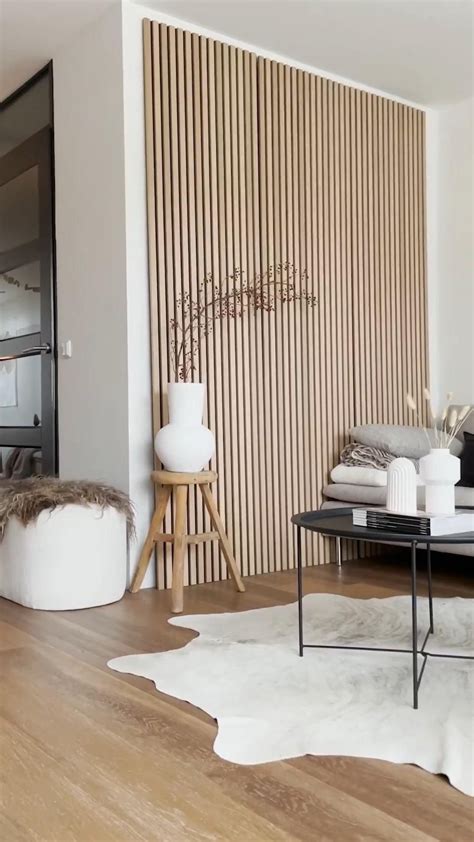
Adding texture is the secret weapon to preventing a modern living room from feeling cold or sterile. Accent walls featuring vertical oak or walnut wood slats have become immensely popular in modern American interior design because they introduce warmth, organic rhythm, and subtle acoustics dampening to large, open-plan spaces.
You do not need to panel an entire room to achieve this look. Applying a slatted wood treatment behind your media console or as a backing for floating shelving creates an instant focal point. Pair these warm wood tones with smooth plaster walls or matte black metal accents to achieve a sophisticated contrast that bridges industrial edge and organic comfort.
4. Opt for Low-Profile, Deep-Seat Upholstery
Furniture silhouette defines the visual weight of a living room. Low-profile sofas with deep cushions offer an undeniably modern profile that keeps sightlines open, making rooms feel larger and airier. This design choice is particularly effective in suburban homes with standard eight-foot ceilings, as lower furniture creates a greater perceived distance between the floor and ceiling.
Prioritize high-resilience foam wrapped in down or synthetic down alternatives to ensure that a low-profile silhouette does not sacrifice physical comfort. Performance fabrics such as woven linen blends, heavy textured chenille, or kid-friendly performance velvets ensure that your stylish sofa withstands daily wear and tear from family members and pets alike.
5. Layer Smart, Architectural Lighting Solutions
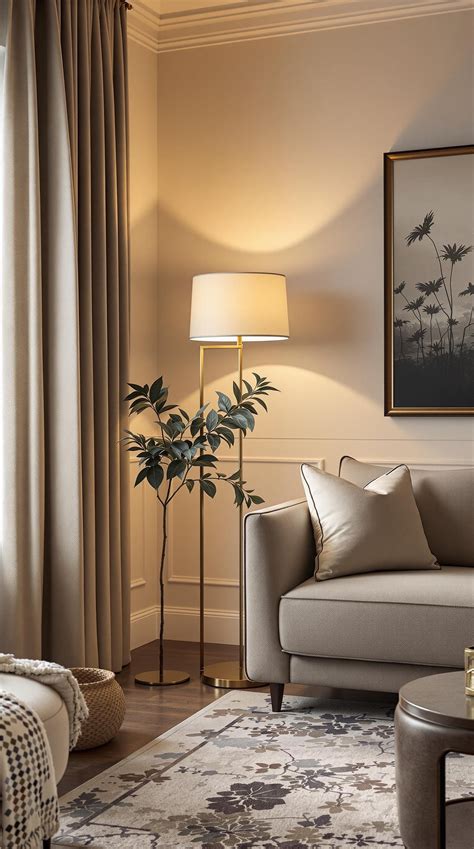
Relying on a single overhead ceiling light is the fastest way to flatten a modern room’s aesthetic. A truly modern living room utilizes layered lighting across three distinct tiers: ambient, task, and accent lighting. Combine recessed ceiling cans on dimmers with sculptural floor lamps, sleek wall sconces, and subtle LED strip lighting tucked behind floating media units.
Smart lighting integration allows you to shift the mood of your living room instantly. Program warm color temperatures for relaxing evenings and crisp, bright light for daytime tasks or reading. By concealing light sources and highlighting architectural features like brick fireplaces or artwork, you add drama and dimension to the space without cluttering surfaces with extra lamps.
6. Integrate Multi-Functional Furniture for Versatile Living
Modern American lifestyles demand versatility from our living spaces, which frequently double as home offices, playrooms, or guest quarters. Multi-functional furniture allows you to maximize every square foot without sacrificing clean modern aesthetics. Consider nesting coffee tables that can be pulled apart when entertaining, or an ottoman with hidden interior storage for spare blankets and board games.
When choosing storage pieces, look for clean-lined sideboards or media credenzas with push-to-open doors or integrated cord management. Keeping cords, chargers, and everyday clutter out of sight is fundamental to maintaining the serene, minimalist aesthetic that defines contemporary interior design.
7. Connect Indoors and Outdoors with Biophilic Design
Bringing nature indoors is a cornerstone of modern residential architecture across the United States. If your living room features large windows or sliding glass doors looking out onto a backyard or patio, keep window treatments minimal or nonexistent to frame the natural landscape as living artwork.
Enhance this indoor-outdoor connection by incorporating large, potted statement plants like a Fiddle Leaf Fig, Bird of Paradise, or a sculptural Snake Plant. Pair greenery with natural stone elements, such as a travertine coffee table or a slate hearth, to ground the room in organic materials that soften the sleek lines of modern architecture.
8. Make a Statement with Oversized Modern Artwork
Modern living rooms thrive on bold, uncluttered statements rather than crowded gallery walls. Hang a single large-scale abstract canvas above your sofa or fireplace. A substantial piece of art draws the eye upward, accentuates ceiling height, and sets the emotional tone for the entire space through its color palette and brushwork.
When hanging oversized art, ensure the center of the canvas sits roughly at eye level—typically around 57 to 60 inches from the floor. Choose a frame style that complements your overall decor, such as a minimalist natural wood float frame for a warm, organic feel or a sleek black metal frame for a sharper, industrial touch.
9. Experiment with Mixed Metals and Matte Finishes
The days of matching every metal finish in your home are long gone. Modern living rooms celebrate curated eclecticism through mixed metals, pairing matte black hardware with brushed brass, aged bronze, or polished nickel accents. This layering adds sophisticated visual friction and prevents the room from looking too uniform or showroom-staged.
To execute this successfully, choose one dominant metal for major fixtures like lighting frames or fireplace surrounds, and use a secondary metal sparingly for smaller accent details such as coffee table legs, tray decor, or picture frames. Keeping finishes matte or brushed rather than ultra-shiny ensures the look remains sophisticated and understated.
10. Anchor the Room with a Concrete or Micro-Cement Fireplace
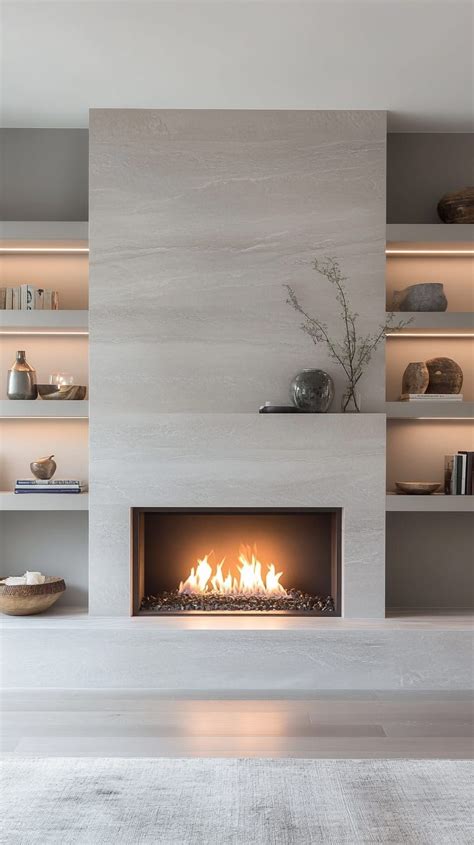
The fireplace often serves as the natural focal point of an American living room. Updating a dated brick or ornate traditional fireplace with a smooth, seamless concrete or micro-cement surround instantly modernizes the entire room. The cool, industrial texture of concrete provides a stunning juxtaposition against plush upholstered sofas and woven textiles.
If pouring a solid concrete surround is outside your renovation scope, consider micro-cement finishes that can be applied directly over existing brick or drywall by a professional or skilled DIYer. Pair the streamlined hearth with a simple, floating white oak mantel to introduce a touch of warmth and balance out the industrial weight.
11. Keep Window Treatments Sleek and Functional
Heavy, ornate drapery panels and elaborate valances clash with the clean lines of modern interior design. Instead, opt for streamlined window treatments that offer precise control over natural light and privacy. Motorized solar shades, minimalist linen drapery hung close to the ceiling line, or sleek inside-mount wooden blinds enhance the room’s architectural proportions.
Hanging your curtain rods several inches above the window frame and extending them wider than the glass makes windows appear significantly larger and floods the room with diffused daylight. Choose neutral, lightweight fabrics that billow softly in the breeze rather than stiff, formal textiles.
12. Incorporate Tactile Textures Through Boucle and Leather
Because modern color palettes tend to be restrained, texture is what gives a room its soul. Mix tactile fabrics like heavy boucle, nubby wool, smooth top-grain leather, and raw-edge linen across your seating and accessories. A boucle accent chair paired with a leather sofa creates a rich interplay of touch and sight that feels luxurious yet approachable.
Avoid matching all your furniture upholstery to the exact same fabric family. Layering different textures prevents a neutral room from feeling flat and invites occupants to physically interact with the space, enhancing overall comfort and coziness.
13. Curate Styling with Negative Space in Mind
Styling coffee tables, bookshelves, and console surfaces is an art form that requires restraint. In a modern living room, negative space is just as important as the objects on display. Avoid the temptation to fill every surface with decorative trinkets; instead, group items in odd numbers and leave generous pockets of empty space.
Adopt a curated approach by displaying a few meaningful objects—such as a stack of art books, a ceramic vessel, and a sculptural candle holder. This deliberate editing lets each piece breathe and prevents the room from sliding into visual clutter, maintaining the calm, ordered environment essential to modern design.
14. Integrate Hidden Tech and Acoustic Comfort
Modern living spaces must accommodate entertainment systems, streaming devices, and smart home hubs without letting technology dominate the room’s aesthetic. Utilize built-in media cabinetry with louvered doors that conceal electronics while allowing remote signals and ventilation to pass through seamlessly.
Furthermore, consider acoustic comfort, particularly in open-concept homes with hardwood or tile flooring. Large area rugs, upholstered furniture, heavy linen curtains, and wall art help absorb sound reflections, ensuring that conversations remain comfortable and echoes are minimized during lively gatherings.
15. Personalize with Collected, Timeless Objects
True modern design is not about creating a sterile museum exhibit; it should reflect the personalities and travels of the people who live there. Balance ultra-modern furniture silhouettes with vintage pottery, handcrafted ceramics, or heirloom decorative objects collected over time.
These soulful, wabi-sabi elements add history and human warmth to sleek contemporary spaces. By pairing clean modern lines with unique, time-worn treasures, you create a dynamic, highly personal living room that feels effortlessly chic and deeply welcoming for years to come.
Frequently Asked Questions
What defines a modern living room style?
Modern living room style is defined by clean lines, a neutral or organic color palette, functional layouts, minimal clutter, and a balance of industrial and natural textures. Unlike traditional design, it prioritizes simplicity, spatial flow, and purposeful decor over ornate details.
How can I make a small living room look modern?
To modernize a small living room, choose low-profile furniture that keeps sightlines open, use a light and cohesive color palette, and avoid pushing all furniture against the walls. Incorporate multi-functional pieces like storage ottomans, and keep surfaces uncluttered with strategic negative space.
What are the trending colors for modern U.S. living rooms?
Current color trends move away from cold greys toward warm neutrals, including creamy ivory, warm taupe, soft beige, and muted terracotta. These tones are often paired with grounding dark accents like matte black or rich walnut wood.
How do I mix comfort with modern minimalism?
You can balance minimalism and comfort by layering tactile, cozy textures such as boucle, chunky wool, leather, and woven linens. Prioritize deep-seat, high-resilience upholstered furniture and warm, layered lighting to ensure the space feels inviting rather than stark.


