Living in a compact US apartment often means navigating limited square footage, minimal hallway closets, and strict lease agreements that prohibit permanent modifications. However, having less space does not mean sacrificing style, comfort, or daily functionality. By focusing on intentional design, clever storage, and rental-safe updates, you can transform a cramped floor plan into an open, inviting home that works seamlessly for your lifestyle.
Embrace Multifunctional Furniture and Flexible Layouts
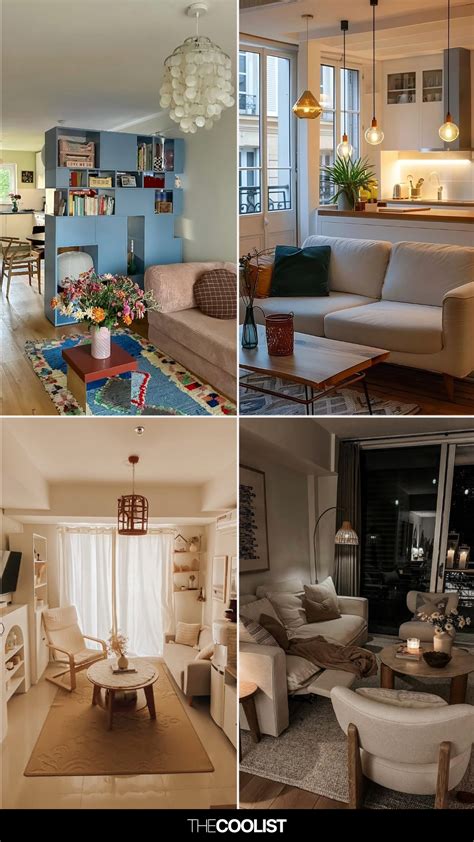
When every square foot counts, single-purpose furniture quickly eats up valuable floor space and limits your room’s potential. Investing in pieces that serve more than one function is essential for maintaining an uncluttered environment where you can comfortably move around. Consider introducing a storage ottoman that doubles as a coffee table to hide extra blankets, or an extendable dining table that tucks away compactly when you are dining solo but expands when hosting friends. Choosing furnishings with hidden cavities or modular capabilities ensures that every item earns its place in your home.
For studio apartments or open-concept layouts, modular sectionals with built-in chaise storage or sleeper sofas provide practical solutions for overnight guests without requiring a dedicated guest room. When arranging these foundational pieces, try pulling furniture slightly away from the walls rather than pushing everything to the perimeter. This slight adjustment creates a subtle breathing room that tricks the eye into perceiving the room as wider and more open. Furthermore, incorporating pieces with exposed legs allows light to flow underneath, reducing the visual weight of heavy items in small living areas.
Capitalize on Vertical Space and Non-Permanent Storage
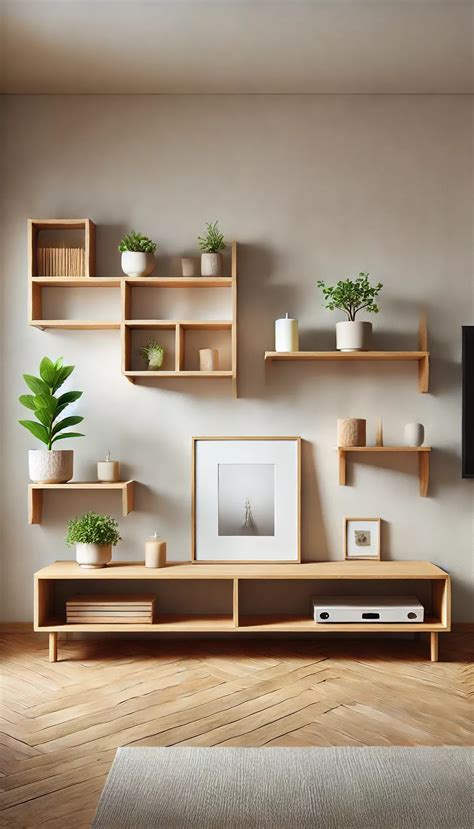
Floor space is finite in most urban apartments, but wall space offers tremendous untapped potential for organization and display. Standard rental properties usually feature standard or high ceilings that frequently go entirely underutilized. Installing floating shelves near the upper wall line allows you to store rarely used items, books, or decorative trailing plants well out of your daily walking path while drawing the eye upward to emphasize room height.
If drilling holes into drywall violates your lease agreement, look for tension-rod shelving units, over-the-door organizers, or heavy-duty adhesive hooks designed for smooth surfaces without leaving behind permanent damage. In compact kitchens and bathrooms, magnetic knife strips, stackable cabinet risers, and tall narrow pantries help harness vertical storage without requiring permanent hardware installations. These clever adjustments keep countertops clear and ensure that everyday essentials remain easily accessible.
Create Optical Illusions with Light and Mirrors
Strategic lighting and well-placed mirrors can dramatically alter the perception of a tiny room by bouncing natural illumination into dark corners and brightening gloomy hallways. Hanging a large floor mirror opposite a window captures incoming daylight and reflects it deeper into the living space, instantly doubling the visual depth of the room. This simple styling trick requires zero architectural changes and works remarkably well in narrow bedrooms and compact living rooms.
Layering your lighting sources is equally important for eliminating harsh shadows that make small spaces feel cramped and oppressive. Instead of relying solely on a single overhead ceiling fixture, combine floor lamps, dimmable table lamps, and under-cabinet LED strips. This warm, multi-level illumination creates a cozy ambiance while visually expanding boundaries. By balancing ambient, task, and accent lighting, you establish depth and warmth that flatter any small apartment interior.
Zone Your Open-Plan Layout Without Walls
In many modern US apartments, the kitchen, dining area, and living room share a single continuous footprint without structural dividers. Without physical room boundaries, this setup can easily look chaotic or lack a clear sense of purpose. You can establish distinct functional zones by anchoring each area with a well-sized area rug that visually separates the living space from the dining nook or home office corner.
Open-back bookshelves and console tables placed strategically behind the sofa also act as subtle room dividers. They provide extra surface area and storage while clearly defining where one zone ends and another begins, ensuring your home feels organized rather than haphazardly crowded. Maintaining clear sightlines across these zones preserves an airy atmosphere while giving every daily activity a dedicated home.
Frequently Asked Questions
How can I make a small US apartment look bigger without renovating?
You can visually expand a small apartment by maximizing natural light, hanging large mirrors opposite windows, keeping window treatments sheer and high, and using a cohesive neutral color palette. Additionally, maintaining clear pathways and reducing visual clutter immediately makes rooms feel more spacious.
What are the best space-saving furniture options for tight spaces?
Look for furniture with built-in hidden storage, such as lift-top coffee tables, storage benches, and platform beds with under-bed drawers. Drop-leaf tables, nesting tables, and modular sofas are also fantastic choices because they adapt easily to your changing daily needs.
How do I decorate a rental apartment without losing my security deposit?
Focus on non-permanent updates such as peel-and-stick wallpaper, command hooks, tension-rod curtains, and furniture-based storage solutions. If you swap out cabinet hardware or light fixtures, always store the original landlord-provided pieces safely so you can reinstall them before moving out.


