When designed with intention, living room shelving does far more than simply hold your literary collection. It sets the tone for the entire room, framing your personal interests while balancing architecture and negative space. Whether you are working with sprawling custom built-ins or renter-friendly floating ledges, arranging books and decorative objects requires a thoughtful approach to avoid visual clutter.
Rather than packing every cubic inch with paperbacks and knick-knacks, professional stylists use negative space, color palettes, and varied orientations to create breathing room. The secret lies in treating your shelves as a dynamic three-dimensional canvas that can evolve alongside your reading habits and seasonal decor preferences.
1. Master the Art of Architectural Built-Ins
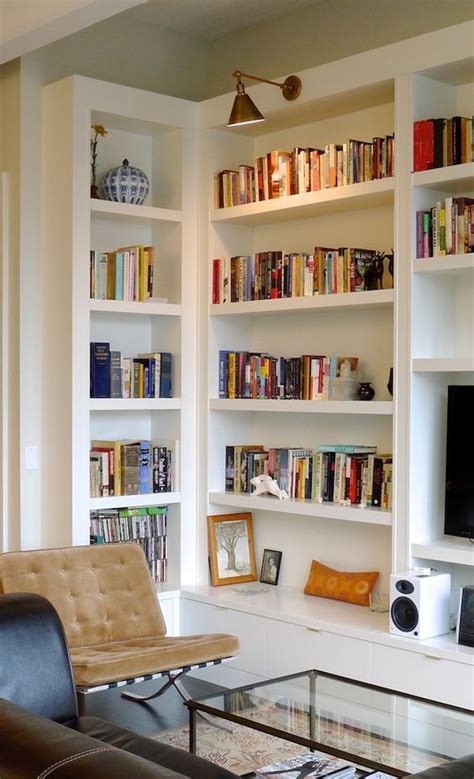
Custom or semi-custom built-in bookshelves instantly anchor a living room, offering a seamless architectural feature that feels like it belongs to the home’s original structure. To style these expansive units without overwhelming the space, start by anchoring the lower cabinets with heavier storage boxes or oversized art books, leaving the upper shelves lighter and more visually open.
Varying the rhythm of your items prevents the wall from looking monotonous. Alternate between vertical book rows, horizontal stacks topped with a small object, and entirely open pockets of negative space. This approach draws the eye naturally across the arrangement, highlighting your favorite titles rather than burying them in a sea of paper.
2. Maximize Wall Space with Floating Ledges
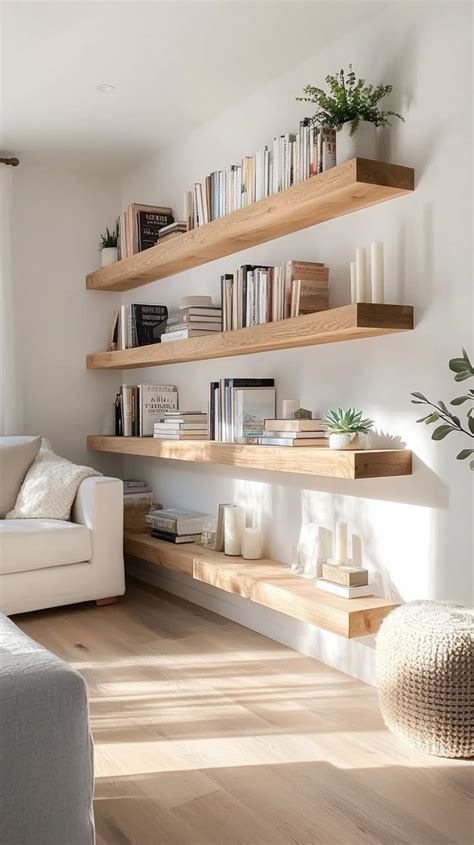
For smaller living rooms or rental properties where permanent cabinetry is out of the question, minimalist floating shelves offer a versatile alternative. When installing wall-mounted shelves, structural safety is paramount; always anchor your brackets directly into wall studs, especially when heavy hardcovers are involved. Distribute the weight evenly across the ledges to prevent sagging and ensure long-term stability.
Style these linear shelves with a curated selection of books turned spine-out, punctuated by trailing plants or framed art leaned gently against the wall. Because floating shelves have a lighter visual footprint, they keep small living rooms feeling airy while still delivering substantial display capacity.
3. Play with Book Orientations and Color Theory
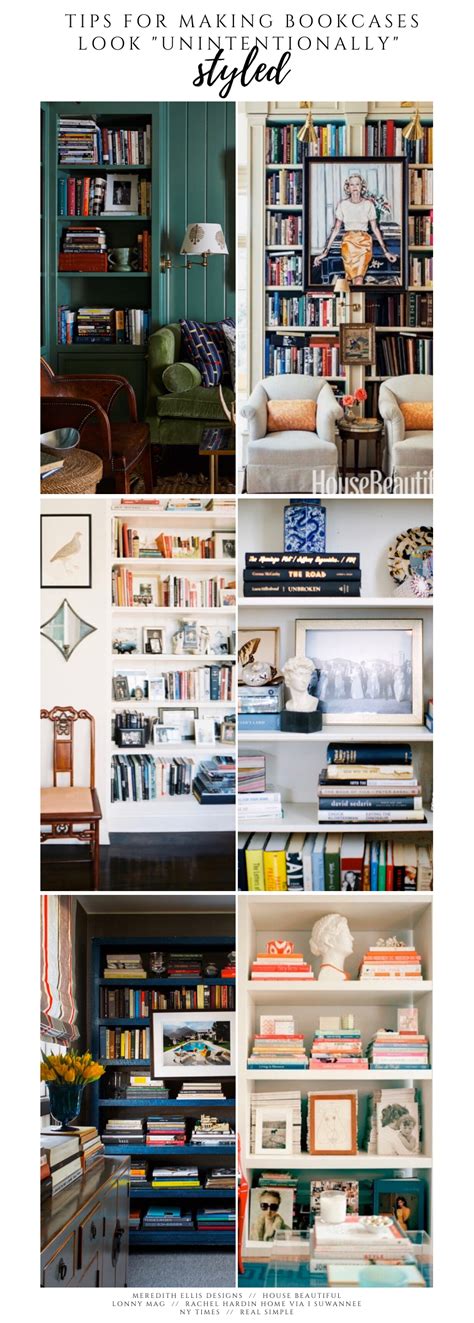
A common mistake in shelf styling is lining up every book in a uniform, vertical row. Break up this monotony by mixing vertical bookends with horizontal stacks of three to five books. These horizontal piles act as natural pedestals for smaller sculptural objects, bowls, or framed photographs, adding depth and varied heights to the shelfscape.
When it comes to color, you can choose between a cohesive monochromatic palette—such as organizing books by neutral spine colors—or a vibrant, curated chromatic gradient. If your book collection features wildly contrasting neon and glossy covers, consider turning a few books around so the pages face outward, instantly creating a softer, more uniform texture across the display.
4. Seamlessly Blend Decor and Lighting
Shelves should never look like a library archive unless that is your specific design goal; they are an opportunity to showcase your personality. Integrate tactile decorative objects like ceramic vases, brass candlesticks, and woven baskets to break up the lines of text. A good rule of thumb is to group items in odd numbers, which naturally creates a more appealing composition to the human eye.
Lighting can completely transform your living room shelving after dark. Consider installing battery-operated puck lights under each shelf or wiring slim picture lights above custom units. Soft, warm illumination highlights your favorite volumes and decorative accents, adding a cozy, high-end ambiance to your living room during evening hours.
Frequently Asked Questions
How can I style my living room bookshelves so they look professional and not cluttered?
To avoid a cluttered look, embrace negative space by leaving portions of your shelves entirely empty. Group books in smaller clusters—some vertical and some horizontal—and punctuate them with sculptural decor objects rather than filling every inch with items.
What are some clever ways to arrange books besides stacking them vertically?
You can stack books horizontally to create stable platforms for small decorative objects, face select books forward like art prints if you have compelling covers, or arrange them by color families to create a clean, intentional visual rhythm.
How do I safely install shelves for heavy book collections?
Heavy book loads require strict attention to hardware and wall construction. Always locate and anchor your shelf brackets directly into wooden wall studs or use heavy-duty toggle bolts if mounting into drywall, ensuring you respect the weight limits specified by the manufacturer.


