Gray porcelain tile has cemented its place as a cornerstone of contemporary American interior design. Thanks to its remarkable durability, low maintenance profile, and immense versatility, porcelain is an ideal choice for high-traffic areas, moisture-prone bathrooms, and expansive open-concept living spaces. Unlike standard ceramic tiles, porcelain is denser, less porous, and engineered to withstand heavy furniture and foot traffic without cracking or wearing down prematurely.
Bringing gray tiles into your home does not mean your space has to feel cold or industrial. By selecting the right shade—ranging from warm greige to deep charcoal—and pairing it with thoughtful textures, you can create spaces that feel grounded, inviting, and sophisticated. The following seventeen design concepts highlight how modern homeowners can use gray porcelain tile to elevate everyday living.
Open-Concept Living Spaces and Expansive Floors
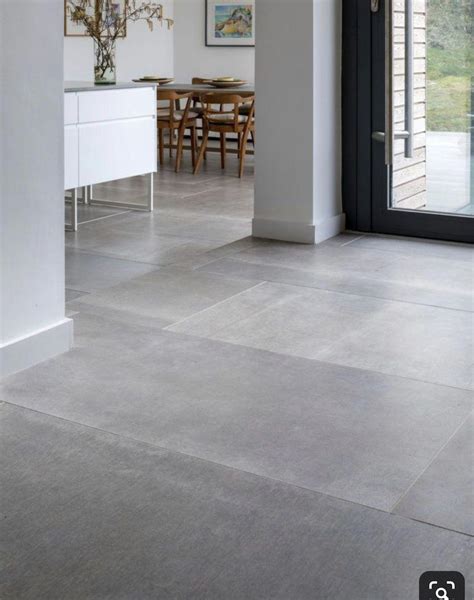
Large open-concept layouts dominate modern U.S. architecture, and flooring choice is vital to maintaining visual continuity. Utilizing large-format gray porcelain tiles helps minimize grout lines, creating an uninterrupted surface that makes rooms feel even larger and more cohesive.

1. Seamless 24×48 Charcoal Slabs: Laying ultra-large rectangular slabs in a running bond pattern grounds minimalist living rooms, offering a sleek foundation for warm wood furniture and textured woolen rugs.
2. Polished Concrete-Look Planks: Achieve the trendy industrial aesthetic of poured concrete without the cracking risks by choosing gray porcelain planks with a subtle aggregate visual.
3. Subtle Greige Herringbone: Introduce movement into formal sitting rooms by installing elongated greige (gray-beige) porcelain tiles in a classic herringbone layout.
4. Monolithic Slate-Effect Pavers: Use dark gray slate-look porcelain indoors to anchor dramatic vaulted ceilings and large glass sliding doors.
Contemporary Kitchens and Dining Areas
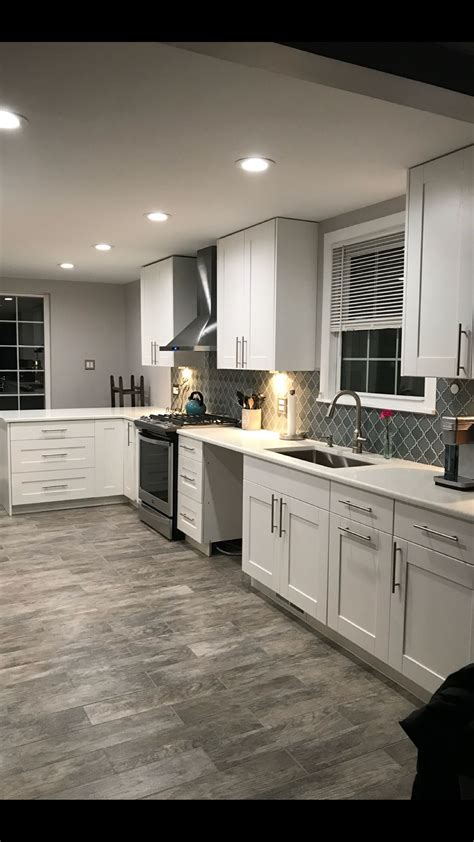
Kitchen floors and backsplashes face daily moisture, food spills, and heavy wear. Gray porcelain provides an indestructible yet stylish canvas that bridges functionality with high-end design.
5. Matte Finish Light Gray Tiles: Opt for a chalky, matte finish to soften bright kitchen lighting and hide everyday dust, footprints, and pet hair.
6. Geometric Terrazzo-Style Porcelain: Inject playful personality into a modern kitchen island surround using gray-based terrazzo-patterned porcelain tiles.
7. High-Contrast Grout Pairings: Pair light gray subway porcelain tiles with charcoal grout on kitchen backsplashes to add architectural definition without overwhelming smaller walls.
8. Seamless Waterfall Island Cladding: Wrap kitchen islands entirely in thin-gauge gray porcelain panels for a dramatic, monolithic statement piece.
Spa-Inspired Bathrooms and Shower Walls
Bathrooms require materials that resist humidity and water infiltration effortlessly. Gray porcelain allows you to craft serene, spa-like retreats that stand up to daily steam and splashes.
9. Pebble-Textured Floor Inserts: Combine smooth large-format gray wall tiles with textured gray porcelain pebble mosaics inside the shower basin for gentle underfoot traction.
10. Fluted Three-Dimensional Wall Tiles: Utilize ribbed or fluted gray porcelain tiles on a vanity accent wall to introduce tactile depth and modern shadow play.
11. Book-Matched Marble-Look Porcelain: Capture the luxurious look of gray-veined Carrara or Bardiglio marble without the staining vulnerabilities by choosing large-format porcelain slabs.
12. Minimalist Stacked Square Tiles: Install matte medium-gray square tiles in a clean, grid-like stacked pattern paired with matte black hardware for a tailored, architectural aesthetic.
Wood-Look Planks and Natural Transitions
Homeowners frequently love the warmth of hardwood but hesitate to install it in mudrooms, laundry rooms, or basements where moisture is a constant concern. Wood-look gray porcelain solves this dilemma entirely.
13. Weathered Driftwood Planks: Lay gray porcelain planks with simulated grain and knots in laundry spaces for a rustic yet completely waterproof flooring solution.
14. Chevron-Patterned Ash Planks: Elevate a formal entryway with a chevron parquet layout using cool-toned gray wood-look porcelain planks.
15. Continuous Indoor-Outdoor Thresholds: Extend matching gray porcelain tiles from an indoor mudroom directly onto a covered exterior porch to blur the boundary between inside and outside.
Outdoor Living and Architectural Accents
Exterior spaces in modern American homes often double as outdoor living rooms. Extra-thick porcelain pavers offer frost-resistant, fade-proof performance under harsh sun and snow.
16. 2cm Thick Patio Pavers: Install dry-laid, thick gray porcelain pavers over grass or sand on backyard patios for a sturdy, maintenance-free entertainment zone.
17. Integrated Stair Treads: Finish outdoor concrete steps with custom-cut gray porcelain stair treads featuring slip-resistant nosing for safety and modern clean lines.
Frequently Asked Questions
What are the best shades of gray porcelain tile for bright versus dim rooms?
For rooms flooded with natural sunlight, cooler charcoal and deep slate gray tiles absorb excess brightness and ground the space. In darker rooms with limited windows, choose lighter greige or soft silver-gray tiles with a satin finish to bounce available light around the room without feeling sterile.
How do matte and polished gray tiles differ in maintenance and slip resistance?
Matte tiles offer higher slip resistance and are better at masking footprints, dust, and water spots, making them ideal for bathrooms, kitchens, and mudrooms. Polished tiles feature a mirror-like sheen that amplifies light and elegance in formal living areas, but they can become slippery when wet and require more frequent wiping to maintain their glossy finish.
How can gray porcelain tiles be styled to avoid looking too cold?
To keep gray tile interiors warm and inviting, incorporate organic elements like warm oak wood furnishings, brass or brushed gold hardware, textured woolen rugs, and layered textiles. Introducing greenery and warm lighting temperatures (around 2700K to 3000K) instantly balances cool gray tones.


