Revitalizing your living room often starts at eye level. When looking for ways to refresh a tired interior layout without undertaking a massive renovation, upgrading your shelving delivers an immediate architectural impact. For 2025, living room shelf designs have evolved far beyond standard plywood rectangles mounted to drywall. Today’s trends seamlessly merge high-end craftsmanship with versatile storage, offering solutions that cater equally to permanent homeowners building custom millwork and renters seeking damage-free vertical solutions.
Successful living room shelving relies on striking a balance between negative space and curated displays. Whether you prefer the clean lines of minimalist floating timber or the dramatic presence of floor-to-ceiling built-ins, incorporating the right shelving concept can redefine your entire space. Below is a comprehensive guide featuring 25 inspiring shelf designs, along with practical styling frameworks to ensure your living room feels balanced, intentional, and clutter-free.
The 2025 Living Room Shelving Landscape
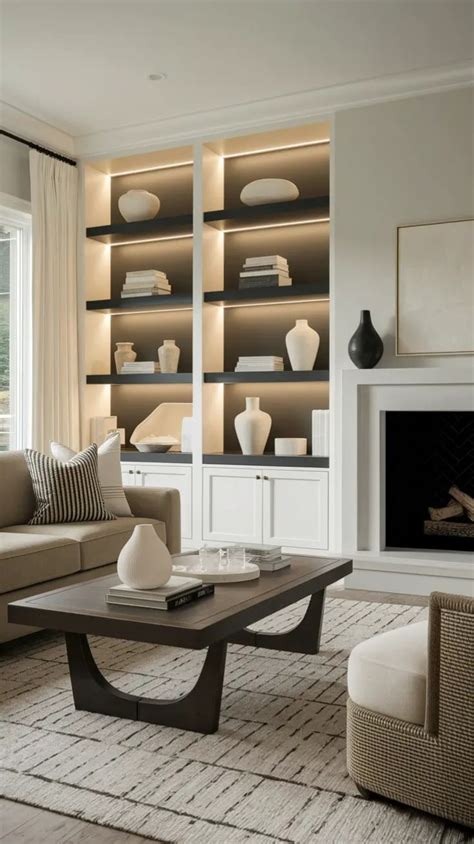
As interior design trends shift toward warmth, organic textures, and personalization, shelving has transformed from a purely utilitarian feature into a primary focal point. Homeowners are increasingly moving away from cold, strictly high-gloss surfaces in favor of warm woods like white oak and walnut, alongside tactile lime-washed or textured plaster backing behind open displays. This evolution acknowledges that a living room must function as a restful sanctuary while still holding books, personal artifacts, and modern media components.
Furthermore, flexibility remains a major priority for modern living spaces. Multi-functional layouts that incorporate hidden drop-down desks, integrated lighting, or modular configurations allow living rooms to adapt rapidly to changing lifestyle needs. By understanding the core design categories available, you can select a shelving configuration that addresses both your aesthetic preferences and your everyday organizational requirements.
Curated Shelf Designs 1 through 10: Architectural and Built-In Statements
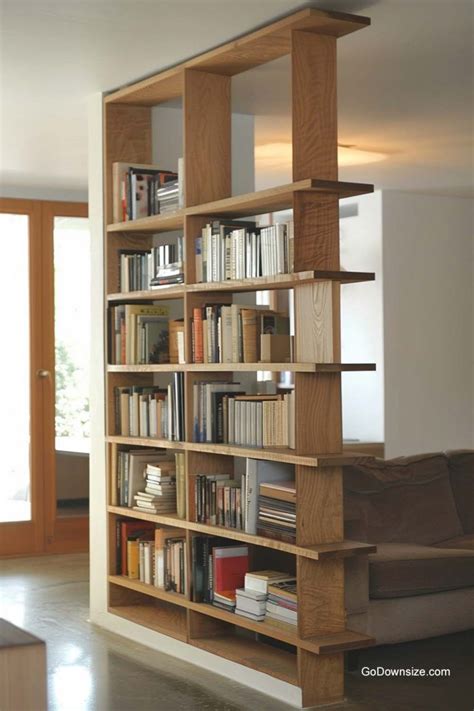
Permanent or semi-permanent architectural shelving creates a custom, high-end feel that instantly elevates a living room’s perceived value. These substantial designs anchor the room and offer incredible weight capacity for extensive book collections and heavy art pieces.
- The Floor-to-Ceiling Library Wall: Encompassing an entire accent wall with custom wooden shelving around a fireplace or media center creates instant grandeur and maximum storage capacity.
- Fluted Backing Floating Shelves: Thick oak floating shelves mounted against a tambour or fluted wood-panel backdrop add subtle texture and depth without requiring heavy brackets.
- Arched Recessed Wall Niches: Built-in arched drywall niches fitted with glass or wood shelves offer a soft, Mediterranean-inspired display area for sculptural objects and ceramics.
- Fireplace Alcove Custom Built-Ins: Matching lower cabinets paired with open upper shelving maximize the often-awkward dead space flanking a traditional living room fireplace.
- Full-Wall Steel Frame Grid: Industrial black steel vertical uprights paired with thick reclaimed wood planks provide a modern architectural grid system that commands attention.
- Media-Concealing Sliding Panel Shelves: Innovative shelving designs featuring a movable front bookcase layer that slides horizontally to reveal a hidden television or storage cavity.
- Monolithic Concrete Ledge Shelves: Poured concrete floating shelves integrated directly into a masonry wall offer an earthy, brutalist-lite aesthetic suited for modern minimalist spaces.
- Glass-Enclosed Display Cabinets: Built-in tall cabinets with slim metal frames and glass doors protect treasured vintage collections from dust while maintaining visual openness.
- Corner Wrap-Around Bookshelves: Continuous shelving that wraps seamlessly around a living room corner transforms dead structural angles into functional display libraries.
- Double-Sided Room Divider Shelves: Open-backed shelving units that anchor the center of an open-plan layout, delineating the living room zone from the dining area.
When planning architectural or built-in shelving, always evaluate your wall structure and consult a professional if you are anchoring heavy hardwood or masonry units. Taking time to map out vertical spacing ensures that even the bulkiest art books or tallest vases fit comfortably without awkward overhangs.
Curated Shelf Designs 11 through 18: Modern Minimalism and Flexible Renter Solutions
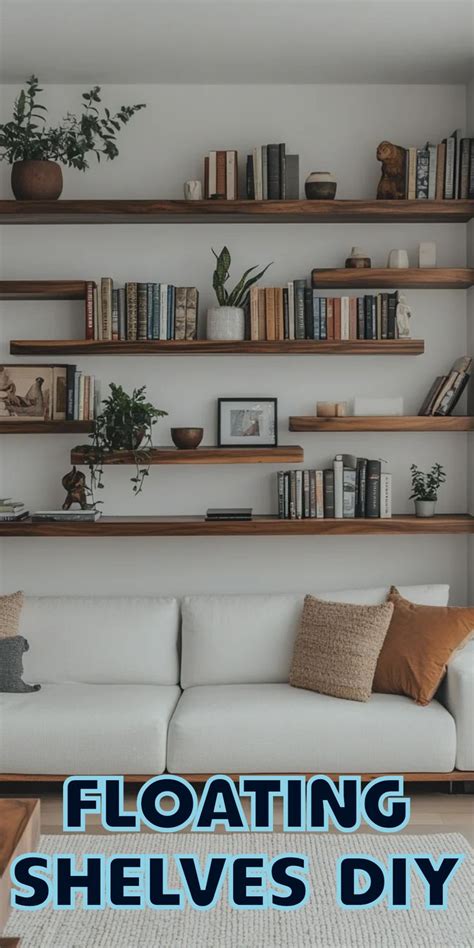
Not every living room requires permanent construction. For renters or those who love to rearrange their furniture frequently, modern floating systems and freestanding units offer style without commitment.
- Minimalist Raw Oak Floating Planks: Simple, thick-profile white oak boards attached with heavy-duty concealed steel brackets give a clean, floating illusion.
- Modular Track-Mounted Shelving Systems: Wall-mounted vertical standards with adjustable brackets allow you to shift shelf heights seasonally to accommodate changing decor.
- Minimalist Brass and Glass Floating Ledges: Slim polished brass profiles holding tempered glass offer an airy, light-reflecting display ideal for smaller apartments.
- Leaning Ladder Shelves: Freestanding wooden ladder bookcases require zero wall anchors in many lightweight configurations, making them completely renter-friendly.
- Asymmetric Geometric Wall Modules: Interlocking metallic or wooden box frames arranged in asymmetrical patterns create an artistic gallery wall effect.
- Leather Strap Hanging Shelves: Premium full-grain leather loops supporting a light timber shelf introduce rustic, tactile warmth with minimal hardware impact.
- Tension-Rod Floor-to-Ceiling Shelves: Tension-mounted vertical posts secure a multi-tier shelving unit between floor and ceiling without driving a single screw into the wall.
- Freestanding Open Credenza Shelving: A low-profile credenza topped with a secondary open-tier metal framework combines concealed drawer space with upper display styling.
Renter-friendly shelving requires careful attention to weight limits and wall types. Always use appropriate drywall anchors or toggle bolts if you are mounting lightweight shelves, and patch any small anchor holes cleanly before moving out to secure your deposit.
Curated Shelf Designs 19 through 25: Industrial, Organic, and Creative Statements
For those looking to make a bold design statement, these final concepts incorporate mixed media, unexpected shapes, and creative placement strategies that highlight personal style.
- Pipe and Reclaimed Wood Industrial Shelves: Galvanized iron plumbing pipes paired with dark-stained weathered planks bring an urban loft aesthetic to modern suburban living rooms.
- Live-Edge Slab Cantilevered Shelves: Natural organic wood edges mounted with hidden supports celebrate the natural grain and irregularities of fallen timber.
- Suspended Ceiling-Mounted Steel Grid: Vertical metal rods dropping down from overhead ceiling joists support a suspended shelving tier directly above a sofa or seating group.
- Backlit Floating Display Ledges: Low-profile shelves featuring integrated warm LED strip channels running along the underside to wash the wall below in soft ambient glow.
- Hexagonal Honeycomb Wall Clusters: Modular wooden honeycomb cells clustered together create a playful, honeycomb-inspired display for small succulents and curios.
- Monochrome Tone-on-Tone Shelves: Shelves painted in the exact same color and finish as the surrounding wall paint for a seamless, sculptural, minimalist look.
- Vertical Book-Stack Wall Columns: Concealed metal bracket stacks that hold books horizontally in vertical tower columns, making the books themselves appear to float on the wall.
Implementing these creative designs often involves balancing raw materials with softer decorative elements. Pairing hard industrial steel or rough live-edge wood with soft textiles, woven baskets, and trailing houseplants keeps the living room feeling cozy rather than clinical.
Expert Styling Formulas for Open Living Room Shelves
Installing the right shelves is only half the battle; how you style them determines the overall success of the design. A common mistake is overcrowding every square inch with small trinkets, which creates visual noise. Instead, apply the triangular grouping rule: arrange decorative items in visual triangles, placing taller objects at the apex and smaller items tapering downward to guide the viewer’s eye smoothly across the display.
Incorporate a balanced mix of textures by pairing vertical stacks of hardcover books with horizontal paperbacks, trailing green plants like pothos or ivy, and heavy ceramic bowls. Leave roughly thirty percent of every shelf entirely empty to allow the eye to rest. This strategic negative space emphasizes your favorite statement pieces and ensures your living room shelving looks professionally curated rather than cluttered.
Frequently Asked Questions
What are the top living room shelving trends for 2025?
The top trends for 2025 focus on warm natural woods like white oak, fluted or textured backing panels, integrated ambient LED lighting, and multifunctional built-in shelving that conceals media equipment or creates architectural interest.
How can I style open shelves without making the living room look cluttered?
To prevent clutter, practice the rule of negative space by leaving about 30 percent of your shelf surfaces completely empty. Group items using a triangular layout, mix book orientations vertically and horizontally, and anchor displays with larger statement ceramics or planters.
What shelving solutions work best for rental living rooms?
Renters can use leaning ladder shelves, tension-rod floor-to-ceiling shelving systems, or lightweight floating shelves mounted with removable heavy-duty adhesive strips or minimal anchors that are easy to patch upon moving out.
How do I choose the right shelf depth for my living room?
Standard display shelves generally measure 8 to 10 inches deep, which is ideal for books, photo frames, and small decor. If you plan to store large art books, storage baskets, or electronic components, opt for shelves between 12 and 15 inches deep.


