Bringing a leather sofa into your U.S. living room instantly anchors the space with a sense of enduring craftsmanship and sophisticated character. Whether you live in a high-rise city apartment or a sprawling suburban home, leather furniture offers unmatched durability and a rich patina that evolves beautifully over the years. However, styling a leather couch requires a thoughtful balance of textures, lighting, and color palettes to prevent the room from feeling overly heavy, cold, or austere.
Successfully integrating leather into your daily living space involves understanding how your specific sofa finish—whether it is warm cognac, rich dark chocolate, sleek black, or weathered vintage brown—interacts with natural sunlight, room dimensions, and soft textiles. Below, you will find twenty-five distinct, design-forward approaches tailored to American interiors, offering practical inspiration for mixing materials, maximizing spatial layouts, and creating an inviting atmosphere for family and guests alike.
Modern Minimalist and Urban Industrial Approaches
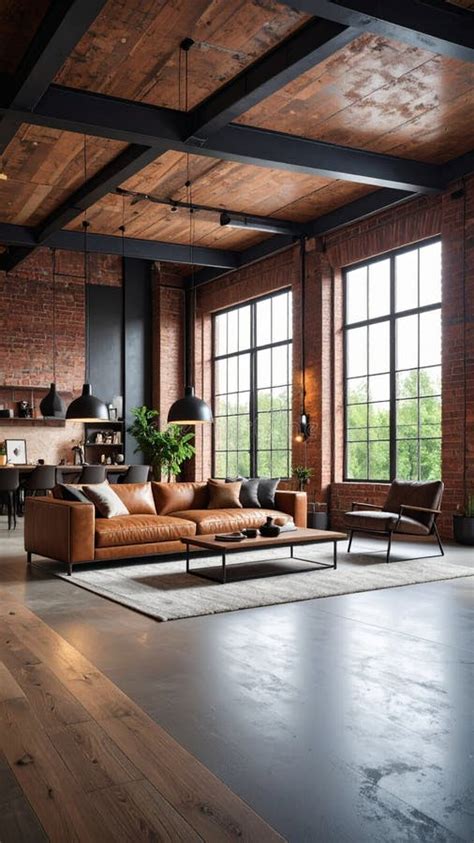
When working with urban apartments or modern architectural open-plan homes, a leather sofa serves as the ultimate statement piece. The key to these aesthetics is balancing the sleek, structured nature of leather with raw architectural elements and minimalist layouts.

Modern minimalist and urban industrial designs rely on contrasting hard and soft surfaces to create visual depth without cluttering the floor plan. In these spaces, your seating choice should complement the surrounding structural details rather than compete with them.
1. The Exposed Brick Backdrop
Pairing a distressed brown leather sofa with a genuine exposed brick wall creates an authentic loft aesthetic popular in urban centers. To soften the harshness of the brick, layer a neutral, high-pile wool rug underneath the front legs of the couch and add linen lumbar pillows in a soft oatmeal shade.
2. Matte Black Steel and Cognac
Combine a warm cognac leather sofa with matte black steel accent tables, minimalist shelving, and slim floor lamps. This high-contrast approach grounds the living room, giving it a tailored, contemporary edge that feels curated rather than cluttered.
3. Concrete Floors and Soft Throws
If your home features polished concrete or large-format gray tile flooring, a dark charcoal or black leather sofa can anchor the room. Counterbalance the cool undertones of the floor by draping an oversized, chunky knit ivory throw blanket over one corner of the cushions.
4. Floating Layouts in Open-Plan Spaces
In spacious American suburban homes with open-concept living areas, float a leather tuxedo sofa in the center of the room. Anchor it with a large geometric-patterned flat-weave rug and position a low-profile walnut coffee table in front to define the conversation zone clearly.
5. Industrial Pipe Shelving Accents
Frame your leather seating arrangement with custom industrial pipe and reclaimed wood shelving units. Display a mix of green houseplants, pottery, and books to bring organic warmth that offsets the smooth sheen of the leather upholstery.
Warm and Inviting Transitional Living Spaces
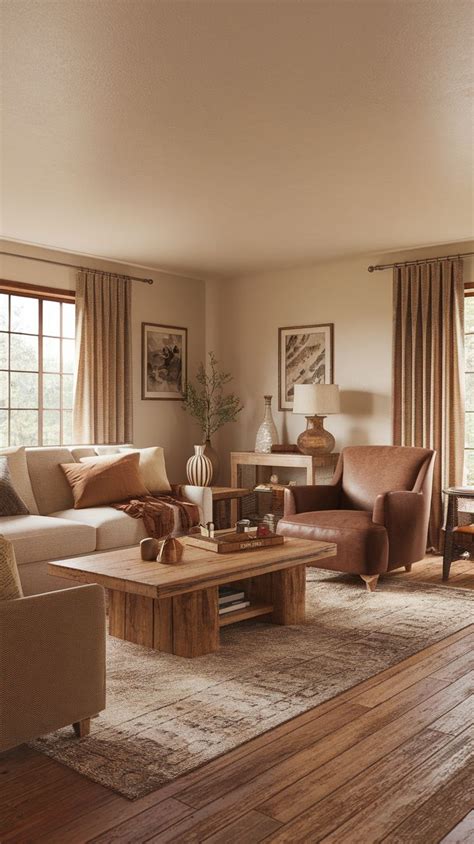
Transitional design bridges the gap between traditional comfort and contemporary simplicity, making it one of the most popular styles across the United States. Leather sofas fit seamlessly into these spaces by offering a tactile, grounding element that pairs effortlessly with cozy textiles.
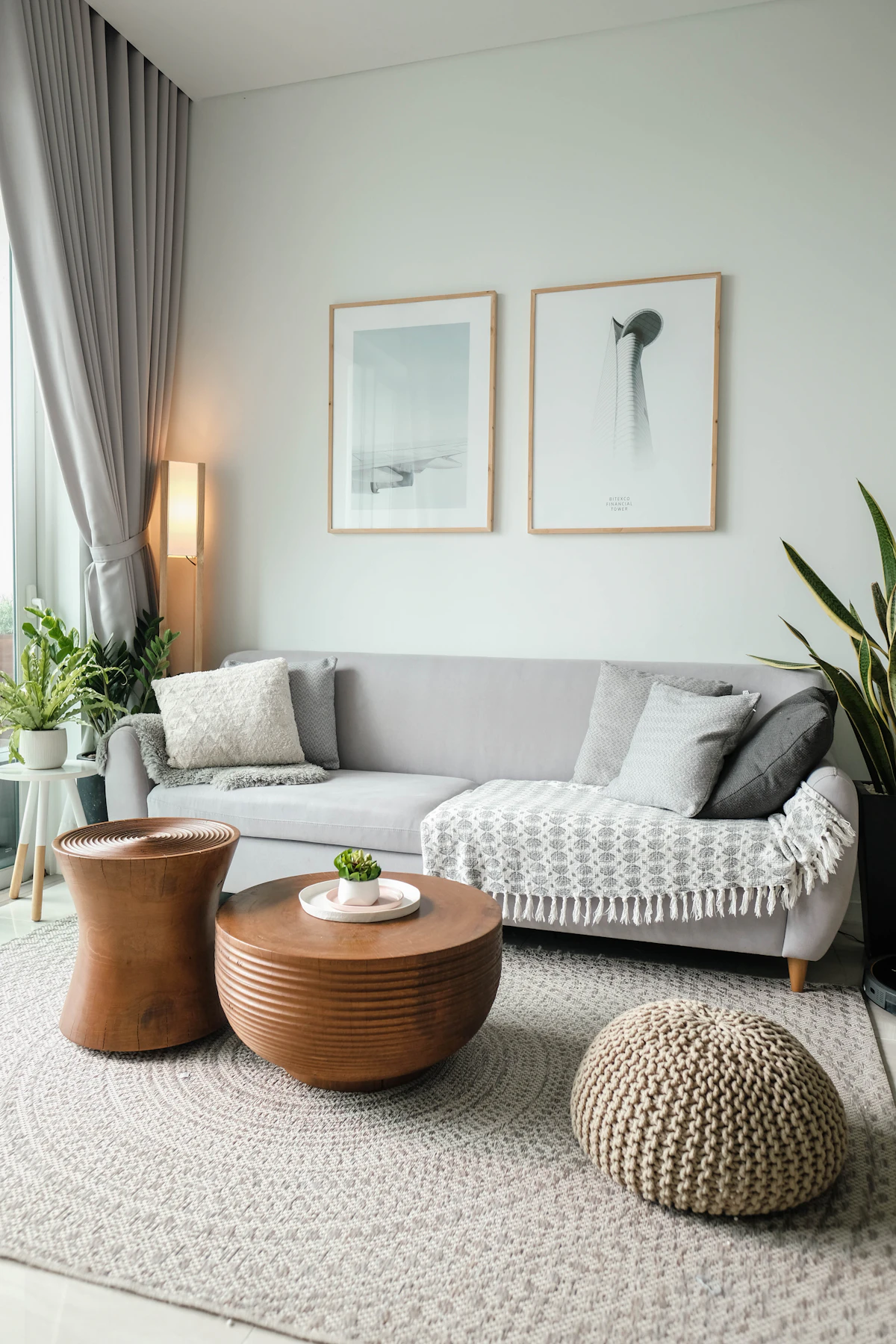
Transitional spaces benefit greatly from a mix of tactile fabrics like velvet, boucle, and woven cottons. When your primary seating is leather, introducing these plush textures ensures the living room remains warm, inviting, and comfortable year-round.
6. Layered Neutrals and Creamy Tones
Style a caramel leather sofa with soft cream-colored linen armchairs and heavy drapery in a matching warm neutral tone. This monochromatic approach highlights the rich color of the leather while maintaining an airy, light-filled environment.
7. Warm Wood Tones and Leather
Incorporate mid-century modern teak or white oak sideboards and accent chairs around your leather couch. The natural golden grains of the wood complement the undertones of brown leather, creating a cohesive, organic flow throughout the seating area.
Maintaining this balance requires paying attention to the finish of your wooden furniture. Matte or lightly oiled woods tend to harmonize better with natural leather than heavy, high-gloss polyurethane finishes.
8. Plaid and Tartan Accent Pillows
For a subtle nod to traditional country-house charm, add wool throw pillows featuring a muted plaid or tartan pattern in hunter green and navy. This adds classic American heritage style without overwhelming the modern silhouette of the sofa.
9. Statement Jute or Sisal Rugs
Ground your leather couch with a heavily textured natural jute or sisal area rug. The rough, organic weave of the rug provides an appealing contrast against the smooth, supple finish of top-grain leather upholstery.
10. Brass and Brushed Gold Lighting
Enhance the warmth of a brown or tan leather sofa by incorporating brushed brass floor lamps or sconces. The golden metallic sheen draws out the honeyed undertones in the leather, elevating the entire room’s evening ambiance.
Rustic, Farmhouse, and Earthy Aesthetics
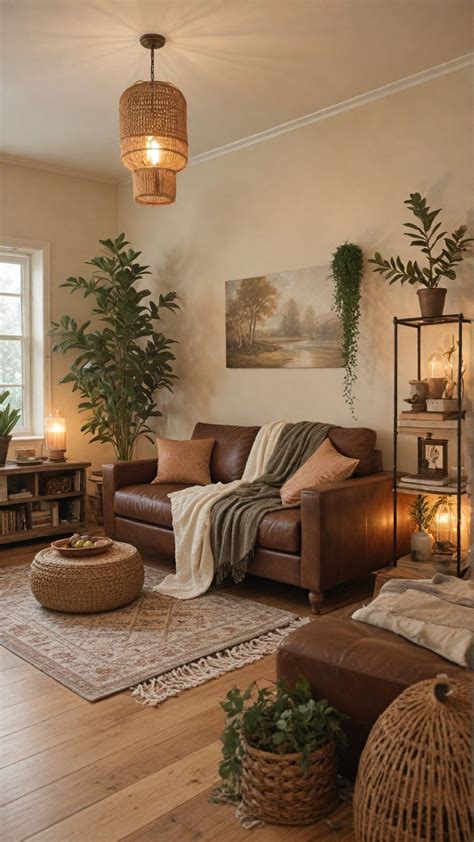
Rustic and modern farmhouse homes across the country thrive on natural materials, timeworn finishes, and comfortable, lived-in layouts. A distressed leather sofa serves as the ultimate centerpiece for these cozy, family-friendly spaces.
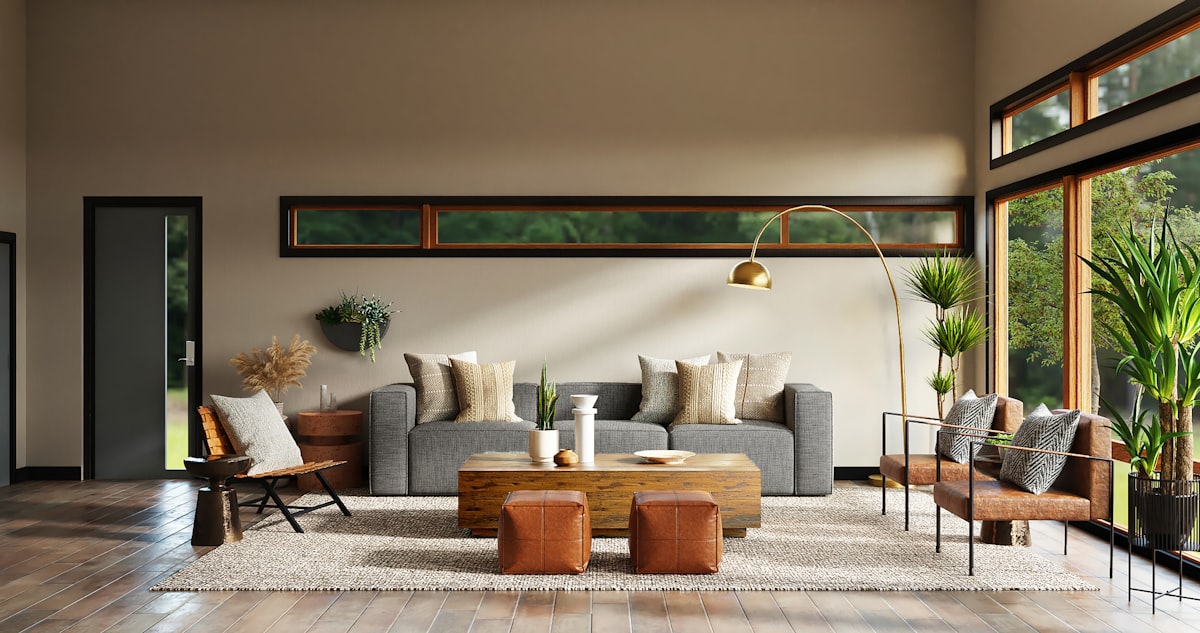
Earthy living rooms celebrate imperfections and natural patinas. When styling a leather couch in a rustic or farmhouse setting, focus on elements that feel collected over time rather than purchased as a matching set.
11. Vintage Kilim Rugs
Pair a weathered, distressed leather Chesterfield sofa with a vibrant, vintage Turkish Kilim rug. The intricate patterns and earthy red and terracotta tones in the rug breathe life into neutral or dark leather upholstery.
12. Oversized Greenery and Fiddle Leaf Figs
Position a large potted plant, such as a Fiddle Leaf Fig or a snake plant in a ceramic planter, right beside your leather sofa. The vibrant green foliage provides a stunning, natural color contrast against warm brown leather.
13. Reclaimed Timber Coffee Tables
Use a heavy, distressed coffee table crafted from reclaimed barn wood in front of your leather couch. The matching rustic textures create a cohesive, grounded look that feels right at home in rural and suburban retreats alike.
14. Velvet and Leather Combination
Soften a structured leather sofa by pairing it with accent chairs upholstered in plush emerald green or rust velvet. Mixing velvet and leather introduces a luxurious tactile dimension that enriches the entire room.
15. Stoneware and Ceramic Styling
Style the surrounding console tables and shelving with handmade ceramic vases, raw terracotta pots, and stone sculptures. These earthy accessories reinforce the organic, grounded feel established by the leather seating.
Cozy Apartment and Compact Space Solutions
Living in a city apartment doesn’t mean you have to skip out on a leather sofa. With clever layout planning and thoughtful styling choices, even a compact leather loveseat or apartment-size sofa can feel spacious and luxurious.
In smaller spaces, visual weight is everything. Choosing the right scale and keeping the surrounding floor area open prevents a leather sofa from dominating the room visually.
16. Raised Legs for Visual Airiness
Opt for a mid-century style leather sofa with slender, tapered wooden or metal legs that elevate the body off the floor. This allows light to pass underneath the couch, making compact living rooms feel significantly larger and more open.
17. Light Cream and Ivory Walls
Paint your living room walls in a soft, reflective off-white or warm cream. This bright backdrop ensures that even a darker espresso or black leather sofa pops without making the room feel cave-like or cramped.
18. Multifunctional Storage Ottomans
Pair a smaller leather sofa with a matching or contrasting leather storage ottoman that doubles as a coffee table and extra seating when hosting guests in a tight apartment layout.
19. Wall-Mounted Sconces Over Floor Space
Save valuable floor space by installing swing-arm wall sconces flanking your leather sofa instead of using bulky floor lamps. This keeps the perimeter clean and uncluttered.
20. Large-Scale Wall Mirrors
Hang an oversized arched mirror opposite or adjacent to your leather couch to bounce natural light around the room and create the illusion of extended square footage in compact U.S. apartments.
Bold, Eclectic, and Maximalist Statements
If you prefer a bolder design approach, a leather sofa provides a neutral yet luxurious canvas for vibrant colors, pattern mixing, and eclectic collections gathered from around the world.
Maximalism encourages self-expression through layered colors, art, and personal treasures. Leather anchors these bold choices, preventing an eclectic room from tipping into visual chaos.
21. Jewel-Toned Accent Walls
Set your leather sofa against a dramatic dark teal, plum, or forest green accent wall. The deep wall color makes the warm caramel or cognac tones of the leather stand out with striking visual intensity.
22. Pattern-Drenched Throw Pillows
Layer an eclectic mix of patterned throw pillows featuring block prints, ikat designs, and kantha stitching onto your leather sofa. The varied textiles break up the solid surface of the leather beautifully.
23. Gallery Wall Display Above the Couch
Create a curated gallery wall featuring mismatched frames, vintage oil paintings, and modern prints directly above your leather sofa. This draws the eye upward and integrates the seating into a larger artistic composition.
24. Shag and High-Pile Moroccan Rugs
Add ultimate comfort underfoot with a plush, cream-colored Moroccan shag rug featuring bold black diamond lines. The high-pile texture provides a cozy counterpoint to the sleek, cool surface of the leather.
25. Statement Floor-to-Ceiling Drapes
Frame your windows with floor-to-ceiling velvet or heavy linen drapery in a rich, saturated hue. This grand architectural treatment elevates the entire living space, allowing your leather sofa to shine as the ultimate anchor of comfort and style.
Frequently Asked Questions
How do I style a brown leather sofa in a small living room?
In a small living room, choose a brown leather sofa with raised legs to allow light underneath, which creates an airy feel. Pair it with light neutral walls, a large mirror to bounce light, and minimal clutter to keep the space open and inviting.
What colors go best with a cognac leather couch?
Cognac leather looks stunning paired with warm neutrals like cream and oatmeal, earthy greens, rich terracotta, and deep blues like navy or teal. Metallic accents in brushed brass or matte black also complement its warm golden undertones.
How do I keep a leather sofa from looking too cold or masculine?
To soften a leather sofa, layer tactile textiles such as chunky knit throw blankets, patterned linen or velvet pillows, and a textured wool or jute area rug. Incorporating warm wood furniture and green houseplants also adds organic warmth.
What kind of rug works best under a leather sofa?
Natural fiber rugs like jute and sisal, patterned vintage Kilims, and plush wool or Moroccan shag rugs work exceptionally well. They introduce contrasting textures that prevent the smooth surface of the leather from feeling stark.


