When looking to refresh a home with a clean, contemporary aesthetic, gray tile designs offer an unbeatable combination of versatility and sophistication. Gray serves as a true architectural neutral, bridging the gap between stark white and heavy black while working harmoniously with virtually any accent color. Whether you are planning a complete kitchen remodel, upgrading a master bathroom, or laying durable flooring in a high-traffic entryway, exploring various tile concepts helps ensure the finished space feels intentional rather than sterile.
Achieving a balanced look with gray tiles requires careful consideration of undertones, finishes, and room lighting. Cool grays with blue or green undertones can create a refreshing, crisp environment, whereas warm grays with subtle taupe or brown undertones bring an inviting coziness to living areas. By reviewing a diverse range of design directions, homeowners can pinpoint the exact aesthetic that fits their lifestyle and architectural framework.
Foundation and Flow: Gray Tiles in Living Spaces and Entryways
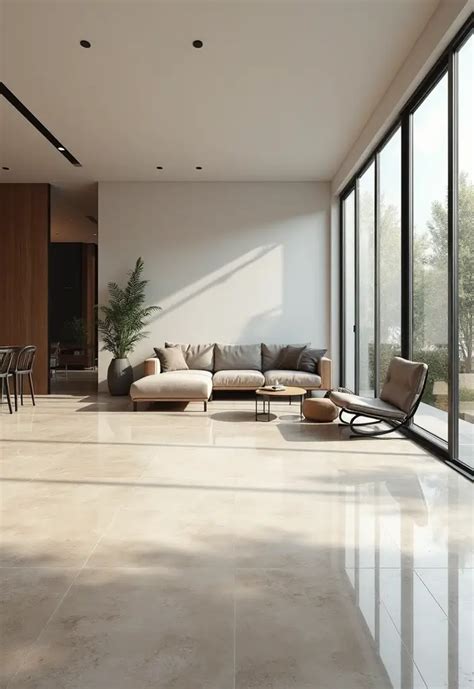
Laying large-format gray floor tiles across open-concept living rooms and entryways creates an immediate sense of expansiveness and modern luxury. Large porcelain slabs minimize grout lines, resulting in a seamless visual plane that makes smaller rooms feel noticeably larger. In bustling entryways, durable charcoal or medium-ash tiles hide everyday dust and moisture while establishing a sophisticated tone right as guests walk through the front door.
To prevent extensive stone or porcelain flooring from feeling austere, pair the installation with tactile, organic elements. Warm wood furniture, woven jute rugs, and plush upholstered seating introduce necessary warmth and texture. Additionally, incorporating brass or matte black hardware accents against gray flooring draws the eye upward and completes a polished, layered interior scheme.
Refining the Culinary Space: Kitchen Backsplashes and Floors
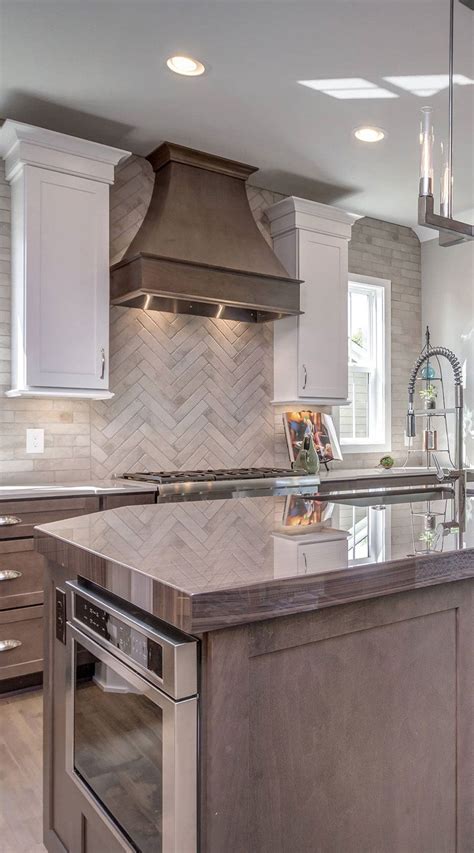
The kitchen is the heart of the home, and incorporating gray tile designs here can instantly modernize dated cabinetry and countertops. A herringbone patterned gray marble backsplash adds subtle movement and timeless elegance behind a range hood, catching natural morning light without overwhelming the room. Meanwhile, durable matte gray ceramic floor tiles provide a resilient, easy-to-clean surface that withstands daily cooking activity.
When selecting kitchen tiles, consider how the finish interacts with your existing lighting setup. Glossy glass or ceramic tiles reflect light beautifully in compact kitchens with limited windows, making the cooking zone feel brighter. In contrast, matte porcelain floor tiles offer superior slip resistance and a grounded, tactile foundation that anchors sleek modern cabinetry and metallic fixtures.
Creating a Spa-Like Sanctuary: Bathroom Gray Tile Concepts
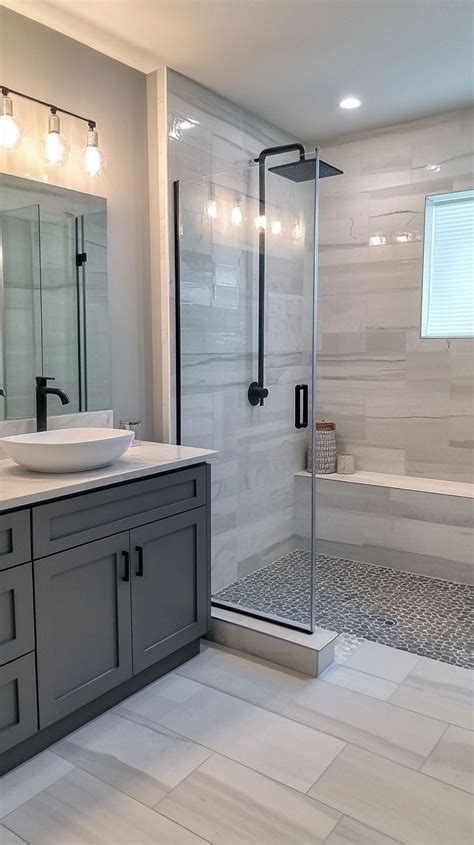
Bathrooms naturally lend themselves to tile applications, and gray offers a tranquil palette reminiscent of natural stone and coastal cliffs. Wrapping a walk-in shower in large-scale gray concrete-look tiles creates an immersive, spa-like environment. Pairing these large tiles with contrasting pebble mosaic shower floors introduces a wonderful tactile element underfoot while improving drainage.
For powder rooms or smaller guest baths, patterned cement-style gray tiles deliver striking geometric interest without requiring bold, saturated colors. These patterned tiles work exceptionally well when contrasted against minimalist floating vanities and frameless mirrors, ensuring the overall design remains balanced, chic, and easy to update with seasonal accessories.
Mixing Finishes and Undertones for Depth
The secret to mastering gray tile designs lies in avoiding a monotonous single-note look. Mixing different finishes—such as pairing smooth polished tiles on a feature wall with textured matte tiles on the floor—adds sophisticated depth to any room. Furthermore, paying close attention to grout color can dramatically alter the final geometric presentation, whether you choose a matching grout for seamless blending or a contrasting dark grout to emphasize individual tile shapes.
Ultimately, successfully incorporating gray tiles into your home architecture relies on understanding how natural and artificial light shift throughout the day. By carefully evaluating samples in your specific space before committing to a full installation, you can build a refined, elegant interior that stands the test of time.
Frequently Asked Questions
How do I keep gray tiles from making a room look cold?
You can easily warm up gray tiles by introducing natural wood tones, plush textiles like wool rugs and heavy drapery, and warm metallic accents such as brushed brass or copper lighting fixtures.
Are matte or glossy gray tiles better for high-traffic floors?
Matte gray tiles are generally preferred for high-traffic floors because they offer better slip resistance and are less likely to show minor scratches, smudges, or water spots compared to high-gloss finishes.
What wall colors pair best with gray tile designs?
Soft off-whites, warm beiges, muted sages, and rich charcoal tones all pair exceptionally well with gray tiles, depending on whether you want a high-contrast or monochromatic scheme.


