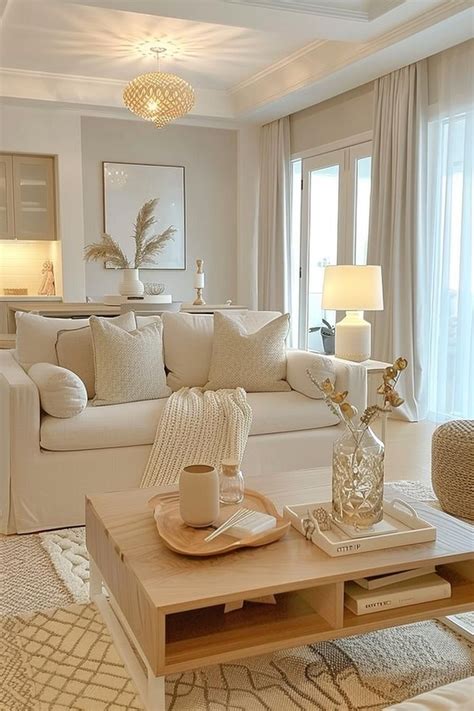
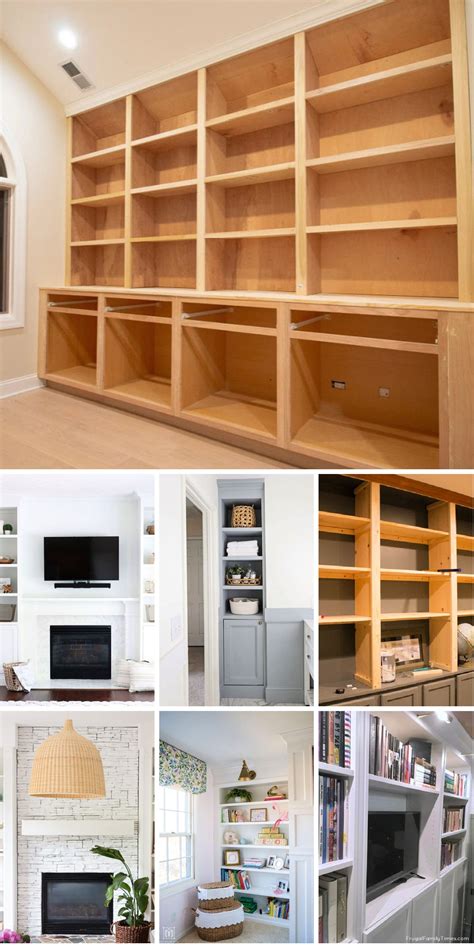
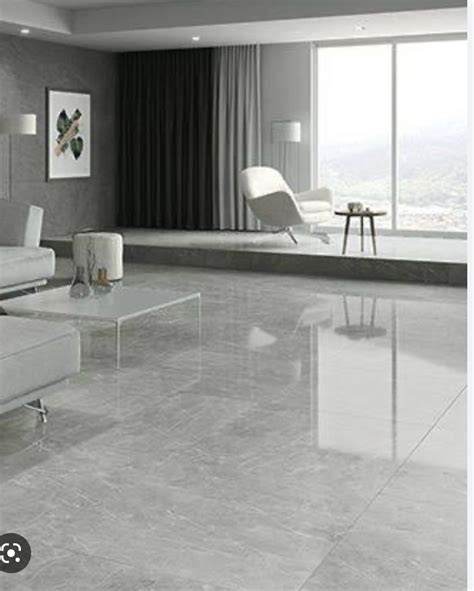
Embracing minimalist living room designs is less about stripping a space down to bare walls and more about curating an environment that promotes calm, clarity, and intentional living. In typical American homes—ranging from compact urban apartments to sprawling suburban houses—minimalism serves as a practical antidote to daily visual clutter. When you pare back excess ornamentation, every single piece of furniture, color choice, and lighting fixture is given room to breathe, creating a balanced space that feels both sophisticated and deeply relaxing.
Achieving this aesthetic requires thoughtful spatial planning and an understanding of scale. Rather than relying on generic formulas, successful minimalist design adapts to how you actually live in your home. Whether you are aiming to refresh a rental unit with temporary updates or embarking on a complete layout redesign for a permanent residence, focusing on quality craftsmanship, clean lines, and tactile warmth will keep your living area from feeling cold or uninviting.
Defining Modern Minimalism for American Living Spaces
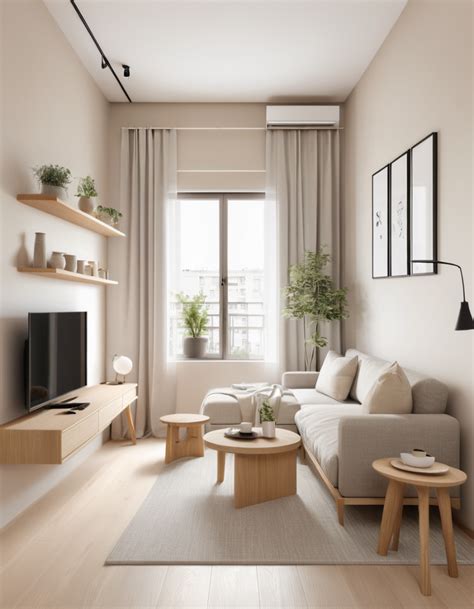
Modern minimalism in the United States has evolved significantly from the stark, industrial white boxes of past decades. Today’s approach emphasizes livable comfort, organic textures, and functional elegance. This design philosophy recognizes that a living room is a multi-purpose zone used for relaxing after work, hosting friends, and sometimes working from home. By prioritizing essential elements and eliminating unnecessary knick-knacks, homeowners can create structured environments that support daily routines.
When planning a minimalist interior, start by evaluating your room’s natural architectural features. If your home has large windows, high ceilings, or exposed beams, let those elements take center stage rather than masking them with heavy drapery or bulky furniture. The goal is to establish an effortless flow of movement and light across the floor plan, making even modest suburban living rooms feel expansive and airy.
Neutral Color Palettes and Monochromatic Schemes (Designs 1–8)
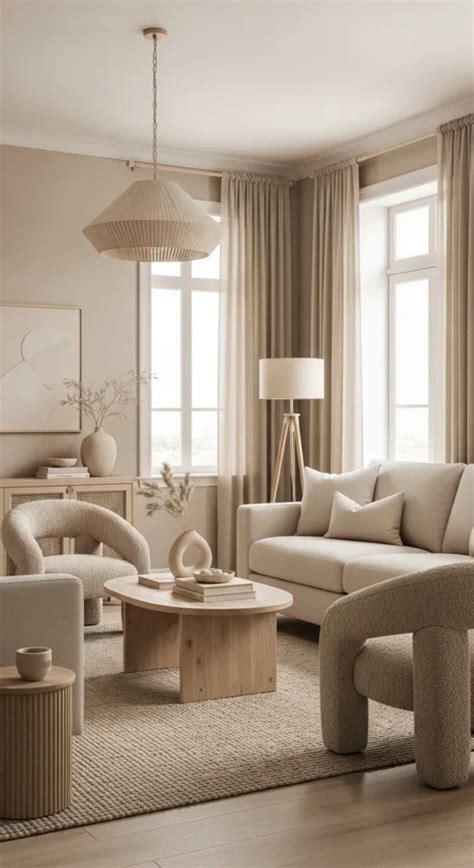
A cohesive color palette forms the foundation of any successful minimalist space. Exploring the first eight design directions reveals the power of soft neutrals, warm beiges, muted grays, and rich monochromatic layering. Instead of relying on stark white, many American homeowners opt for earthy tones like warm plaster, pale stone, and soft taupe to cultivate a welcoming atmosphere that catches natural daylight beautifully.
Monochromatic styling does not mean a room has to feel flat or uninspired. By varying textures within the same color family—such as pairing a smooth linen sofa with a boucle armchair and a brushed oak coffee table—you introduce subtle depth. This approach creates visual interest without introducing chaotic patterns or competing hues that disrupt the room’s overall tranquility.
Functional Furniture and Multi-Purpose Layouts (Designs 9–16)
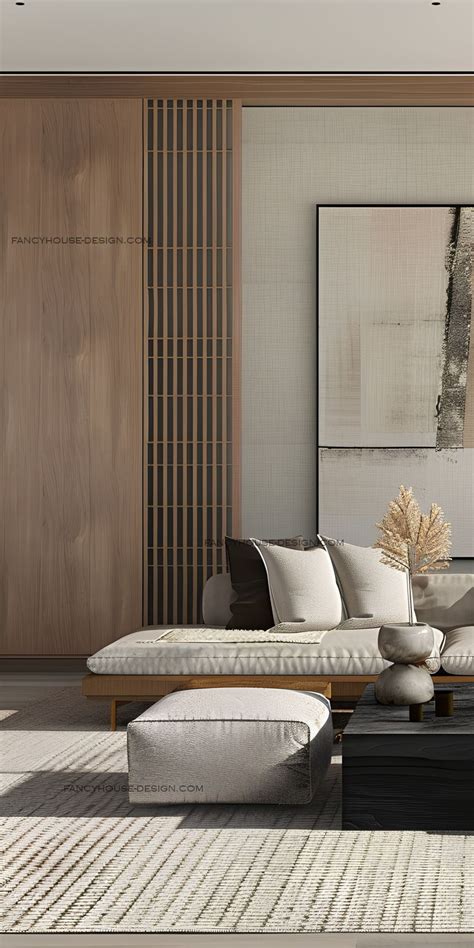
Furniture selection in a minimalist living room must balance aesthetic appeal with practical utility. Designs nine through sixteen focus on streamlined silhouettes, hidden storage, and multi-purpose pieces that keep floor areas clear of clutter. Low-profile sofas, floating media consoles, and nesting tables are popular choices because they maintain an open sightline across the room.
In many U.S. apartments and open-concept homes, the living room also serves as a dining or office extension. Choosing furniture with clean geometric lines ensures that even larger pieces, such as a deep-seating sectional or a solid wood credenza, do not visually overwhelm the square footage. Prioritize durability and timeless design over trendy silhouettes to ensure your investment stands the test of time.
Maximizing Natural Light and Open-Concept Flow (Designs 17–22)
Light is perhaps the most crucial element in minimalist interior architecture. Design directions seventeen to twenty-two highlight strategies for maximizing natural illumination, utilizing sheer window treatments, and positioning mirrors to bounce daylight deep into the interior. In suburban homes with traditional compartmentalized layouts, removing non-structural partition walls can instantly create a unified, light-filled environment.
Artificial lighting should also be carefully curated to enhance the room’s mood after sunset. Layered lighting—combining recessed architectural lights, sleek floor lamps, and understated wall sconces—replaces harsh overhead fixtures with a warm, ambient glow. Keeping light fixtures themselves sculptural and unobtrusive ensures they contribute to the minimalist aesthetic even when turned off.
Minimalist Decor, Texture Layering, and Statement Art (Designs 23–30+)

Minimalism leaves room for personality through carefully curated decor. The final group of designs explores the impact of texture layering and singular statement art pieces. Rather than displaying dozens of small accessories, a minimalist living room benefits from the “less is more” philosophy: one large, expressive canvas or a single oversized ceramic vessel carries far more visual weight than a cluttered tabletop.
To prevent the space from feeling sterile, incorporate organic materials like jute rugs, raw travertine, unvarnished leather, and indoor greenery. These natural textures inject warmth and a lived-in feel, proving that minimalist design can be exceptionally cozy, comforting, and tailored to the rhythm of everyday American life.
Frequently Asked Questions
What defines an elegant minimalist living room?
An elegant minimalist living room is defined by clean lines, a restrained color palette, functional furniture, and a strong emphasis on open space and natural light. It eliminates visual clutter while prioritizing quality, craftsmanship, and tactile comfort over excessive decoration.
How can I make a small living room look minimalist without feeling cold?
You can warm up a small minimalist space by layering organic textures such as boucle, linen, warm woods, and wool rugs. Choosing warm neutral paint tones like soft beige or greige instead of stark white also prevents the room from feeling clinical or cold.
What color schemes work best for minimalist American homes?
Warm neutrals, monochromatic earth tones, and soft monochromatic palettes (such as variations of taupe, cream, and warm gray) work exceptionally well. These shades reflect natural daylight and create a soothing backdrop that complements various architectural styles.
How do I choose furniture that is both functional and minimalist?
Look for furniture with clean geometric lines, low-profile silhouettes, and built-in storage capabilities. Pieces like floating media units, nesting coffee tables, and sleek sofas keep floor space open and maintain an uncluttered aesthetic.