Transforming your main gathering space does not always require an expensive, wall-knocking renovation. Often, achieving a sophisticated and modern atmosphere is simply a matter of curating the right combination of textures, strategic lighting, cohesive color palettes, and thoughtfully scaled furniture silhouettes. Whether you own a spacious suburban home or rent a cozy urban apartment, current design trends offer versatile pathways to elevate your living environment.
To help you navigate the vast world of interior inspiration, we have gathered thirty distinct living room design directions. These concepts span various aesthetics—from warm modern organic spaces and dramatic moody rooms to clean Scandinavian minimalism and vibrant color-drenched environments—providing you with practical takeaways for every layout.
Modern Organic and Natural Texture Trends
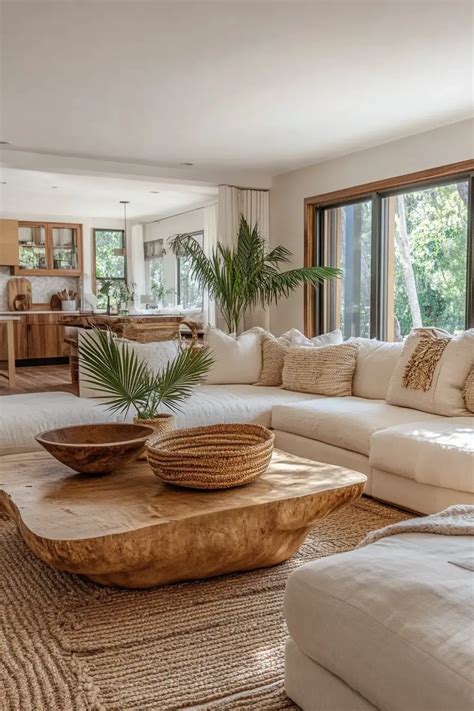
The modern organic movement continues to dominate contemporary interior design by blending clean, contemporary lines with earthy, raw materials. This aesthetic relies heavily on tactile surfaces such as travertine stone, unlacquered brass, rich oak, and tactile performance linens to create a grounded, welcoming environment.
- The Travertine Accent Aesthetic: Introduce low-profile coffee tables or sculptural side tables crafted from porous travertine to add organic weight and architectural interest without overwhelming the square footage.
- Warm Clay and Limestone Washes: Swap flat white wall paint for a subtle limewash or mineral paint finish that catches natural light and adds soft, chalky depth to the room.
- Curved Bouclé Seating: Integrate a soft-textured bouclé armchair or curved sofa to soften hard architectural angles and invite comfortable, relaxed lounging.
- Raw-Edged Timber Accents: Anchor your seating arrangement with a live-edge wooden accent stool or reclaimed timber console table to bring outdoorsy warmth inside.
- Woven Rattan and Cane Detailing: Choose media consoles or accent chairs featuring open cane webbing to maintain visual airiness in smaller spaces while adding textural layering.
Maximalist and Bold Color-Drenched Spaces
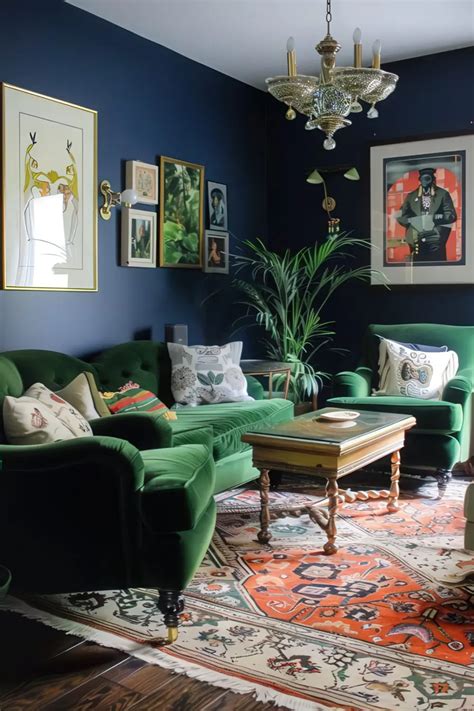
For those who prefer a vibrant, expressive home, maximalism and color drenching offer an opportunity to wrap a room in saturated tones. By painting the walls, trim, ceilings, and even doors in a single deep hue, you create an immersive sanctuary that feels both intentional and profoundly cozy.
- Monochromatic Jewel-Tone Drenching: Paint your living room walls, baseboards, and built-in shelving in a rich emerald green or deep sapphire to envelop the space in luxury.
- Eclectic Pattern Mixing: Layer contrasting textiles—such as geometric wool rugs, floral velvet throw pillows, and striped linen drapes—by maintaining a consistent overarching color palette.
- Maximalist Gallery Walls: Display a tightly edited collection of mixed-media art, vintage oil paintings, and modern photography in mismatched frames across an entire feature wall.
- Vintage Velvet Statement Upholstery: Invest in a vintage or reproduction camelback sofa upholstered in a bold mustard or rust velvet fabric to serve as an undeniable anchor piece.
- Layered Ambient Lighting: Illuminate dark, saturated walls with a combination of shaded floor lamps, picture lights, and dimmable wall sconces rather than relying on harsh overhead fixtures.
Minimalist and Scandinavian-Inspired Serenity
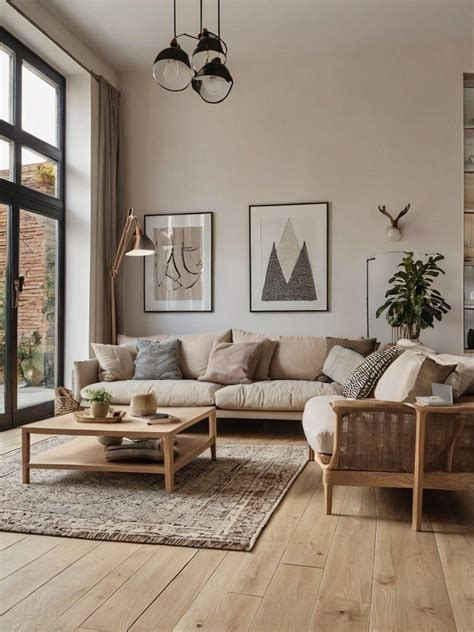
Scandinavian and minimalist design principles prioritize functional beauty, clutter-free surfaces, and an abundance of natural light. These spaces are designed to encourage mental clarity and relaxation through restrained color palettes and smart spatial planning.
- Light Ash Wood and White Oak: Build your furniture collection around pale, Scandinavian-inspired woods that reflect sunlight and keep compact rooms feeling open and airy.
- Hidden Storage Solutions: Utilize sleek, handleless media cabinets and built-in wall units to tuck away everyday clutter, maintaining pristine, uninterrupted sightlines.
- Monochromatic Neutral Layering: Combine shades of ivory, warm taupe, and soft gray using diverse textiles like heavy wool throws and linen upholstery to prevent neutral rooms from feeling sterile.
- Low-Profile Platform Seating: Choose floor-hugging sofas and minimalist sectionals that open up vertical wall space, making standard-height ceilings feel noticeably taller.
- Architectural Lighting Fixtures: Hang a sculptural, oversized paper lantern pendant or a sleek arched metal floor lamp to act as minimalist functional art.
Moody and Dramatic Dark-Toned Interiors

Embracing dark tones in a living room creates an intimate, sophisticated atmosphere that feels cocoon-like during evening hours. Contrary to common myths, deep colors can actually make small rooms feel larger by blurring the perimeter boundaries of the space.
- Charcoal and Black Charcoal Walls: Paint your walls in a matte charcoal or near-black shade to instantly elevate the room’s sophistication and make warm wood tones pop.
- High-Gloss Ceiling Contrast: Pair matte dark walls with a high-gloss black or deep plum ceiling to reflect ambient light and add unexpected architectural drama.
- Warm Metallic Accents: Introduce aged brass, copper, or antique bronze hardware, picture frames, and table lamps to warm up deep, dark surrounding paint colors.
- Leather and Heavy Hide Textures: Style your dark living room with distressed tobacco leather armchairs and cowhide accent rugs to introduce rugged, masculine texture.
- Moody Botanical Greenery: Accentuate dark corners with large potted plants featuring deep green foliage, such as a fiddle-leaf fig or rubber tree, to add organic life.
Renter-Friendly and Budget-Conscious Updates
You do not need a massive remodeling budget or property ownership to achieve a high-end living room design. Strategic styling tricks and temporary updates allow renters to completely transform their environment safely and affordably.
- Peel-and-Stick Architectural Molding: Apply lightweight, paintable polyurethane picture-frame molding to plain rental walls using removable mounting tape for instant custom character.
- Statement Area Rug Layering: Place a large, neutral jute rug as a base and layer a smaller, patterned vintage runner or kilim on top to define conversational zones.
- Plug-In Wall Sconces: Avoid electrical wiring by installing stylish plug-in swing-arm wall sconces flanking your sofa for sophisticated task lighting without wall damage.
- Swappable Hardware Details: Upgrade basic rental media cabinets or console tables by replacing standard knobs and pulls with high-end solid brass or matte black hardware.
- Oversized Affordable Art Prints: Purchase large digital art downloads and have them printed cheaply at local print shops, framing them in sleek aluminum frames for dramatic impact.
Tactile Layering and Focal Point Strategies
Every well-designed living room requires a clear focal point and a careful balance of contrasting textures to prevent the room from feeling flat or purely staged. Creating intentional vignettes helps guide the eye naturally through the space.
- Textured Ceramic and Stone Vases: Style your coffee table or bookshelves with heavy ceramic vessels featuring rough, tactile finishes rather than glossy, mass-produced decor.
- Asymmetrical Furniture Layouts: Float your sofa away from the walls and angle armchairs slightly inward to encourage conversation and improve overall room flow.
- Oversized Round Mirrors: Hang a large circular mirror opposite your primary light source to bounce natural sunlight deep into the room and expand visual depth.
- Curated Book Stacks and Objects: Arrange coffee table books both horizontally and vertically, topping them with decorative bowls, natural crystals, or sculptural candleholders.
- Integrated Smart Lighting Zones: Program smart bulbs to shift color temperatures throughout the day, ensuring your living room transitions seamlessly from bright daytime functionality to cozy evening relaxation.
Implementing these thirty design strategies requires no single prescribed formula; instead, they serve as a versatile toolkit for crafting a space that reflects your personal style. By mixing natural textures, thoughtful lighting, and comfortable silhouettes, you can create a living room that is both undeniably trendy and deeply livable for years to come.
Frequently Asked Questions
How can I make a small living room look bigger using design trends?
To maximize a compact living room, focus on low-profile furniture that keeps sightlines open, use large mirrors to reflect natural light, and stick to a cohesive, lighter neutral color palette. Utilizing multi-functional pieces, such as storage ottomans, also helps eliminate visual clutter.
What is the easiest way to update a living room on a tight budget?
The most cost-effective updates include swapping out throw pillow covers, layering a new area rug, adding peel-and-stick wallpaper or wall molding, and upgrading small cabinet hardware. Lighting adjustments, such as using warm-toned bulbs and plug-in sconces, also make a dramatic impact.
Can I mix different design styles in my living room?
Yes, mixing styles—often called eclectic design—creates a more curated, personal home. The secret to success is maintaining a consistent color palette or a unifying anchor element, such as wood tone or metal finish, to tie contrasting pieces together harmoniously.


