Blank living room walls often present a design dilemma for homeowners and renters alike. Whether you are working with the expansive vaulted ceilings of a suburban split-level or the compact footprint of an urban apartment, bare vertical surfaces can make a room feel unfinished. Refreshing your walls does not always require a complete architectural overhaul or an unlimited budget. Thoughtful curation, strategic scale, and creative use of texture can instantly shift the atmosphere of your main gathering space.
To help you navigate the vast array of design options available today, we have organized thirty-two distinct wall decor strategies into practical categories. These approaches accommodate different architectural styles, lease agreements, and personal aesthetics found across U.S. households, ensuring you find solutions that suit your specific living environment.
Large-Scale Statement Art and Gallery Walls
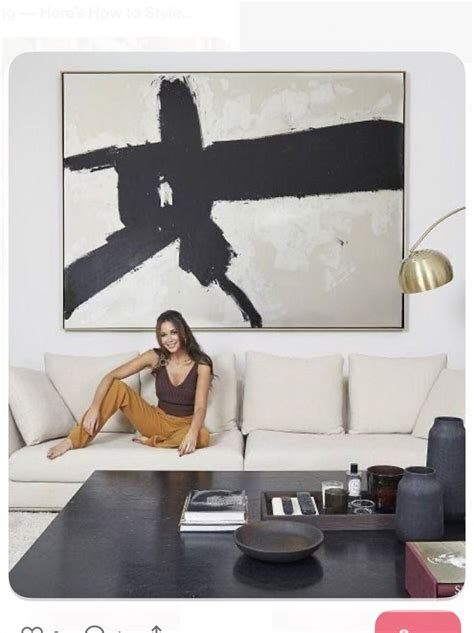
When dealing with a vast expanse of drywall behind a primary sofa, small decorative items often look lost and disjointed. Opting for large-scale statements or meticulously planned gallery arrangements establishes an immediate focal point that anchors the entire room layout.

A single oversized canvas can anchor an expansive living room wall without visual clutter. When selecting oversized art, aim for a piece that spans roughly two-thirds to three-quarters the width of the furniture piece sitting directly beneath it. This proportion maintains visual balance and keeps the room feeling grounded rather than top-heavy.
- Oversized Abstract Canvas: Choose a monochromatic or muted color palette to introduce modern sophistication without overwhelming existing furnishings.
- Asymmetrical Gallery Wall: Combine family photographs, vintage prints, and architectural sketches using consistent frame finishes for a cohesive yet curated look.
- Grid-Style Photo Display: Hang nine identical frames in a strict three-by-three grid to bring architectural symmetry and modern structure to a blank wall.
- Oversized Framed Textile: Stretch a vintage kantha quilt, patterned linen, or woven fabric over a wooden frame to introduce soft color and tactile depth.
- Oversized Engineering Prints: Print out large-scale black-and-white architectural blueprints or minimalist line drawings for an impactful, low-cost statement piece.
- Triptych Art Panels: Divide a single large photograph or painting across three vertical panels to create rhythm and directional flow across wide walls.
- Framed Pressed Botanicals: Collect large botanical pressings and frame them in slim brass or black metal frames for a sophisticated, natural focal point.
Architectural Wall Treatments and Woodwork
Adding architectural dimension to flat drywall is one of the most effective ways to introduce character and historical charm into newer American construction. These treatments alter the physical profile of the room and often eliminate the need for excessive hanging art.
Board and batten paneling brings instant texture and traditional American craftsmanship to standard living room walls. By installing vertical wood boards over flat drywall and capping them with a small display ledge, you create an intentional backdrop that pairs exceptionally well with both transitional and modern farmhouse furnishings.
- Classic Board and Batten: Install vertical wooden slats up to standard chair-rail height or extend them two-thirds up the wall to alter perceived ceiling height.
- Modern Vertical Wood Slat Accent Wall: Mount stained oak or walnut slats directly onto a dark painted wall behind your media console or main seating area for organic warmth.
- Traditional Picture-Frame Wainscoting: Apply lightweight trim moldings directly onto the lower half of your walls to add classic elegance and tailored structure.
- Shiplap or Tongue-and-Groove Paneling: Cover an accent wall horizontally to create a relaxed, casual coastal or modern rustic atmosphere.
- Geometric MDF Wall Molding: Design a bespoke geometric pattern using medium-density fiberboard strips, then paint the entire wall in a single moody hue for drama.
- Exposed Brick Veneer: Apply thin brick tiles to a feature wall to introduce industrial character and raw tactile contrast to smooth drywall surfaces.
- Fluted Wood Panel Panels: Utilize modern prefabricated fluted wood panels to add subtle, contemporary texture behind floating shelving units.
Functional Storage and Display Solutions
Wall decor should seamlessly blend aesthetics with utility, especially in homes where maximizing floor space is a priority. Incorporating functional shelving and display systems allows you to showcase personal collections while keeping everyday items organized.
Floating wood shelves provide a versatile platform for displaying rotating seasonal decor, framed art, and cherished books. To style these shelves like an interior designer, group objects in odd numbers, mix vertical elements like vases with horizontal items like stacked books, and leave some negative space to prevent visual overcrowding.
- Floating Wooden Ledges: Create a dynamic display plane for leaning picture frames, sculptural objects, and small trailing plants without taking up floor area.
- Built-In Open Bookshelves: Frame your fireplace or TV media center with floor-to-ceiling built-ins to introduce architectural gravitas and functional storage.
- Pegboard Wall Organization: Install a custom wooden pegboard system to mount small shelves, hanging baskets, and decorative task lighting flexibly.
- Concealed Wall Cabinets: Mount sleek, handle-free upper cabinets to hide electronics and clutter while maintaining a clean, minimalist aesthetic.
- Wall-Mounted Magazine Racks: Hang leather or brass magazine slings to display current reading material as a colorful, accessible graphic element.
- Bracketed Industrial Shelving: Combine reclaimed wood planks with black iron pipes to bring industrial strength and utilitarian style to blank living room corners.
Textural and Organic Wall Elements
Balancing hard surfaces like televisions, glass windows, and drywall requires introducing soft, organic textures. Textiles and natural elements warm up a living room instantly, softening acoustics and creating a cozy, welcoming ambiance.
Woven wall hangings crafted from natural fibers like wool, jute, or cotton introduce artisanal craft and tactile warmth. These pieces perform double duty by absorbing sound waves, making them particularly useful in open-concept living rooms with hard flooring surfaces like hardwood or tile.
- Large Woven Tapestry: Hang a textile piece featuring earthy tones or geometric patterns to anchor a seating area with soft acoustic qualities.
- Macrame Plant Hangers: Suspend trailing houseplants from decorative wooden wall brackets to bring living greenery and organic movement into vertical spaces.
- Javanesse or Rattan Wall Baskets: Create a curated wall collage using woven baskets of varying diameters and depths for a collected-over-time look.
- Live Moss Wall Art: Install preserved, maintenance-free moss panels within minimalist frames to incorporate biophilic design without watering requirements.
- Felt Acoustic Wall Panels: Use modern sound-absorbing felt tiles cut into geometric shapes to manage room acoustics with a clean, architectural finish.
- Leather Sling Wall Pockets: Mount vegetable-tanned leather pockets to hold mail, notepads, or small decorative dried floral stems near a reading nook.
Mirrors and Reflective Surfaces for Light and Scale
Mirrors are a designer’s best tool for multiplying natural light and making compact U.S. living rooms feel significantly more expansive. Strategic placement can bounce sunlight deep into the room and open up confined architectural layouts.
An oversized arched mirror placed opposite a large living room window acts as an extra window, instantly doubling the light entering the space. When hanging heavy mirrors, always anchor directly into wall studs or utilize heavy-duty drywall toggle bolts rated for the exact weight of the frame.
- Oversized Arched Floor Mirror: Lean a tall, arched metal-framed mirror against a blank wall to create an illusion of doubled room depth and ceiling height.
- Sunburst Brass Mirror: Hang a sculptural, mid-century-inspired sunburst mirror to serve as a metallic focal point above a living room console table.
- Multi-Panel Window Pane Mirror: Install a large mirror designed to mimic traditional grid window panes to bring industrial style and panoramic light reflection.
- Asymmetrical Organic Mirror: Choose a frameless mirror featuring a freeform, liquid-like curve to introduce modern, avant-garde energy to minimalist walls.
- Mirrored Wall Tiles: Apply antiqued mirrored tiles to a narrow column or alcove to maximize ambient lighting without overwhelming the main seating zone.
Transforming your living room walls is an iterative process that relies on balancing scale, texture, and personal utility. Whether you choose to install permanent architectural woodwork or utilize renter-friendly adhesive hanging systems, focusing on thoughtful curation will ensure your walls reflect your lifestyle and elevate your entire home.
Frequently Asked Questions
How can I decorate a large living room wall without spending a fortune?
Focus on high-impact, budget-friendly solutions like engineering prints, curated groupings of thrifted frames, woven baskets, or DIY board and batten treatments using affordable MDF boards. These options fill significant visual space at a fraction of the cost of custom art.
What are renter-friendly ways to elevate living room walls without damaging drywall?
Renters can use heavy-duty adhesive velcro strips, picture-hanging wire systems attached to picture rails, leaning oversized mirrors against walls, or tension-mounted shelving units that require zero hardware or drilling into the drywall.
How do I choose the right size art for a living room wall?
As a general rule of thumb, artwork or gallery arrangements hung above a sofa should span roughly two-thirds to three-quarters of the total width of the furniture piece beneath it to maintain balanced visual proportions.
How high should I hang artwork on a living room wall?
The standard interior design guideline is to center artwork at approximately 57 to 60 inches from the floor, which aligns roughly with standard average human eye-level. If hanging art above furniture, keep the bottom edge about 6 to 8 inches above the top of the sofa back.