Refreshing a living room often starts with understanding how the space serves daily routines, family gatherings, and personal style. Across U.S. households, living rooms range from compact urban apartments to sprawling suburban open-concept layouts. Crafting a cohesive environment requires balancing visual appeal with everyday durability, ensuring the room feels welcoming rather than rigid. Exploring a diverse range of aesthetics helps homeowners and renters pinpoint what truly resonates with their lifestyle.
Bringing fresh energy into a main living area does not always demand a total structural renovation. Strategic updates—such as reconfiguring furniture placement, layering textiles, updating lighting fixtures, or introducing a curated color palette—can completely transform the atmosphere. By looking closely at 35 distinct living room concepts, design enthusiasts can gather practical inspiration to tailor their own spaces for maximum comfort and timeless style.
Embracing Organic Modern and Minimalist Living Rooms

The organic modern aesthetic remains a favorite across American homes due to its calming balance of clean architectural lines and warm, natural elements. This style prioritizes uncluttered layouts, allowing high-quality materials like travertine stone, white oak, and brushed brass to shine. Neutral color palettes featuring soft creams, warm beiges, and muted taupes create an airy backdrop that maximizes natural sunlight coming through standard suburban windows.
To successfully execute this look without making the room feel sterile, prioritize tactile variety through heavy linen drapery, boucle accent chairs, and handcrafted ceramic decor. Rugs woven from natural fibers like jute or wool anchor the seating arrangement, while low-profile sectional sofas encourage relaxed conversation. Keeping surfaces relatively clear of small trinkets lets the architectural proportions of the room remain the primary focus.
The Power of Subdued Earth Tones
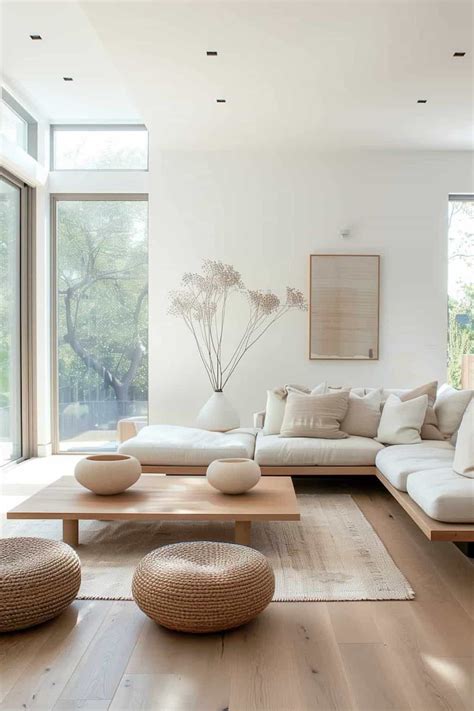
Shifting away from stark, clinical whites, current interior styling leans heavily into grounding earth tones that evoke a sense of sanctuary. Olive greens, terracotta accents, and warm clay hues add depth to neutral walls without overwhelming the visual space. These colors adapt effortlessly to changing natural light throughout the day, making them ideal for both sun-drenched coastal properties and cozy northern dwellings.
Functional Minimalism for Everyday Living
True minimalism in a family home must account for real-world storage needs and daily traffic patterns. Incorporating concealed cabinetry, media consoles with sliding slat doors, and dual-purpose furniture keeps clutter out of sight. This approach ensures the living room remains an inviting retreat rather than a chaotic catch-all zone for everyday items.
Cozy Rustic, Transitional, and Farmhouse Aesthetics
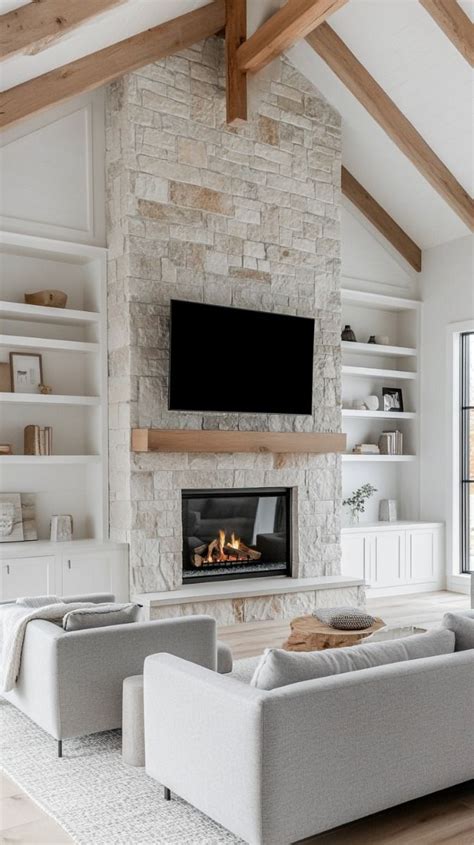
For those drawn to warmth, history, and nostalgic comfort, rustic and modern farmhouse living rooms offer an enduring appeal. Reclaimed wood ceiling beams, shiplap accent walls, and distressed leather armchairs establish a lived-in character that feels instantly welcoming. Transitional design bridges the gap between traditional and contemporary by pairing classic rolled-arm sofas with sleek, modern lighting and minimalist art prints.
Balancing heavy rustic elements requires careful attention to scale and lighting. Pairing a substantial stone fireplace surround with a light-colored sectional prevents the room from feeling heavy or dark. Incorporating wrought iron hardware, vintage wool rugs, and organic cotton throw blankets adds layers of texture that soften the robust architectural bones typical of traditional American architecture.
Layering Textiles for Maximum Coziness
Creating an inviting atmosphere relies heavily on mixing various tactile surfaces throughout the seating area. Pairing smooth leather with chunky knit throws and patterned lumbar pillows introduces immediate visual depth. Layering a vintage-style oriental rug over a neutral sisal base rug further defines the conversation zone while adding warmth underfoot.
Integrating Vintage and Contemporary Pieces
A curated look often relies on juxtaposing antique wooden coffee tables with streamlined, modern upholstery. This thoughtful contrast prevents a rustic room from looking like a themed movie set, infusing the space with genuine personality and a collected-over-time aesthetic that feels authentic and deeply personal.
Bold Maximalism and Expressive Color Palettes
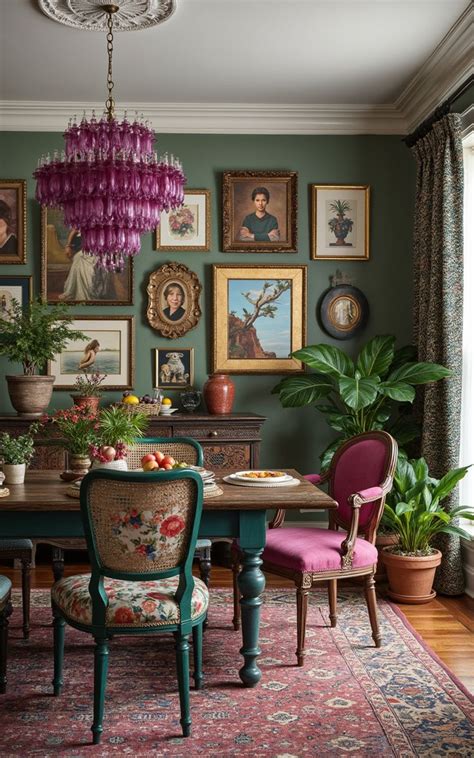
While neutral palettes dominate many design blogs, a vibrant counter-movement celebrates bold maximalism, saturated jewel tones, and eclectic art displays. Homeowners looking to inject energy into their living rooms are embracing emerald greens, deep navy blues, and rich mustard yellows on both walls and statement furniture pieces. Gallery walls filled with diverse frames and personal photography turn a blank perimeter into an engaging visual narrative.
Managing a maximalist room successfully requires a unifying element, such as consistent wood finishes, repeating accent colors, or cohesive metal hardware. When walls feature patterned botanical wallpaper or dramatic paint colors, grounding the floor with a simpler neutral rug prevents sensory overload. Balancing high-energy patterns with solid-colored velvet upholstery keeps the space sophisticated rather than chaotic.
Curating a Purposeful Gallery Wall
Arranging a collection of art requires careful planning to avoid visual clutter. Laying out frames on the floor first helps test different spatial relationships before hammering nails into drywall. Mixing vertical and horizontal orientations alongside varied frame styles creates an organic, curated collection that draws the eye upward.
Using Jewel Tones Without Overwhelming the Space
Saturated colors work best when balanced with ample natural light and reflective surfaces, such as polished brass floor lamps or large arched mirrors. Introducing jewel tones through statement velvet sofas or oversized abstract canvas art delivers a dramatic punch without shrinking the perceived dimensions of the room.
Optimizing Small Living Rooms and Urban Apartments
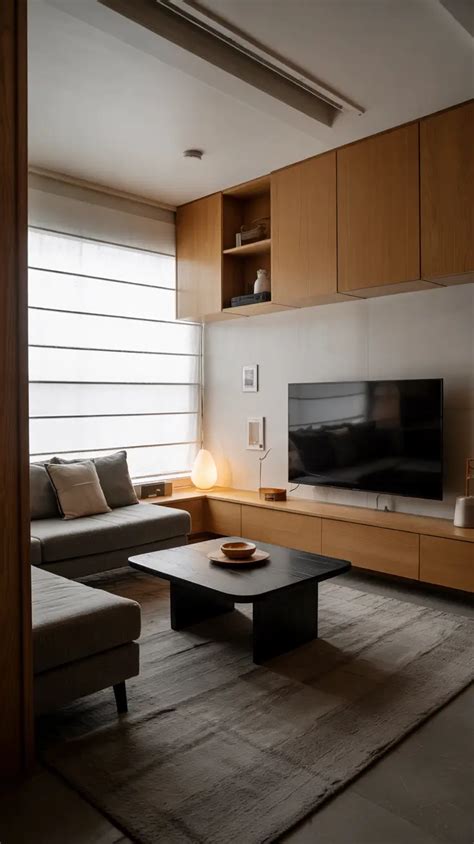
Compact living spaces require smart layout strategies to maximize both square footage and daily functionality. In smaller urban apartments or cozy bungalow living rooms, every piece of furniture must earn its place. Floating media consoles, leggy mid-century modern sofas, and glass-topped coffee tables create a sense of unobstructed floor space, making modest rooms feel significantly larger and more breathable.
Strategic lighting placement plays a crucial role in expanding compact spaces. Replacing bulky floor lamps with sleek wall-sconces frees up valuable floor area while washing vertical walls with warm illumination. Hanging window treatments high and wide near the ceiling line draws the eye upward, accentuating vertical proportions and maximizing the impact of natural daylight.
Multi-Functional Furniture Solutions
Investing in ottomans with hidden storage, nesting coffee tables, and modular sectionals allows small living rooms to adapt quickly to changing needs. These flexible pieces provide extra seating or surface area when hosting guests, then tuck away neatly during daily routines to maintain clear walking pathways.
Strategic Mirror Placement
Hanging a large mirror opposite a primary window acts as an architectural window, bouncing natural light into darker corners of the room. Choosing minimalist thin-metal frames or antique distressed finishes adds character while instantly doubling the visual depth of a cramped suburban living room or city apartment.
Frequently Asked Questions
What are the top living room design trends for U.S. homes?
Current U.S. living room trends focus on organic modern aesthetics, warm earth tones, tactile layering with natural fibers, and multi-functional layouts tailored to flexible family living.
How can I make a small living room look bigger?
To make a small room feel larger, use leggy furniture that exposes floor space, hang drapery high near the ceiling, incorporate large mirrors, and keep clutter contained with hidden storage solutions.
How do I choose a cohesive color palette for my living room?
Start with a neutral base for large investment pieces like sofas and walls, then introduce two or three accent colors through smaller decor items, throw pillows, and art.
How do I mix different furniture styles without cluttering the room?
Blend styles successfully by maintaining a consistent color family, repeating a specific material or metal finish, and balancing heavy statement items with streamlined, lightweight pieces.


