Designing a compact living room often feels like solving an intricate puzzle. Every square inch matters, and a single poorly chosen piece of furniture can throw off the balance of the entire space. However, having a modest footprint does not mean you have to compromise on style, comfort, or personality. By applying clever interior design principles, you can easily turn a cramped area into an inviting, highly functional sanctuary.
Whether you are decorating a downtown apartment or a cozy suburban starter home, the secret lies in strategic editing and optical refinement. The following comprehensive collection of 46 interior design strategies covers everything from lighting illusions and color theory to multi-functional furniture and vertical organization. These practical tips help you navigate the unique challenges of small-scale living without requiring a major architectural overhaul.
Optical Illusions and Lighting Hacks

When square footage is strictly limited, manipulating how the human eye perceives space is one of the most powerful tools in your design arsenal. Light, reflection, and scale play massive roles in making a room feel expansive rather than enclosed. Instead of fighting your room’s physical dimensions, you can use clever visual tricks to stretch the boundaries of the walls and lift the ceiling height.
Incorporating these lighting and optical strategies requires minimal financial investment yet delivers dramatic visual rewards. Renters and homeowners alike can implement these adjustments immediately to improve daytime brightness and evening ambiance, creating an airy atmosphere that feels welcoming from the moment you step inside.
1. Hang Mirrors Strategically
Position a large, statement mirror directly opposite your primary light source, such as a window or a French door. This reflects natural daylight deeper into the room while instantly doubling the perceived depth of the space.
2. Choose Low-Profile Seating
Select sofas and armchairs with clean lines and low backs. This preserves your line of sight across the entire room, preventing heavy furniture pieces from interrupting the flow of natural light.
3. Layer Your Lighting Sources
Avoid relying solely on a single overhead flush-mount fixture, which creates harsh shadows. Combine floor lamps, table lamps, and wall sconces at varying heights to illuminate dark corners and visually expand the room’s boundaries.
4. Embrace Vertical Stripes
Incorporate vertical elements through floor-to-ceiling curtain panels or subtle wall treatments. Drawing the eye upward creates the psychological impression of higher ceilings and a more voluminous interior.
5. Opt for Glass and Acrylic Furniture
Use clear ghost chairs, glass-topped coffee tables, or lucite side tables. Because light passes straight through transparent surfaces, they occupy physical space while taking up zero visual real estate.
6. Hang Curtains High and Wide
Mount your curtain rods several inches above the window frame and extend them past the window trim on both sides. This exposes more glass pane to the sun and makes your windows appear much larger than they actually are.
7. Keep Floors Clear
Select furniture pieces that stand on slender, elevated legs rather than bulky furniture that sits flat on the floor. Seeing more flooring underneath your sofa or media console tricks the brain into registering a larger floor area.
Smart Furniture Selection and Layout
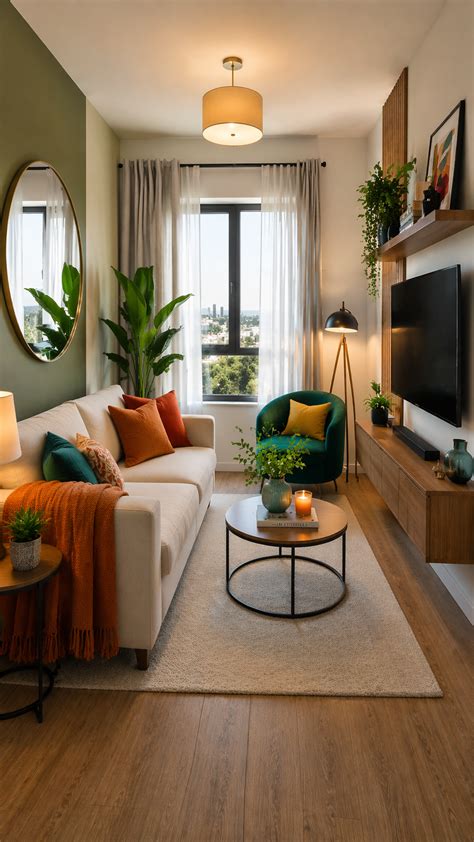
Furniture layout is often the biggest battleground in small living rooms. Traditional arrangements that push every sofa and chair flat against the perimeter walls often backfire, creating dead space in the middle and making the room feel awkward. The key is selecting pieces that work double duty and arranging them to foster comfortable conversation areas.
When shopping for compact living spaces, prioritize flexibility and scale. A streamlined furniture plan ensures effortless traffic flow, preventing daily frustration when moving between the kitchen, entryway, and seating zones.
8. Invest in Multi-Functional Ottomans
Choose upholstered storage ottomans that serve simultaneously as a footrest, extra seating for guests, and hidden storage for blankets, board games, or remote controls.
9. Float Your Furniture
Resist the urge to push all seating against the walls. Pulling your sofa away from the perimeter by even just a few inches creates breathing room and improves the overall room proportions.
10. Use Nesting Tables
Replace a massive, fixed coffee table with a set of stylish nesting tables. You can tuck them neatly underneath one another during the day and pull them apart when you need surface area for drinks or books.
11. Ditch Traditional End Tables for C-Tables
Slide a metal or wood C-table over the arm of your sofa. It provides a convenient surface for a laptop or coffee cup without crowding the floor space next to your seating.
12. Choose a Settee Instead of a Sectional
L-shaped sectionals can easily overwhelm modest rooms. A sleek settee paired with a matching accent chair offers ample seating while maintaining an open, adaptable layout.
13. Scale Down Your Coffee Table
Select a coffee table that is roughly two-thirds the length of your sofa. Avoid oversized statement tables that restrict movement and make navigating the room difficult.
14. Incorporate a Drop-Leaf Desk
If your living room also functions as a home office, install a wall-mounted drop-leaf desk. Fold it flat against the wall when your workday ends to reclaim your floor space entirely.
15. Prioritize Rounded Edges
Select oval or round coffee and side tables. Sharp corners can cause traffic bottlenecks in tight layouts, whereas curved silhouettes soften the room and make navigation much smoother.
Color Palettes and Wall Treatments
Color has a profound psychological impact on how we experience interior spaces. While brilliant white walls are a classic choice for reflecting light and creating an expansive feel, they are not the only option for compact rooms. Thoughtful color blocking, monochromatic schemes, and rich, saturated jewel tones can give small spaces an intimate, high-end designer atmosphere.
The secret is managing contrast and keeping visual clutter to a minimum. Whether you prefer crisp minimalism or cozy maximalism, your color choices should unify the room rather than chop it into disjointed fragments.
16. Paint Walls and Trim the Same Color
Drenching your walls, baseboards, and crown molding in the exact same hue blurs the boundaries of the room. This eliminates harsh lines and visually pushes the walls outward.
17. Embrace Warm Neutrals
If stark white feels too sterile for your personal taste, opt for soft warm grays, warm beiges, or gentle taupes. These shades bounce light around the room while wrapping the space in a comforting embrace.
Storage Solutions for Clutter Control
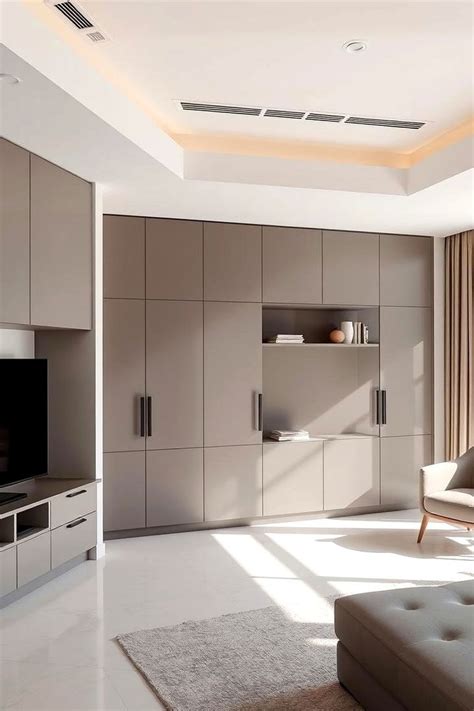
Clutter is the ultimate enemy of small-space living. When every surface is crowded with random items, a room instantly shrinks in visual appeal. Establishing intentional storage systems is essential for maintaining a calm, serene environment where you can actually relax at the end of the day.
Effective storage goes beyond simply stuffing items into closets. By utilizing vertical wall space and hidden compartments, you can keep everyday essentials easily accessible while keeping visual chaos entirely out of sight.
18. Build Floor-to-Ceiling Shelving
Maximize vertical wall space by installing custom or modular shelving units that extend all the way up to the ceiling. This draws the eye upward and provides massive storage capacity without claiming extra floor space.
19. Utilize the Back of Doors
Attach shallow over-the-door organizers to hall or living room closet doors. They provide incredible hidden storage for small accessories, extra cords, and household supplies.
20. Choose a Media Console with Closed Cabinets
Avoid open TV stands that expose tangled cords, gaming consoles, and routers. A sleek media cabinet with solid doors conceps visual noise and keeps the room looking tidy.
21. Hang Floating Shelves Above Doors
Install a single long floating shelf in the dead space above your living room doorway. It serves as an ideal spot to display books, decorative ceramics, or framed photographs.
22. Repurpose Baskets for Floor Storage
Tuck large woven seagrass or wire baskets beneath console tables or beside armchairs. They act as catch-alls for throw pillows, extra blankets, and children’s toys.
23. Opt for Built-in Window Benches
If your living room features a sunny window alcove, construct a built-in window seat with a lift-up lid. This creates a charming reading nook with substantial hidden storage underneath.
Styling and Decorating for Maximum Impact
Once your layout and storage are locked in, styling is where your personality truly shines. In a small living room, every decor item must earn its place. Adhering to the principle of quality over quantity ensures your styling feels curated and intentional rather than cluttered and frantic.
Thoughtful accessorizing adds warmth, texture, and visual interest without overwhelming the square footage. Small adjustments in how you display art, textiles, and greenery can completely transform the overall vibe of your retreat.
24. Hang One Oversized Piece of Art
Avoid creating a chaotic gallery wall of tiny frames in a compact space. Instead, hang a single, bold, oversized canvas that anchors the room and commands attention without causing visual fatigue.
25. Keep Window Treatments Minimal
Skip heavy, ornate drapery with blackout linings and multiple valances. Choose lightweight linen or sheer cotton panels that allow soft light to filter through gently.
26. Edit Your Accessories
Practice the rule of odd numbers when styling coffee tables and shelves. Group decorative items in clusters of three or five, leaving plenty of breathing room between vignettes.
27. Introduce Large-Scale Plants
It sounds counterintuitive, but a single tall fiddle-leaf fig or snake plant in a stylish ceramic pot actually makes a small room feel grander than a collection of tiny desktop succulents.
28. Layer Rugs for Texture
Place a smaller patterned vintage rug over a larger, neutral jute or sisal base rug. This adds cozy warmth and defines your seating zone without building physical walls.
29. Stick to a Cohesive Palette
Limit your accent colors to two or three complementary shades. A tightly edited color palette keeps small spaces feeling harmonious, unified, and peaceful.
30. Use Multi-Duty Lighting Fixtures
Install swing-arm wall sconces next to your sofa instead of table lamps. This frees up your end table surfaces completely while providing adjustable reading light.
31. Keep Pathways Wide Open
Ensure there is a clear, unhindered walking path from the entrance of the living room to seating areas and windows. Unobstructed movement is key to comfort.
32. Hang TV at Eye Level
Mount your television at a comfortable eye-level viewing height rather than forcing it too high up the wall, keeping the lower wall balanced and calm.
33. Choose Furniture with Exposed Legs
Select armchairs and sideboards that raise the body off the floor, allowing light and air to circulate freely throughout the entire room.
34. Incorporate Reflective Metallic Finishes
Add subtle touches of brass, brushed nickel, or antique gold through picture frames, hardware, or lighting to bounce subtle gleams of light around the room.
35. Use Slim-Profile Bookshelves
Swap bulky, deep bookcases for shallow, ladder-style shelves that lean against the wall, reducing the physical footprint while maintaining display space.
36. Opt for Pocket or Sliding Doors
If your living room connects directly to a kitchen or hallway, replace traditional swinging doors with sliding pocket doors to save valuable floor space.
37. Keep Scale in Mind for Lighting
Choose a semi-flush mount or a modest chandelier rather than an oversized pendant that dominates the ceiling space and weighs down the room.
38. Utilize Vertical Gallery Walls
If you love framed art, arrange a curated vertical gallery column that draws the eye upward rather than spreading small frames wide across the walls.
39. Swap Heavy Throws for Lightweight Knits
Style your seating with lightweight cotton or waffle-weave throws that add texture and comfort without looking bulky or overwhelming the sofa.
40. Anchor the Room with an Appropriately Sized Rug
Avoid tiny postage-stamp rugs that sit isolated in the center of the room. Ensure at least the front legs of your furniture rest comfortably on the rug.
41. Keep Surfaces Mostly Clear
Leave at least half of your coffee table and console surfaces completely bare. Negative space is a vital design element that prevents visual overload.
42. Use Monochrome Textures
Create visual depth within a single color family by mixing diverse tactile materials, such as bouclé, velvet, smooth leather, and raw wood.
43. Install Recessed Lighting
Replace bulky floor fixtures with sleek, dimmable LED recessed pot lights to illuminate the room evenly without occupying any physical or visual space.
44. Select Multitasking Media Consoles
Choose a credenza that serves as both your TV stand and extra dining room server or entryway drop zone if your floor plan is completely open-concept.
45. Embrace Minimalist Window Frames
Leave your windows completely bare if privacy permits, maximizing incoming natural light and framing outdoor views like living artwork.
46. Prioritize Comfort Above All
Remember that a stylish retreat ultimately exists to serve your daily life. Choose pieces that feel wonderful to sit on, relax with, and enjoy every single day.
Frequently Asked Questions
How can I make a small living room look bigger?
To make a small living room look bigger, maximize natural light by hanging sheer curtains, place large mirrors opposite windows to reflect light, choose furniture with exposed legs to show more flooring, and stick to a cohesive, light color palette that blurs boundary lines.
What kind of furniture works best in a tiny living space?
Multi-functional and low-profile furniture works best in tiny spaces. Look for storage ottomans, nesting tables, C-tables, slim-profile media consoles, and sofas with elevated legs that allow light to flow underneath, preventing the room from feeling overcrowded.
Should I push furniture against the walls in a small living room?
Not necessarily. While it seems counterintuitive, floating your furniture away from the walls by even a few inches creates breathing room, improves room proportions, and prevents a cramped, boxy feel.
What colors work best to paint a compact living room?
Warm neutrals, soft grays, and monochromatic warm tones work wonders in compact rooms. Painting your walls, baseboards, and trim the exact same color also helps eliminate harsh contrast and visually expands the space.


