Living in a compact US apartment often means making compromises on square footage, but your living room should never feel like a cave. When you are dealing with awkward architectural layouts, limited natural light, or a narrow footprint, traditional interior design rules often fall short. Making a small space feel remarkably open and airy is not about cramming less stuff into a corner; it is about strategic styling, clever optical illusions, and thoughtful spatial planning that maximizes every single inch.
Whether you are dealing with a strict landlord who prohibits painting or simply want to refresh your layout without buying an entirely new sofa, dozens of accessible strategies can immediately alter your room’s perception. Below is a comprehensive master list of fifty practical, renter-friendly, and design-forward methods to completely transform your apartment living room into a bright, breathable sanctuary.
Smart Furniture Selection and Layout Hacks
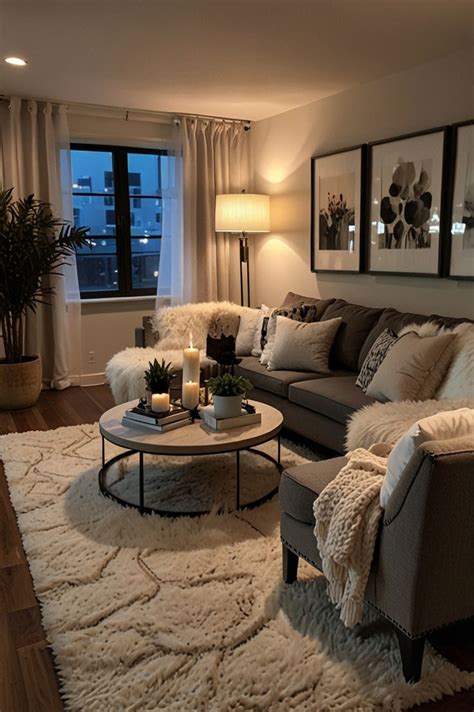
Choosing the right furniture and arranging it strategically is the foundation of any spacious-feeling living room. Bulky sectionals and heavy armoires can instantly swallow a room’s visual real estate. Instead, focus on silhouettes that allow light and air to pass around and underneath them.
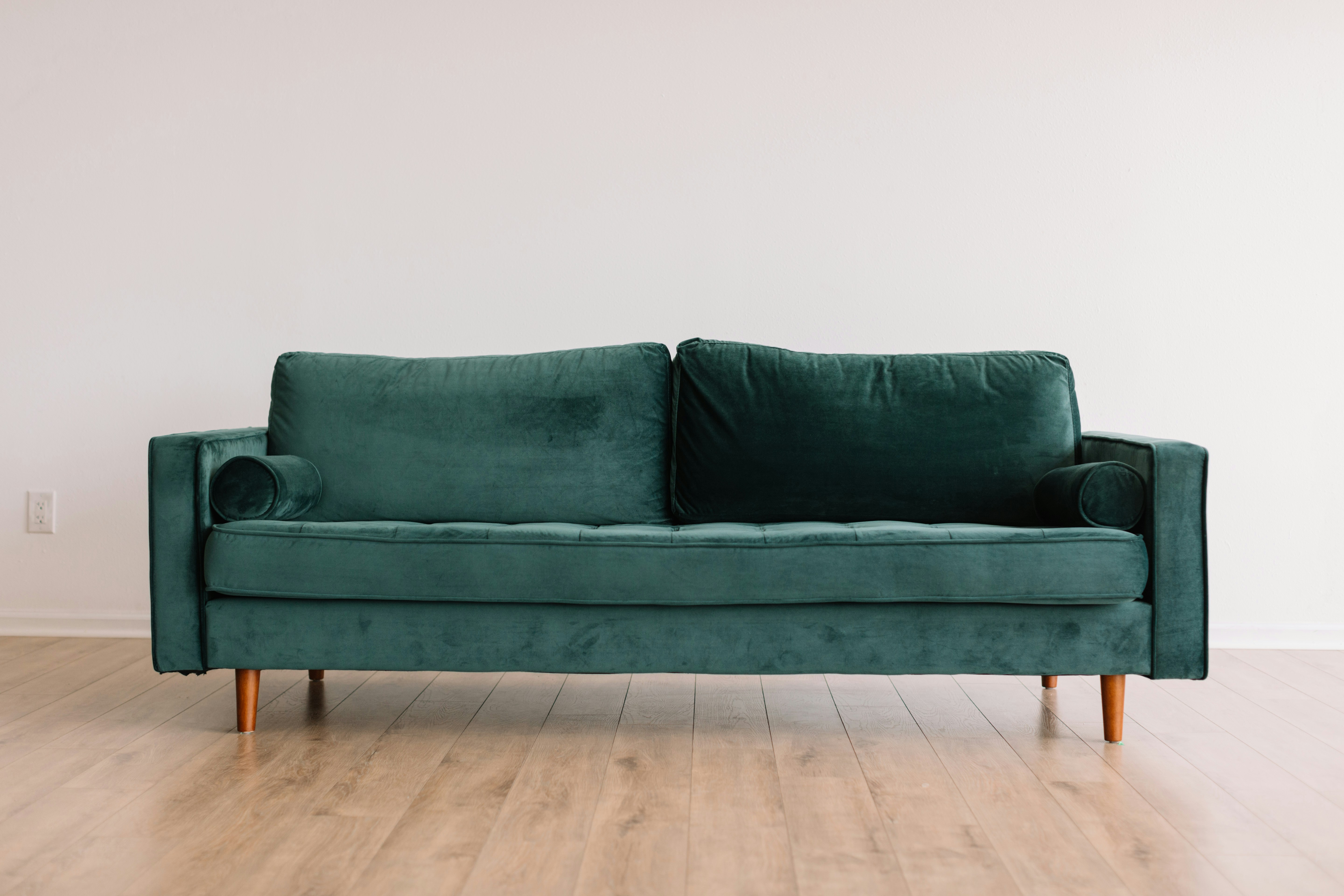
Continuing with your furniture layout, prioritizing pieces with dual functions or exposed structures will change how your eyes perceive floor space. Every item you bring into a small apartment should earn its footprint.
- 1. Choose furniture with exposed legs: Sofas, accent chairs, and media consoles lifted on slender wooden or metal legs allow your eyes to see the flooring underneath, creating an immediate sense of expansive floor space.
- 2. Embrace multi-functional ottomans: Swap a traditional coffee table for a upholstered storage ottoman that can hide throw blankets, serve as a footrest, or act as extra seating when guests arrive.
- 3. Opt for nesting tables: Nesting coffee or side tables can be pulled apart when you need surface area during gatherings and pushed together to reclaim open walkways when you are relaxing alone.
- 4. Pull furniture away from walls: Floating your sofa just a few inches away from the perimeter wall creates a psychological illusion of breathing room and prevents the space from feeling pinched.
- 5. Scale down your seating: Replace an oversized sofa with a sleek loveseat paired with a lightweight accent chair to maintain clear walking paths throughout the apartment.
- 6. Select glass or acrylic ghost furniture: Transparent coffee tables or acrylic chairs virtually disappear into the room, reducing visual clutter and letting natural light flow unobstructed.
- 7. Use round tables instead of rectangular ones: Circular coffee tables eliminate sharp corners, making navigation easier in narrow living rooms and softening rigid spatial lines.
- 8. Invest in a wall-mounted media console: Floating your TV stand off the floor frees up valuable square footage underneath for baskets, plants, or simply clean, open space.
- 9. Avoid matching furniture sets: Buying a matching sofa, loveseat, and coffee table set makes a small room feel boxy and dated; mixing textures and styles creates a layered, larger look.
- 10. Keep pathways entirely clear: Ensure your primary walking routes from the entryway to the windows remain unobstructed by furniture corners or oversized planters.
Lighting and Brightness Enhancements
Lighting is one of the most powerful tools in interior design, yet it is frequently overlooked in rental apartments that rely on a single harsh overhead dome fixture. Layering your light sources erases dark corners, which naturally recede and make rooms feel smaller.
- 11. Banishing dark corners with floor lamps: Place slim arc lamps or torchiere lamps in shadowy corners to bounce ambient light upward toward the ceiling, creating an illusion of height.
- 12. Add warm-toned smart bulbs: Swap cool, clinical white light bulbs for warm 2700K LEDs that make the entire apartment feel inviting, cozy, and visually expansive.
- 13. Hang sheer, lightweight window treatments: Replace heavy velvet drapes with translucent linen or cotton panels that filter privacy while letting maximum daylight flood the room.
- 14. Mount curtain rods near the ceiling: Install your curtain hardware several inches above the actual window frame and extend the rod outward to trick the eye into seeing massive, floor-to-ceiling windows.
- 15. Incorporate battery-operated wall sconces: If you are renting and cannot hardwire lighting, use rechargeable puck-light sconces mounted with command strips to add balanced accent lighting without damage.
- 16. Place a lamp behind large plants: Casting a warm light behind a tall fiddle-leaf fig or palm creates dramatic shadows and adds depth to an empty corner.
- 17. Use under-shelf or cabinet strip lighting: If your living area opens into a kitchenette, running warm LED strips under open shelving adds ambient glow that brightens the entire shared wall.
- 18. Keep window sills completely bare: Avoid stacking books or decorative objects on your windowsills so nothing blocks the critical morning and afternoon sunbeams.
Color Palettes, Paint, and Visual Flow
The colors you select dictate how light behaves in your living room. While bright white is the classic choice for expanding small spaces, soft neutrals, monochromatic schemes, and strategic contrast can add personality without sacrificing openness.
- 19. Paint trim the same color as walls: Matching your baseboards and crown molding to your wall paint blurs the boundaries of the room, making the walls feel pushed outward.
- 20. Monochromatic tonal layering: Stick to variations of a single color family—like cream, beige, and warm taupe—to create a seamless, uninterrupted visual flow throughout the space.
- 21. Paint the ceiling a soft sky hue: Adding a whisper of soft blue or a lighter tint of your wall color to the ceiling draws the eye upward, making standard apartment ceilings feel towering.
- 22. Use low-contrast color palettes: Keep upholstery, rugs, and walls within a similar tonal range so large objects blend into the background rather than chopping up the room.
- 23. Create a subtle accent wall with peel-and-stick wallpaper: A vertical striped or softly textured removable wallpaper adds personality and creates a focal point that draws the gaze forward.
- 24. Anchor the space with a large area rug: Avoid tiny postage-stamp rugs; a large rug that sits under at least the front legs of your furniture unifies the room and defines a generous boundary.
- 25. Choose low-pile or flatweave rugs: Thick shag carpets absorb light and visual space, whereas flatweave or low-pile rugs keep the floor plane looking sleek and streamlined.
- 26. Match your rug color to your flooring: If your apartment features light wood floors, choose a cream or light tan rug to maintain an unbroken expanse of brightness underfoot.
Mirrors and Reflective Surfaces
Mirrors are a designer’s secret weapon because they literally double the visual volume of a room by reflecting both light and space. They act as windows where none exist and instantly brighten gloomy corners.
- 15. Hang a massive floor mirror: Lean a tall, oversized arched mirror against your main wall to capture and reflect furniture, light, and adjacent rooms, tricking the brain into seeing twice the square footage.
- 28. Position mirrors opposite windows: Placing a reflective surface directly across from your primary light source maximizes the incoming sun and bounces it deep into the apartment.
- 29. Incorporate glass-topped coffee tables: A glass surface allows you to see straight through to the rug below, preserving the continuous flow of the floor space.
- 30. Hang metallic or silver-framed artwork: Thin metallic frames catch glints of light throughout the day, adding subtle sparkle and dimension to blank walls.
- 31. Use mirrored cabinet doors or trays: A decorative mirrored tray on your coffee table or a sideboard with mirrored glass fronts bounces light upward and adds understated glamour.
- 32. Create a gallery wall with small convex mirrors: Grouping several antique convex ‘eye’ mirrors together scatters light in multiple directions while serving as unique sculptural wall decor.
Vertical Space Utilization
When horizontal floor space is severely limited, look up. Most apartments waste the upper half of their walls, which represents a massive untapped reservoir for storage, display, and decorative interest.
- 33. Install floor-to-ceiling floating shelves: Draw the eye all the way up to the roofline by mounting vertical bookshelves or display ledges that utilize every inch of vertical height.
- 34. Hang tall, vertical artwork: Choose tall, narrow canvases or hang multiple smaller art prints in a vertical column rather than spreading them out horizontally.
- 35. Mount your television high on the wall: While maintaining comfortable ergonomic viewing angles, getting the TV off a low media console frees up floor space for slim storage baskets.
- 36. Utilize over-the-door hanging organizers: If your living room connects to a hallway or closet door, use slim over-the-door racks to tuck away remotes, chargers, and magazines.
- 37. Hang trailing plants from the ceiling: Suspending pothos or philodendrons in macrame plant hangers draws attention upward and introduces organic life without eating up shelf space.
- 38. Use tall, narrow bookcases: Choose slim bookcases with a small footprint that offer plenty of vertical shelf storage instead of wide, chunky cabinets.
- 39. Install wall-mounted drop-leaf desks: If your living room doubles as a home office, a fold-down desk attached to the wall can be tucked completely away when not in use.
Decluttering and Minimalist Styling
Visual clutter is the number one enemy of a small apartment living room. Even a tiny space can feel remarkably serene and expansive if every item has a dedicated home and unnecessary knick-knacks are edited out.
- 40. Adopt a ‘one in, one out’ rule: Maintain your spatial equilibrium by ensuring that whenever you bring a new decorative item or throw pillow into your apartment, an older item leaves.
- 41. Utilize attractive woven baskets: Corral loose items like dog toys, charging cables, and yoga mats into large natural seagrass baskets tucked neatly beside the sofa.
- 42. Keep surfaces mostly clear: Practice the rule of threes on your coffee table, limiting decorative items to a small tray, a candle, and a single art book.
- 43. Ditch bulky plastic media cases: Store physical media digitally or tuck remotes and small accessories into decorative lidded boxes to eliminate visual noise.
- 44. Edit down your throw pillow collection: Two or three well-chosen pillows look luxurious and intentional, whereas ten pillows on a small loveseat create chaotic clutter.
- 45. Choose large-scale statement art over tiny collages: A single oversized canvas looks calm and expansive, whereas dozens of tiny frames can make a wall feel choppy and frantic.
- 46. Opt for closed storage for seasonal gear: Store winter blankets and bulky gear in under-bed storage containers rather than letting them pile up in your living room corners.
- 47. Limit your color palette for accessories: Keep decorative accents to two or three cohesive colors so your styling looks curated rather than chaotic.
- 48. Embrace negative space on your walls: Leave some walls completely bare to give your eyes a place to rest and let the room breathe.
- 49. Streamline your cord management: Use cord clips and concealment sleeves to bundle messy TV and lamp wires out of sight against baseboards.
- 50. Keep daily clutter hidden in plain sight: Use furniture with built-in drawers and hidden compartments to easily swipe away everyday items when guests drop by unexpectedly.
Frequently Asked Questions
What color paint makes a small living room look biggest?
Soft, warm whites, pale greiges, and light creamy neutrals reflect the most natural light and blur the edges of the room. However, you do not have to stick strictly to white; soft monochromatic tones and matching your wall color to your trim will also create an expansive feel.
How can I arrange my furniture if my living room is very narrow?
In a narrow living room, avoid pushing all furniture tightly against opposing walls, as this accentuates the bowling-alley effect. Instead, float a compact sofa slightly forward, use transparent or round accent tables, and place a large area rug horizontally to visually widen the space.
Are there renter-friendly ways to hang heavy mirrors and shelves?
Yes, many heavy-duty mounting anchors are designed to leave minimal holes that are easy to patch with spackle before you move out. Alternatively, leaning tall floor mirrors against the wall requires zero hardware while delivering maximum spatial impact.


