Creating a living room that feels intentionally designed rather than randomly assembled often comes down to the foundational furniture pairings you choose. One of the most efficient shortcuts to a polished look is investing in a coordinated 3-piece table set, typically consisting of one central coffee table and two matching end tables. Across American homes—from compact urban apartments to sprawling suburban open-concept layouts—these bundled sets eliminate the guesswork of mixing different wood tones, metal finishes, and tabletop heights. When your major surface pieces share a common design DNA, the entire room instantly gains a sense of visual calm and structural continuity.
Sourcing these pieces through online marketplaces like Amazon offers unprecedented convenience, but success depends on understanding how scale, finish, and durability translate from a digital rendering into your actual physical space. Navigating the sheer volume of available options requires a clear design strategy, focusing on what your household truly needs in terms of daily wear, surface area, and spatial flow. By examining how these multi-piece sets anchor a room, you can make an informed choice that elevates both the aesthetics and utility of your primary gathering space.
Anatomy of a Standard 3-Piece Living Room Table Set
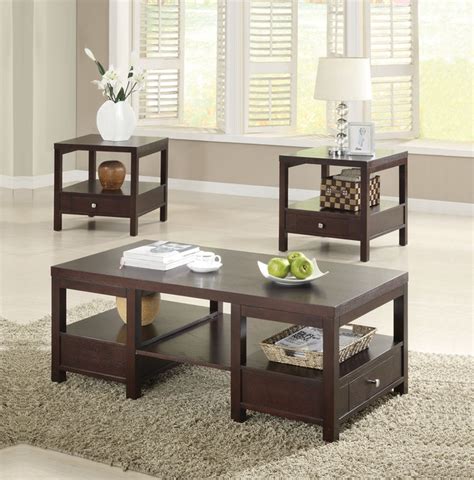
A typical 3-piece set revolves around a central coffee table designed to sit in front of your primary sofa, flanked by two matching or complementary end tables positioned at either end of the couch or beside accent armchairs. This classic configuration establishes symmetry and proportion, which are fundamental principles of interior balance. The main coffee table acts as the focal anchor for the seating arrangement, providing a landing spot for daily essentials, reading material, and decorative accents, while the end tables extend functional surface space outward to accommodate reading lamps and drinks.
Understanding the proportional relationship between these three items prevents common spatial design mistakes. A common pitfall in American living rooms is purchasing oversized tables that choke traffic flow or tiny sets that get visually swallowed by a deep-seated sectional sofa. When shopping online, carefully check the dimensions of both the coffee table length and the end table height relative to your sofa’s armrests. Ideally, end tables should sit roughly level with or slightly lower than the arm of the sofa to maintain ergonomic comfort and a clean visual horizon across the room.
Selecting the Right Material and Finish for Your Space
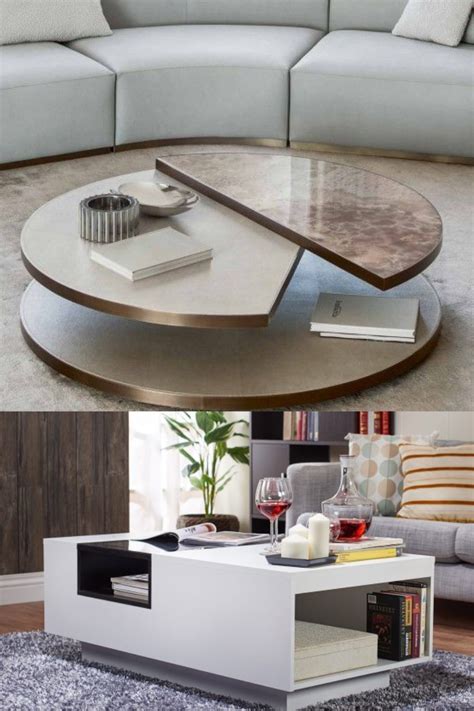
The materials and finishes you select for your 3-piece table set set the architectural tone for the entire room. Wood veneers and solid woods introduce warmth, organic texture, and a traditional or transitional feel that pairs beautifully with upholstered linen or cotton sofas. Conversely, metal frames paired with glass, tempered glass, or faux-marble laminate surfaces lean heavily into modern, industrial, or contemporary aesthetics. Glass tops, in particular, are brilliant design tools for smaller apartments or darker rooms because they allow light to pass through, keeping the visual footprint light and airy.
When evaluating finishes, consider the existing hard surfaces in your home, such as flooring, window trims, and media consoles. While you do not need to match every single wood grain in the room—a practice that can easily make a space look flat and builder-grade—maintaining a similar undertone is crucial. Warm honey oak tones generally clash with cool gray-washed metals, so identifying whether your interior leans warm, cool, or neutral will ensure your new Amazon table set looks like it belongs in the room rather than just occupying space.
Practical Styling Frameworks for Coordinated Surfaces
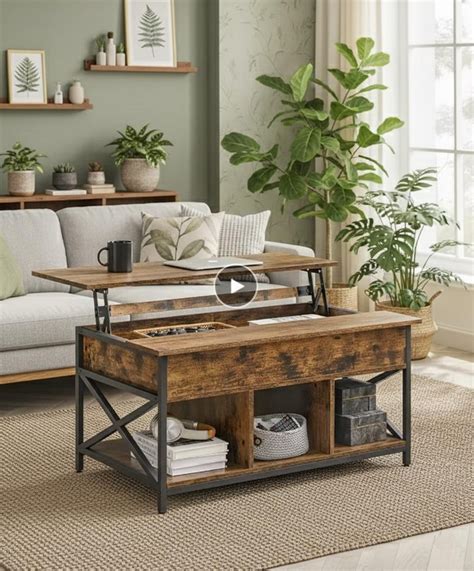
Once your 3-piece table set is assembled and in place, the styling phase transforms raw furniture into a curated vignette. A frequent mistake is overcrowding every surface with knick-knacks, which quickly translates to visual clutter. Instead, apply the rule of thirds and vary heights on your central coffee table. Combine a stack of design coffee table books, a low decorative tray for remotes, and a living element such as a potted succulent or a small vase of seasonal botanicals to create layered interest without sacrificing usability.
Your end tables require a more minimalist approach due to their smaller surface area. Because end tables frequently support functional items like reading lamps, phone chargers, or evening beverages, keep decor to a minimum—perhaps a single framed photo or a small sculptural object. This balance ensures the room retains its harmonious rhythm, allowing the eye to travel smoothly across the coordinated tables without feeling overwhelmed by competing focal points or obstructed movement.
Frequently Asked Questions
What items are typically included in a 3-piece living room table set?
A standard 3-piece set almost always includes one large coffee table designed for the center of your seating group and two matching end tables meant to flank the sofa or sit beside accent chairs.
How do I ensure an online furniture purchase will fit my living room layout?
Always measure your available floor space before browsing, mapping out the dimensions with painter’s tape on your floor. Pay close attention to the clearance between the coffee table and media console or TV stand, ensuring you leave at least 18 inches of walking space.
Are Amazon furniture sets difficult to assemble at home?
Most boxed table sets require minor to moderate assembly using included hardware and Allen wrenches. Reading customer reviews specifically for notes on assembly clarity and having a second person assist can make the process quick and straightforward.