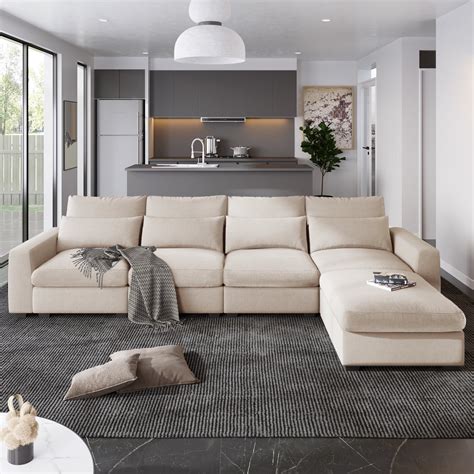
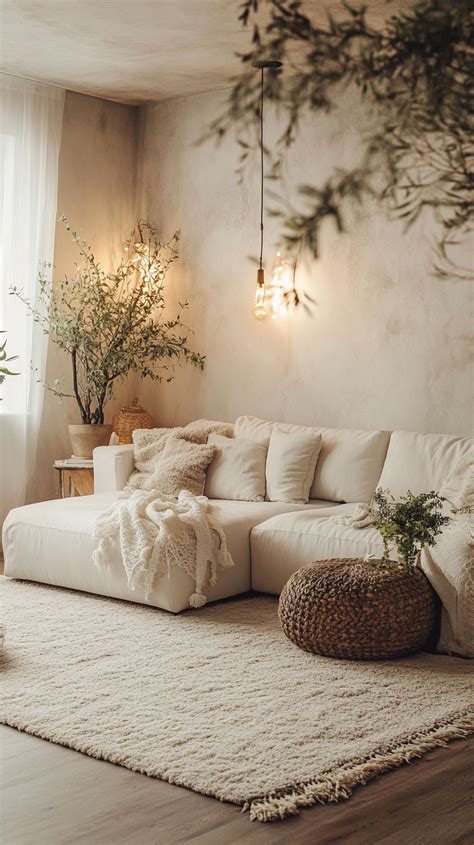
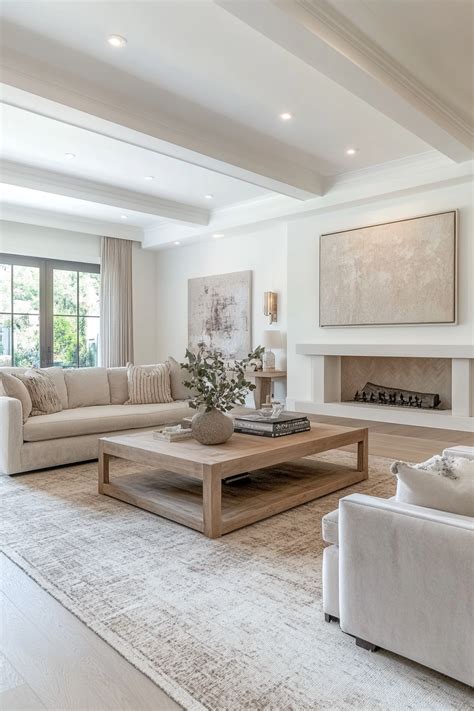
Furnishing a living room in the United States often feels like navigating a delicate balancing act. Whether you are signing a lease on a fast-paced urban apartment or settling into a long-term suburban house, the challenge remains the same: how to create a stylish, welcoming environment without overspending. Homeowners frequently seek enduring quality and timeless design, while renters need modular, lightweight pieces that survive the moving truck. Fortunately, the current U.S. retail landscape offers a wealth of clever solutions that bridge the gap between temporary utility and permanent elegance.
Achieving a high-end look on a modest budget requires strategic decision-making rather than simply shopping the clearance aisles. By understanding which materials hold up over time, how to select pieces scaled correctly for standard American room dimensions, and where to invest versus where to save, you can curate a space that feels deeply personal and refined. This guide explores smart furnishing strategies tailored specifically to the realities of modern American renting and homeownership, helping you make confident design choices.
Prioritizing Versatility: Smart Seating for Renters and Homeowners
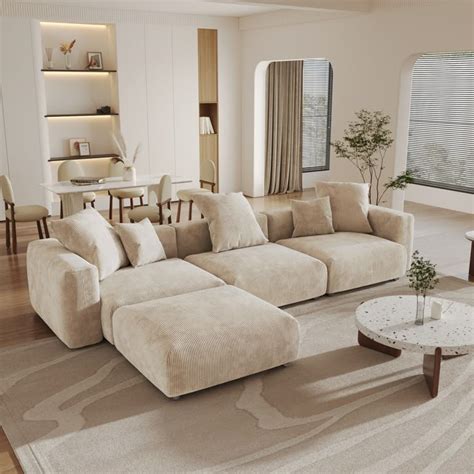
When selecting a sofa or accent chairs for your living room, the primary consideration should always be adaptability. Renters benefit immensely from modular sectionals or apartment-sized sofas featuring removable cushions and reversible configurations. These features make navigating narrow stairwells, tight elevator banks, and unexpected layout changes remarkably straightforward. Meanwhile, homeowners can use modular seating to adapt a room’s traffic flow as family dynamics shift or as entertaining needs evolve over the years.
Material selection serves as the critical bridge between affordability and long-term durability. Look for performance fabrics like tightly woven polyester blends or treated microfiber, which resist stains and hold up against everyday wear without requiring delicate maintenance. If you prefer the look of leather, high-grade faux leather or polyurethane options offer a sleek aesthetic at a fraction of the cost, though genuine leather remains the gold standard for homeowners seeking a natural patina that improves over time.
The Power of Multifunctional Coffee Tables and Media Consoles

In many U.S. living rooms, square footage comes at a premium. Integrating multifunctional furniture ensures that every square inch of your floor plan works hard to support your daily routines. Lift-top coffee tables, for instance, transform effortlessly from a low-profile centerpiece into an ergonomic workstation or a casual dining surface for movie nights. This dual functionality is exceptionally valuable in open-concept apartments where dedicated home offices are rare.
Media consoles offer another prime opportunity to merge aesthetic appeal with hidden utility. Instead of standard open shelving that can easily look cluttered, opt for media credenzas featuring slatted wood doors or woven cane panels. These design elements conceal electronic cords and streaming devices while maintaining a clean, textured silhouette. Renters will appreciate models that arrive mostly pre-assembled, while homeowners can look toward slightly heavier wood-veneer constructions designed to anchor a room visually for years.
Balancing Scale and Proportion in American Living Rooms
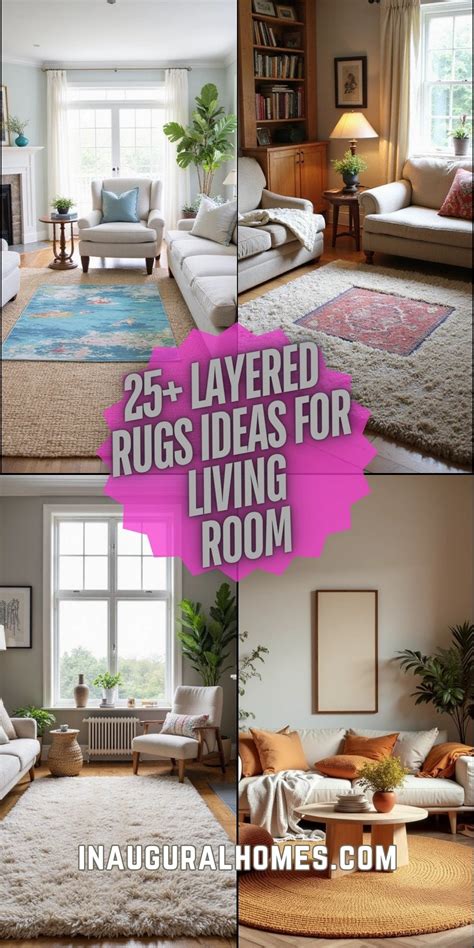
A common pitfall when shopping for budget-friendly furniture is ignoring the overall scale of the room. Oversized sectionals can instantly overwhelm a modest suburban living room, while undersized accent chairs can look lost in a sprawling open-concept space. Before purchasing any major item, map out your floor plan using painter’s tape to visualize clearances around doorways, walking paths, and windows. Ensuring a comfortable three-foot walking clearance makes even the most compact room feel intentional and open.
Height variation also plays a vital role in making affordable furniture look curated rather than flat. If your seating and media console sit low to the ground, draw the eye upward with a tall bookcase, floor-to-ceiling drapery panels, or a striking piece of wall art. Mixing clean-lined contemporary pieces with organic shapes, such as a round travertine-look side table next to a boxy sofa, introduces visual tension that elevates the entire aesthetic without inflating your budget.
Where to Save and Where to Invest in Your Living Room Layout
Smart decorators know that building a gorgeous living room does not require paying top-dollar for every single item in the space. Knowing where to allocate your financial resources allows you to stretch your budget efficiently. Save on trendy accent items, throw pillow covers, temporary area rugs, and lightweight side tables that you might want to swap out as your personal style shifts or as you move to a new property.
Conversely, consider investing your core budget into the foundation pieces that endure the heaviest daily use. A sturdy sofa frame made from kiln-dried hardwood and supported by high-resiliency foam cushions will outlast cheaper alternatives by years, saving you replacement costs down the road. Homeowners should prioritize this structural longevity, whereas renters can strike a compromise by choosing durable mid-tier brands that offer easy disassembly for future relocations across town or across the country.
Frequently Asked Questions
What are the best furniture pieces for small rental apartments?
For small rental apartments, look for modular sectionals, nesting coffee tables, storage ottomans, and lightweight accent chairs. These items offer flexibility during moves, provide hidden storage, and can be easily reconfigured to fit varying floor plans.
How can I make inexpensive living room furniture look high-end?
You can elevate budget furniture by swapping out standard hardware for upgraded brass or matte black pulls, styling surfaces with curated trays and books, adding textured throw blankets, and incorporating warm layered lighting through floor lamps and table lamps.
Where can U.S. shoppers find stylish furniture on a budget?
U.S. shoppers can find great options across online retailers like Wayfair, Article, Target, and IKEA, as well as local estate sales, outlet stores, and secondhand marketplaces. Focusing on material quality rather than brand names helps secure the best value.
What durable furniture options work best for homeowners with long-term needs?
Homeowners benefit from investing in frames built from solid or kiln-dried hardwoods, genuine leather or heavy-duty performance fabrics, and solid wood or metal case goods. These materials withstand decades of daily use and maintain structural integrity.
How do I choose furniture that is easy to move if I rent?
Prioritize furniture labeled as knock-down or flat-pack with straightforward assembly mechanisms, modular pieces that break down into smaller components, and items with slender profiles that can easily navigate tight stairwells and standard doorways.