Furnishing a living room often presents a unique challenge for homeowners and renters across the United States. Balancing aesthetic appeal with everyday functionality requires careful consideration of scale, material, and layout flow. When you buy individual pieces haphazardly, you risk creating a disjointed environment that lacks visual harmony. This is where complete living room table sets offer a streamlined, highly effective solution for achieving a designer-tier interior.
Opting for a coordinated bundle removes the endless trial and error of matching wood stains, metal finishes, and table heights independently. Whether your home features an open-concept suburban layout or a cozy urban apartment floor plan, a unified table collection anchors the space instantly. By understanding the anatomy of these sets, evaluating your room proportions, and learning how to style them effectively, you can transform your main living area into an inviting sanctuary of comfort and style.
The Anatomy of a Complete Living Room Table Set
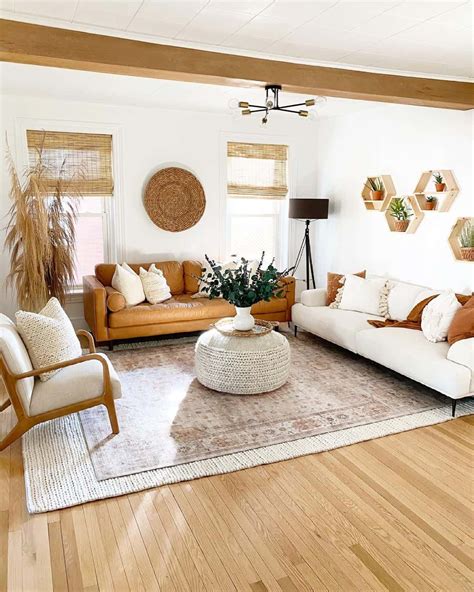
A standard multi-piece table package typically includes a central coffee table accompanied by one or two matching end tables. In more expansive U.S. floor plans, these bundles may also feature a coordinating console table designed to sit behind a sofa or against an entryway wall. Each component serves a distinct functional purpose while contributing to the overall visual rhythm of the room.
The coffee table anchors the primary seating arrangement, providing a surface for daily essentials, reading material, and decorative accents. Meanwhile, matching end tables frame your sofa or armchairs, offering practical spots for task lighting, beverage coasters, and remote controls. When a console table is added to the ensemble, it creates vertical interest and fills awkward empty wall spaces, ensuring the entire open-concept or formal living room feels completely finished and intentionally designed.
Matching Sets vs. Coordinated Pieces: Weighing the Design Trade-Offs
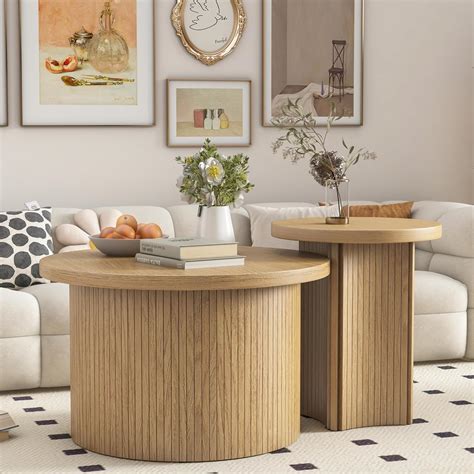
One of the most common debates in interior styling is whether to purchase a matching three-piece set or curate an eclectic mix of individual tables. Matching sets offer undeniable benefits in terms of cohesion and budget efficiency. They guarantee that the wood undertones, metal sheens, and structural silhouettes complement one another without requiring advanced design expertise.
However, purists sometimes argue that matching sets can make a room look too much like a furniture showroom catalog. To avoid this pitfall, look for table sets that incorporate mixed materials—such as wood tops with sleek iron frames—which add inherent texture and visual depth. You can also break up strict uniformity through clever accessorizing, introducing distinct lamps, trays, and organic decorative elements that personalize the standardized furniture pieces.
Navigating Sizing and Spatial Layouts in American Homes
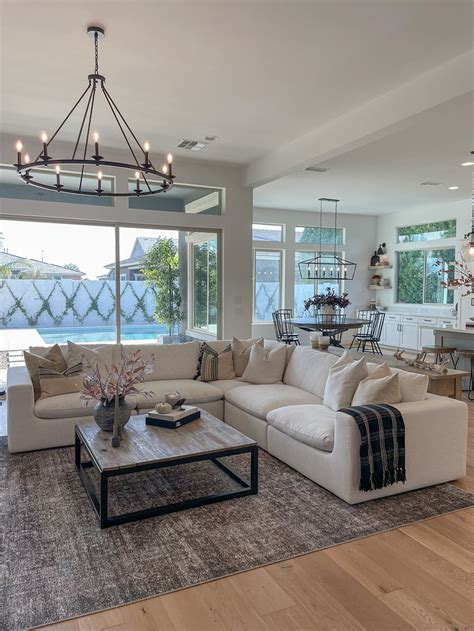
Spatial planning is critical when integrating table sets into typical American living rooms, which often balance multiple functions like TV watching, entertaining, and remote work. Before purchasing any collection, measure your available floor space carefully, keeping standard ergonomic clearances in mind. You should maintain roughly 14 to 18 inches of distance between your sofa edge and the coffee table to allow for comfortable leg movement and easy access.
For smaller apartments, look for nesting table sets or lighter glass-and-metal constructions that visually expand the square footage. In larger, open-concept great rooms, substantial solid wood or concrete-topped tables help anchor massive sectional sofas, preventing the furniture from floating untethered in an oversized room. Matching the scale of your tables to the scale of your seating is the single most important rule for achieving professional balance.
Selecting Durable Materials for Real-World Living
Lifestyle demands should dictate your choice of material when investing in a living room table set. Households with energetic toddlers, active pets, or frequent guests require furniture that withstands daily wear and tear without sacrificing visual appeal. Solid hardwoods like oak, walnut, and mango wood offer exceptional durability and hide minor scratches gracefully, while engineered wood alternatives provide budget-friendly resilience.
Metal and tempered glass combinations bring an airy, modern aesthetic to compact spaces, though glass surfaces require more frequent wiping to eliminate fingerprints and dust smudges. If you adore the look of stone, engineered quartz or faux-marble laminates give you high-end elegance without the heavy weight and staining vulnerabilities of genuine porous marble. Always weigh the maintenance commitment of each material against your household’s daily routines before making a final selection.
Professional Styling Formulas for Coordinated Table Sets

Once your new living room table collection is safely in place, the styling phase begins. Professional interior designers often rely on the “rule of thirds” and asymmetry to break up the rigid matching nature of coordinated furniture sets. On your coffee table, combine items of varying heights, such as a low decorative tray, a stack of hardcover books, and a tall ceramic vase with dried botanicals.
For end tables, keep functional items in mind first—such as a reading lamp that provides warm ambient lighting—and then layer a small sculptural object or framed photo beside it. On a sofa console table, create a balanced vignette by anchoring one side with a sculptural table lamp and placing a stack of art books and a trailing plant on the other. This thoughtful layering ensures your unified table set feels collected, lived-in, and uniquely yours.
Frequently Asked Questions
What pieces typically come in a complete living room table set?
Most standard living room table sets include one central coffee table and two matching end tables. Larger collections may also incorporate a console table or sofa table designed to sit behind the main seating area.
Should all the tables in my living room match perfectly?
They do not have to match identically, but they should share a common design thread, such as matching metal frames or complementary wood finishes. Coordinated sets simplify styling, but mixing pieces with similar design DNA can create a more eclectic look.
How do I ensure a table set fits my living room size?
Measure your available floor space and seating dimensions first. Ensure you leave 14 to 18 inches between your sofa and the coffee table, and make sure end tables do not exceed the height of your sofa’s armrests.
Which materials are best for families with kids or pets?
Solid hardwoods, textured wood laminates, and sturdy metal frames are ideal because they resist scratches and impacts. Avoid sharp-edged glass tables if you have toddlers running around, or opt for rounded or oval table designs for safety.