Grey marble tiles bring an effortless sense of architectural dignity and modern polish to residential interiors. Across contemporary American homes, homeowners frequently look to grey stone to ground open-concept floor plans, establish clean focal points, or deliver a resilient, high-end foundation. However, introducing stone finishes into a family living room requires careful planning to ensure the environment remains inviting and comfortable rather than stark or clinical.
Successfully integrating grey marble involves balancing the cool undertones of natural veining with warm textual elements, thoughtful furniture placement, and strategic lighting. Whether you are planning a complete flooring overhaul or searching for targeted accent ideas, understanding the nuances of large-format slabs, honed finishes, and high-performance porcelain alternatives will help you achieve a sophisticated balance tailored to your household routine.
1. Expansive Large-Format Grey Marble Flooring
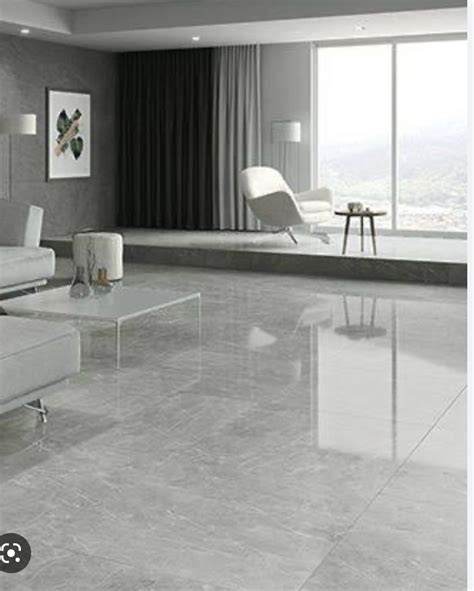
Large-format grey marble tiles measuring 24×24 inches or larger transform standard living room layouts by minimizing grout lines and creating a seamless, continuous plane. This unbroken visual flow tricks the eye, making compact suburban living rooms and urban apartments feel considerably more expansive and airy.
When implementing large tiles in an open-concept U.S. home, opt for a honed rather than a high-gloss polished finish. Honed marble diffuses incoming natural light from large sliding glass doors or picture windows, reducing harsh glares while maintaining a refined matte elegance. This finish also proves more forgiving against minor everyday dust and footprints in high-traffic household areas.
To prevent a large-format grey floor from feeling cold, anchor the seating arrangement with a thick, textured wool rug in a cream or oatmeal hue. Introducing warm wood coffee tables and cognac leather armchairs provides an organic counterpoint to the stone, balancing the color temperature of the entire room.
2. Dramatic Floor-to-Ceiling Fireplace Surrounds
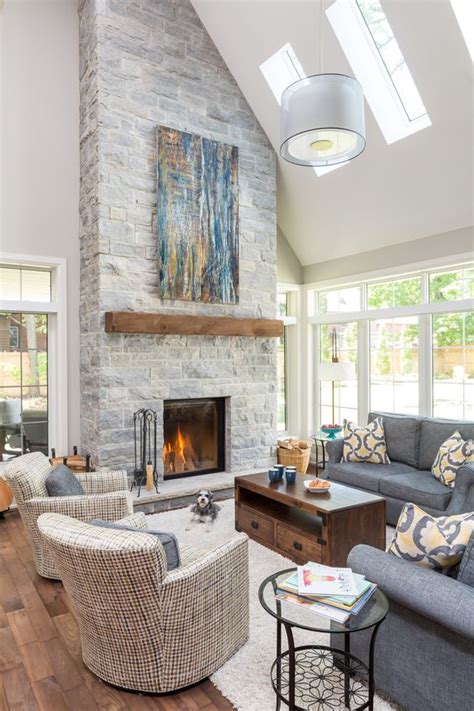
A masonry fireplace serves as the natural focal point of many American living rooms. Cladding this central feature in dramatic grey marble tiles with bold white and charcoal veining instantly elevates standard drywall construction into a bespoke architectural statement.
Book-matching smaller tiles or utilizing continuous porcelain slabs around the firebox creates a stunning symmetrical pattern that draws the eye upward. When pairing grey marble with a functioning fireplace, ensure you select heat-resistant installation materials and consult local building codes regarding clearance requirements for combustible mantels.
Complement the striking grey tones of the hearth by mounting a reclaimed timber mantelpiece or displaying warm metallic decor objects. This juxtaposition softens the cool austerity of the marble and anchors the fireplace as a welcoming gathering spot during colder months.
3. Selecting Between Natural Stone and Porcelain Alternatives
Homeowners often grapple with the decision between authentic quarried marble and high-definition porcelain tile engineered to mimic stone. Natural grey marble offers unique veining profiles and an authentic tactile coolness that purists appreciate, but it demands regular sealing and careful avoidance of acidic spills.
Porcelain marble-look alternatives, on the other hand, provide exceptional durability, scratch resistance, and zero maintenance beyond routine sweeping and mopping. For busy households with children and pets, large-format porcelain delivers the luxurious aesthetic of European marble without the daily anxiety of potential etching or staining.
Evaluating your household lifestyle against maintenance requirements ensures long-term satisfaction. If you choose porcelain, look for rectified edges that allow for ultra-thin grout lines, closely mimicking the seamless appearance of authentic natural stone slabs.
4. Low-Profile Accent Walls and Media Built-Ins
Beyond flooring and hearths, grey marble tiles work exceptionally well when applied to a single accent wall behind a media console or shelving unit. This design strategy adds architectural depth and rich visual texture to flat drywall surfaces.
Layering floating oak or walnut shelving against a cool grey marble backdrop introduces a striking contrast between raw stone and organic wood grain. Integrate warm LED strip lighting beneath the shelves to cast a soft glow across the marble veining, creating an inviting ambiance during evening hours.
Keep the surrounding wall colors neutral—such as soft warm white or pale taupe—so the marble accent wall remains the undisputed hero of the living room composition without overwhelming the visual space.
5. Herringbone Patterned Marble Border Inlays
Introducing intricate laying patterns like herringbone within a designated seating zone breaks up the monotony of standard grid tile layouts. A grey marble herringbone inlay framed by wider perimeter tiles creates a bespoke rug-like effect directly on your floor.
This detailed approach requires skilled masonry work during installation, but the resulting craftsmanship adds immense character and traditional charm to transitional living rooms. Pair the herringbone inlay with streamlined modern furniture to strike a harmonious balance between classic detailing and contemporary silhouettes.
When grouting patterned inlays, select a grout color that closely matches the background shade of the grey marble to maintain a cohesive, flowing visual field rather than a choppy checkerboard effect.
6. Step-Down Living Room Perimeter Cladding
Many mid-century and split-level American homes feature sunken living rooms that benefit immensely from defined perimeter detailing. Cladding the vertical risers and steps leading into the conversation pit with narrow grey marble tiles creates a polished transition between different living zones.
The subtle reflection of light along the marble step edges enhances safety by clearly defining level changes while adding a layer of understated luxury. Combine this stone detailing with recessed stair riser lighting for a dramatic architectural effect after sunset.
Ensure that the horizontal treads feature a honed or textured finish to prevent slips and falls when family members move between the elevated kitchen or dining area and the sunken living space.
7. Integrated Window Sills and Low-Profile Ledges
Details often define the overall quality of an interior design scheme. Replacing standard painted wood window sills with custom-cut grey marble slabs creates a cohesive connection between structural elements and your flooring choices.
These durable stone sills resist moisture from house plants or condensation, making them exceptionally practical for sun-drenched living room windows. Extending the marble outward to form a low display ledge allows you to curate books, ceramics, and sculptural objects without cluttering floor space.
The cool touch of the marble under morning sunlight contrasts beautifully with textured linen drapery, grounding the window frame in natural elegance.
8. Minimalist Floating Marble Hearth Benches
Instead of a traditional raised hearth, modern living rooms often utilize a low, cantilevered floating bench constructed from grey marble slabs. This minimalist design extends outward from the fireplace base to provide extra casual seating or a sleek surface for minimalist styling objects.
The clean lines of a floating marble bench complement open-plan architecture by keeping sightlines completely open across the room. Secure anchoring into wall studs and concrete subfloors is essential to support the substantial weight of natural stone cantilevers safely.
Dress the bench sparingly with a single plush cushion or leave it bare to showcase the sweeping cloud-like veining patterns characteristic of Bardiglio or Carrara grey marbles.
9. Architectural Column Wraps and Structural Piers
Open-concept layouts frequently feature structural support columns right in the middle of the living space. Rather than treating these necessary pillars as visual obstacles, wrapping them in curved or mitered grey marble tiles turns them into striking architectural columns.
Mitered corner joints ensure that the marble veining wraps continuously around the column, creating the illusion of a solid quarried stone pillar. This technique adds vertical drama and a sense of classical permanence to contemporary urban apartments and suburban homes alike.
Soften the hardness of the stone columns by positioning tall indoor plants, such as a fiddle-leaf fig or bamboo palm, nearby to introduce organic movement and vibrant green color.
10. Two-Tone Geometric Tile Layouts
Combining pale dove-grey marble tiles with contrasting charcoal or nero marquina accents allows you to create custom geometric patterns, such as large-scale checkers, Greek key motifs, or staggered basketweave designs.
This graphic approach works exceptionally well in transitional or art deco-inspired living rooms where individuality and artistic expression take center stage. To prevent the room from feeling overly busy, keep upholstery and wall treatments solid and uncluttered.
Careful dry-laying of the tiles prior to final installation is vital when working with multi-colored marble designs to ensure the dark and light veining distributions remain balanced across the entire living room floor.
11. Subtle Chevron Accent Niches and Display Cubbies
If full wall cladding feels too overpowering for your space, consider carving out recessed display niches or bookshelf backs lined in book-matched grey marble tiles. These intimate architectural moments add unexpected luxury to otherwise plain drywall surfaces.
Illuminating these marble-backed cubbies with warm directional spotlighting highlights the delicate mineral deposits and translucent quality of the stone. It provides a sophisticated gallery-like backdrop for displaying cherished family heirlooms, art books, or ceramic sculptures.
Selecting a lighter grey marble for niche interiors helps bounce ambient light around the room, making even small shadow-prone corners feel bright and thoughtfully designed.
12. Integrated Floor-Level Plant Beds and Stone Borders
Bring biophilic design elements directly into your grey marble floor plan by incorporating a minimalist indoor garden bed bordered by precision-cut marble edging. A flush stone border neatly separates living soil and greenery from polished tile surfaces.
This organic integration softens the mineral coolness of grey stone flooring, creating a refreshing oasis within an urban living room. Low-maintenance indoor plants thrive against the cool backdrop of grey marble tiles, filtering indoor air while enhancing natural textures.
Ensure that the marble border is sealed meticulously to prevent moisture from the planter bed from seeping beneath the surrounding living room flooring substrate.
Frequently Asked Questions
How can I keep grey marble living room floors from looking cold?
You can neutralize the cool undertones of grey marble by incorporating warm textiles, such as chunky wool rugs, velvet throw pillows, and woven window treatments. Pairing the stone with warm wood furniture, brass or brushed gold hardware, and layered ambient lighting will instantly make the space feel cozy and welcoming.
Are natural grey marble tiles slippery for daily family use?
Polished marble tiles can become slippery when wet, making them less ideal for high-traffic living spaces exposed to moisture or outdoor entryways. Selecting a honed, tumbled, or textured finish significantly increases slip resistance while offering a sophisticated, low-glare surface.
What is the best way to maintain grey marble tiles in a busy living room?
For natural marble, regular sweeping prevents abrasive dirt from scratching the surface, and annual sealing protects against stains. Always use pH-neutral cleaners specifically formulated for stone. For porcelain alternatives, standard mild detergent and water are sufficient for routine upkeep.
Can renters incorporate grey marble tile designs into their living rooms?
Permanent tile installation is rarely feasible for renters, but you can achieve a similar aesthetic using peel-and-stick marble-look vinyl tiles for temporary accent areas, or by incorporating marble-topped coffee tables and decorative trays that deliver the luxurious stone texture without altering the landlord’s property.