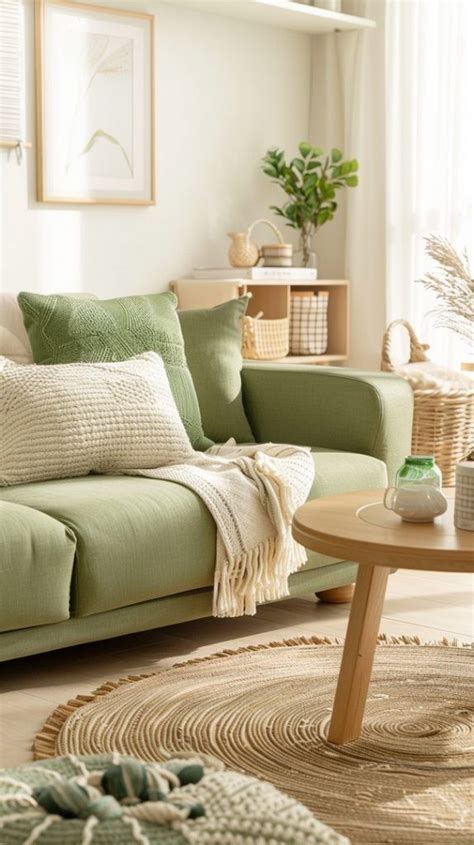
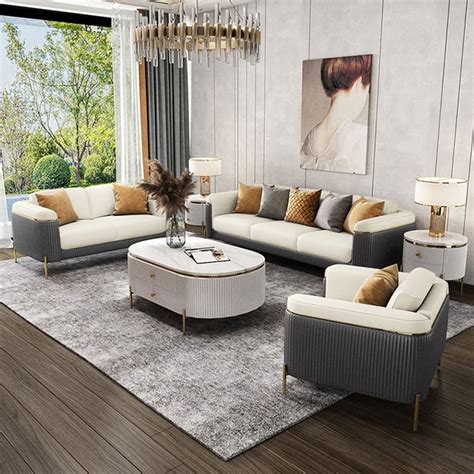
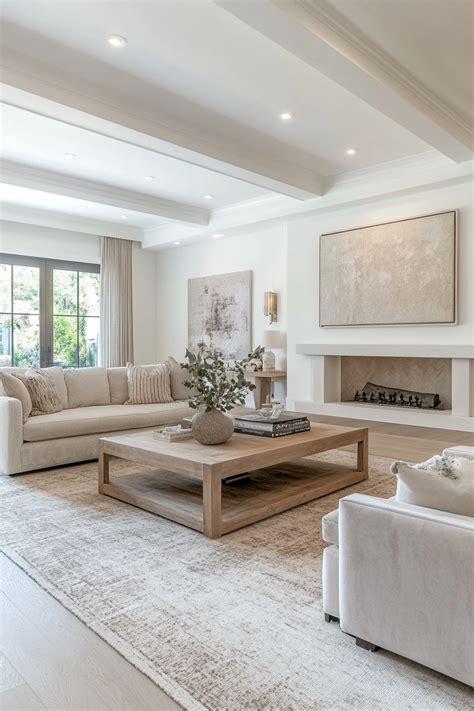
When designing a modern American living room, flooring choice dictates the entire atmosphere of the space. While traditional hardwood or wall-to-wall carpeting have long been the default choices, grey porcelain tile floors have rapidly gained popularity for their striking visual appeal, exceptional durability, and low-maintenance upkeep. However, a common hesitation among homeowners is that tile can sometimes feel cold, sterile, or overly industrial for a space meant for relaxation and family gathering.
Successfully bridging the gap between modern architectural sleekness and everyday coziness requires intentional design choices. By carefully selecting your tile undertones, incorporating rich textile layers, balancing lighting temperatures, and introducing organic elements like wood and plants, you can completely transform a tiled surface into an inviting, comfortable foundation. This guide explores practical, design-forward strategies to help you cultivate a warm and welcoming living room centered around stunning grey porcelain tile.
Understanding Tile Undertones: The Secret to a Warm Foundation
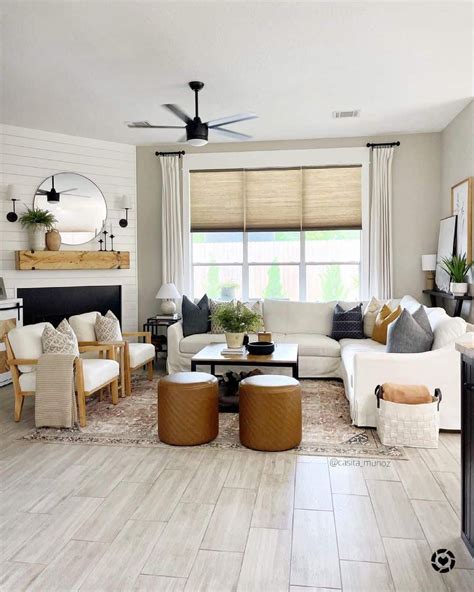
The journey toward a cozy tiled living room begins long before furniture placement or rug selection; it starts with the specific shade and undertone of the grey porcelain tile you install. Grey is rarely a pure, neutral color. Instead, it typically leans toward either cool blue and green undertones or warm beige, taupe, and brown undertones. Selecting the right variation dramatically influences how the entire room receives natural light throughout the day.
For living rooms designed to feel relaxed and intimate, tiles with warm greige or greige-taupe undertones provide an immediate psychological sense of warmth. These balanced neutral shades soften the starkness often associated with high-gloss or polished grey surfaces. If you already have cool grey tiles installed, you can counteract that chill by anchoring the floor with creamy, warm-toned furniture and soft lighting fixtures that infuse golden hues into the lower third of the room.
Strategic Layering: Softening Hard Surfaces with Rugs and Textiles
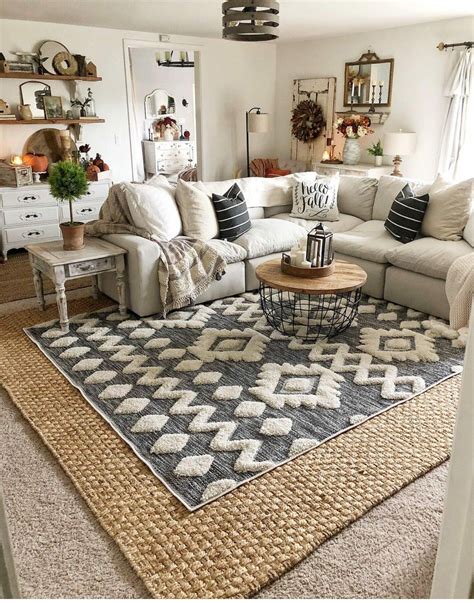
One of the most effective methods for making a hard floor surface feel comfortable underfoot is strategic textile layering. Because porcelain tile inherently conducts temperature, placing a high-quality, plush area rug in the center of your living room seating arrangement physically and visually breaks up the expanse of stone or ceramic look.
When selecting a rug for a tiled living room, sizing is critical. Avoid small floating rugs that make the floor look fragmented; instead, choose a generous rug size where at least the front legs of your sofa and armchairs rest comfortably on the fabric. Layer a thick wool or high-pile shag rug over a high-grade rug pad to add an extra cushion layer. This combination not only traps warmth and dampens echoes in open-concept U.S. homes, but it also creates a rich sensory contrast against the smooth surface of the grey tile.
Balancing Color Palettes and Lighting to Eliminate Coldness
Lighting plays a monumental role in defining the mood of a room featuring hard flooring. Cool overhead lighting can easily turn a sophisticated grey floor into an uninviting environment. To counteract this, interior designers recommend embracing a warm layered lighting strategy that utilizes floor lamps, table lamps, and wall sconces positioned at varied heights around the perimeter of the living room.
Opt for light bulbs with a warmer color temperature, typically ranging between 2700K and 3000K, to cast a soft golden glow that bounces off the grey tile surface. Complement this lighting scheme with a sophisticated color palette on your walls and soft furnishings. Incorporating terracotta, burnt orange, warm mustard, deep olive, or rich caramel accents warms up the neutral backdrop of grey flooring without overwhelming the contemporary aesthetic of your home.
Integrating Natural Elements and Organic Textures
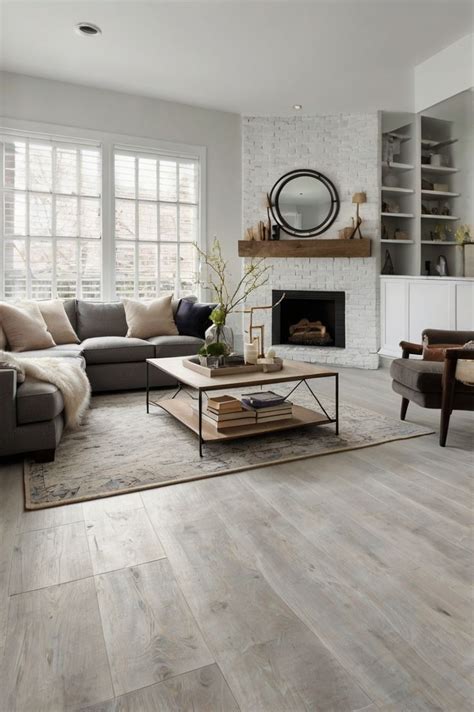
To ground a modern living room featuring sleek grey porcelain tiles, introducing organic materials creates an essential visual balance. Hard tile floors provide a clean, structured base, which can occasionally feel disconnected from nature unless intentionally softened with earthy elements. Incorporating rich wooden coffee tables, live-edge shelving, rattan accent chairs, or woven baskets brings warmth and tactile variety into the space.
Houseplants also act as a vital design tool in tiled spaces. The lush green foliage of fiddle-leaf figs, snake plants, or cascading pothos softens sharp architectural corners and contrasts brilliantly against neutral grey floor tiles. By blending the industrial durability of porcelain with raw, unrefined natural textures, your living room achieves a curated, organic-modern aesthetic that feels both stylish and deeply lived-in.
Practical Considerations for U.S. Climates: Radiant Heating and Maintenance
Beyond aesthetics, porcelain tile offers remarkable functional advantages for American households, particularly regarding durability and resistance to heavy foot traffic, pets, and spills. However, homeowners living in cooler northern U.S. climates often worry about cold winter mornings. Fortunately, porcelain tile is an exceptional thermal conductor, making it fully compatible with hydronic or electric radiant floor heating systems installed directly beneath the subfloor.
Integrating radiant heating ensures that your grey porcelain tile floors remain comfortably warm to the touch throughout the coldest months of the year, merging luxury with practical comfort. Combined with routine sweeping and occasional damp mopping using a pH-neutral cleaner, your tile floor remains pristine, durable, and wonderfully cozy for decades to come.
Frequently Asked Questions
How do I stop grey tile floors from making my living room feel cold?
You can eliminate a cold feel by layering large, plush wool area rugs, using warm-toned lighting (2700K–3000K), and introducing organic textures like wood furniture, leather accents, and house plants to visually and physically warm up the space.
What undertones of grey porcelain tile work best in a cozy living room?
Warm grey or greige (a mix of grey and beige) undertones work best for creating an inviting atmosphere. They offer the modern neutrality of grey while retaining the subtle warmth needed for a comfortable family living area.
Can radiant floor heating be installed under porcelain tile?
Yes, porcelain tile is an excellent thermal conductor and pairs exceptionally well with both electric and hydronic radiant floor heating systems, making it a comfortable choice even in colder U.S. climates.
What size area rug should I use over a large tiled living room floor?
Select an area rug large enough so that at least the front legs of your primary seating furniture rest on it. This anchors the room, prevents the floor from looking fragmented, and provides ample soft surface area.