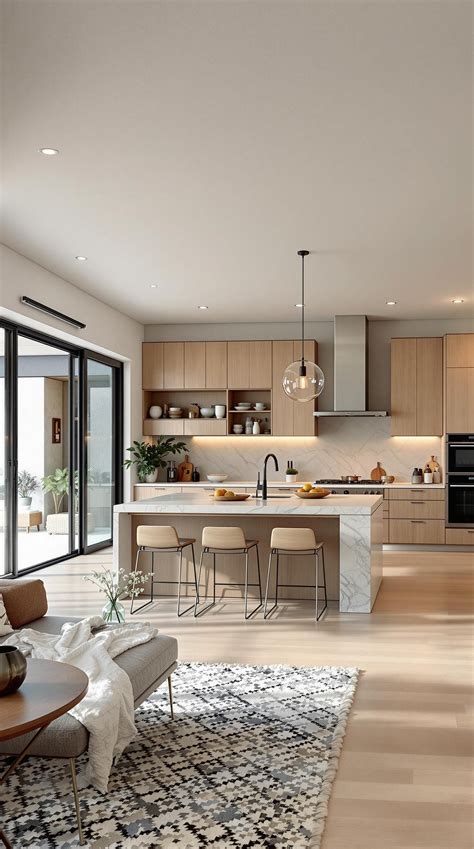
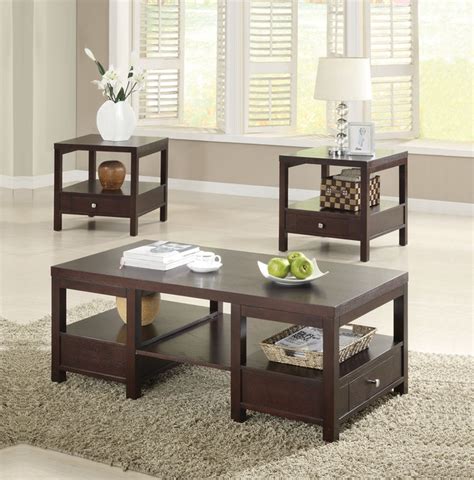
Transforming a living room into a sophisticated, welcoming sanctuary often begins with the conscious choice of what you bring inside your home. Opting for handpicked, U.S.-made furniture and decor offers a profound shift in interior design, moving away from mass-produced uniformity toward pieces defined by character, longevity, and meticulous local craftsmanship. When you invest in items crafted domestically, you are not only securing superior structural integrity for your daily living space but also supporting regional makers who understand the nuances of sustainable, high-quality production.
Navigating the world of American-made home goods requires an eye for detail, an understanding of regional materials, and a clear vision of how individual items work together within your room layout. Whether you are starting with a blank canvas or gradually replacing worn-out items, curating a domestic collection elevates your home’s aesthetic through rich wood grains, robust joinery, and thoughtfully sourced textiles that stand the test of time.
The American-Made Advantage in Living Room Design
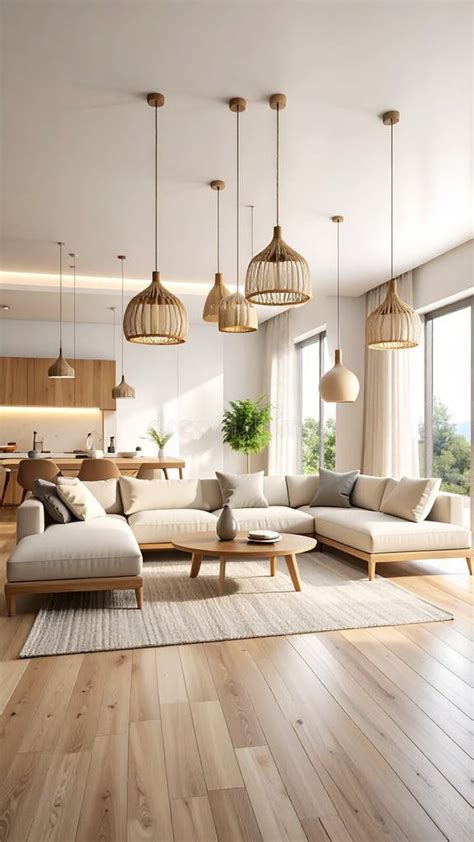
Choosing furniture and decor manufactured within the United States brings distinct advantages that directly impact both daily comfort and long-term home value. Domestic manufacturing standards often emphasize sustainable forestry practices and rigorous quality control, resulting in robust framing materials like kiln-dried oak, maple, and walnut. These solid domestic hardwoods possess a natural resilience and dense grain structure that easily outperforms the engineered wood substitutes commonly found in mass-market imports, providing a secure foundation for heavy daily use.
Beyond raw structural strength, buying closer to home translates into shorter transit distances, which significantly reduces the carbon footprint associated with global shipping and minimizes the risk of transit damage. Furthermore, American furniture makers frequently utilize high-resilience, multi-layer cushioning and eco-friendly foams that maintain their supportive profile over years of lounging. This commitment to superior internal construction means your living room retains its tailored, pristine appearance far longer, reducing the cycle of premature replacement and waste.
Investing in Essential U.S.-Crafted Anchor Pieces
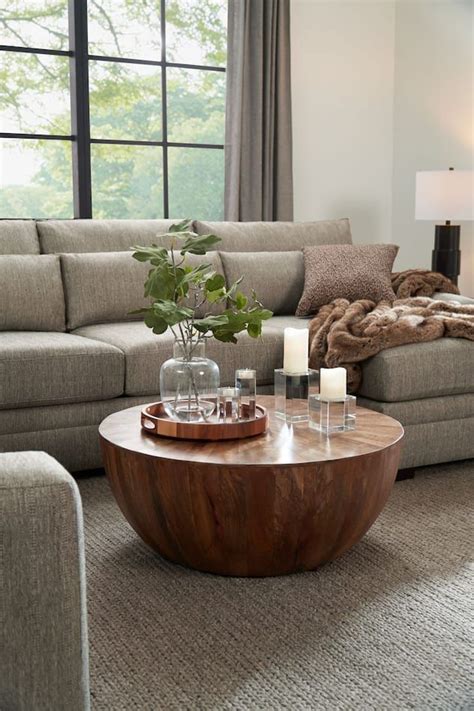
Every well-designed living room relies on strong anchor pieces that set the visual and functional tone for the entire space. Sofas, sectionals, and solid-wood coffee tables manufactured domestically offer exceptional customization options, allowing homeowners to select specific dimensions, configurations, and performance fabrics tailored to their exact spatial requirements.
When selecting a U.S.-built sofa or sectional, look for frames constructed with corner-blocked joinery and sinuous steel spring suspensions. These engineering details prevent sagging and maintain proper weight distribution across the seating area. Pairing these large upholstered items with a handcrafted solid-wood coffee table made from regionally harvested timber introduces natural warmth and organic texture that anchors the center of the room.
Accents and Decor: Supporting Local Artisans
While large furniture pieces establish the functional layout, small accents and decor elements infuse the living room with personality and soul. Incorporating hand-thrown ceramics, blown glass vessels, hand-woven throw blankets, and localized wall art connects your interior design to the rich traditions of American craftspeople and independent studios.
Selecting artisan decor allows you to introduce layers of subtle color and tactile contrast without cluttering the room. A hand-carved wooden bowl resting on a side table or a textured wool throw draped over an armchair adds immediate depth and visual interest. These distinctive items break up the uniformity of commercial catalog looks, ensuring your living room reflects a curated, deeply personal narrative rather than a staged showroom display.
Balancing Wood Tones, Textures, and Spatial Layouts
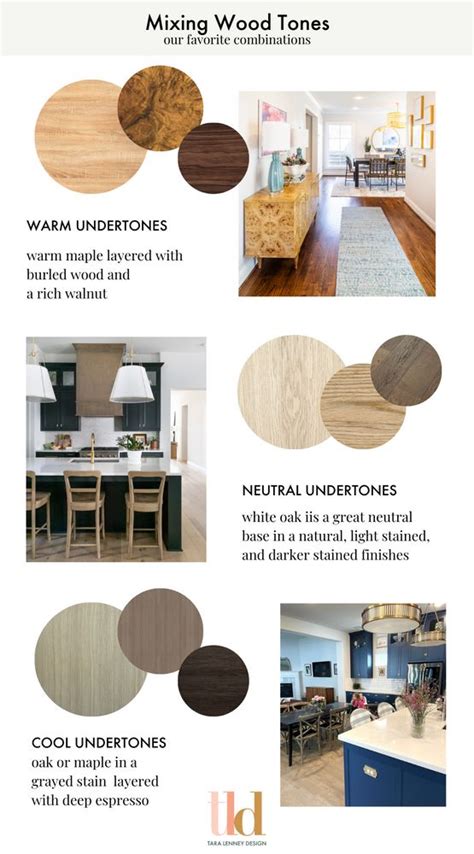
Successfully blending handpicked American furniture and decor into a cohesive living room layout requires careful attention to balance and contrast. A common design pitfall is matching every wooden element identically, which can make a space feel flat and sterile. Instead, embrace the natural variations between domestic timber species by pairing a rich walnut coffee table with lighter white oak shelving or maple accent chairs.
When mixing fabrics and materials, anchor heavy velvet or heavy-linen upholstery with lighter, breathable accents like raw brass lighting or woven jute rugs. Pay close attention to traffic flow and sightlines, ensuring that statement U.S.-made furniture pieces have adequate breathing room rather than overcrowding the floor plan. Allowing negative space around your core investment pieces highlights their craftsmanship and keeps the room feeling open and inviting.
Verifying Craftsmanship and Understanding Sourcing
Purchasing authentic domestic goods requires clarity regarding what truly qualifies as ‘U.S.-made.’ Under Federal Trade Commission guidelines, products labeled as American-made must be ‘all or virtually all’ made in the United States, meaning both the primary manufacturing processes and substantial components originate domestically.
When shopping, do not hesitate to ask retailers for specific details regarding frame construction, fabric sourcing, and workshop locations. Transparent makers are typically proud to share the stories behind their materials, detailing whether their lumber comes from sustainably managed regional forests or which family-owned mill supplied their textiles. While custom domestic craftsmanship often involves higher initial price points and longer lead times due to made-to-order production schedules, the resulting longevity and peace of mind far outweigh the temporary convenience of mass-produced alternatives.
Frequently Asked Questions
Why should I invest in U.S.-made living room furniture?
Investing in U.S.-made living room furniture guarantees superior structural integrity using solid domestic hardwoods and high-resilience foams. It also supports local craftsmanship, ensures transparency in material sourcing, and reduces shipping distances for a lower environmental impact.
How can I verify if a piece of furniture is genuinely made in the USA?
Look for detailed product specifications provided by the manufacturer regarding frame construction and assembly locations. Legitimate U.S.-made furniture typically complies with strict FTC standards, and reputable makers will readily share information about their domestic workshops and material suppliers.
What are the best anchor pieces to prioritize in a living room upgrade?
The most impactful anchor pieces are a well-constructed sofa or sectional featuring corner-blocked frames and durable suspension systems, complemented by a solid-wood coffee table or media console crafted from domestic timber like oak, maple, or walnut.
How do I mix different wood tones from various American artisans?
You can successfully mix wood tones by focusing on undertones rather than matching exact finishes. Combine warm honey oaks with deeper walnuts by using neutral textiles, rugs, and lighting as buffers to create a balanced, harmonious room layout.