Floating shelves offer an exceptional way to maximize vertical storage while maintaining a clean, uncluttered aesthetic in modern American homes. Whether you want to display family photographs in the hallway, organize spice jars in the kitchen, or set up a bedside book nook, building your own shelves allows you to customize the exact dimensions, wood species, and stain color to match your decor. However, successful floating shelving depends entirely on understanding how to anchor your boards securely into standard residential framing.
Standard American wall construction typically relies on vertical wood studs spaced 16 inches on center behind drywall or lath and plaster. Mastering this structural reality ensures your custom creations remain level and capable of supporting everyday items without sagging. Below is a comprehensive guide featuring 25 distinct DIY floating shelf concepts, paired with essential structural insights, material breakdowns, and installation methods to help you elevate your living spaces safely and stylishly.
Understanding Wall Framing and Heavy-Duty Mounting
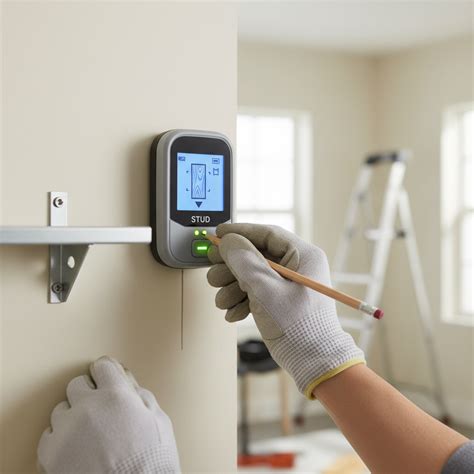
Before selecting a design, every DIYer must understand how wall anatomy dictates shelf capacity. Attaching a shelf solely to half-inch drywall limits weight capacity drastically because drywall crumbles under sustained downward pressure. Securing your hidden brackets directly into at least one structural wall stud transforms your shelf’s load-bearing capacity from decorative trinkets to heavy hardcover books and kitchen stoneware.
When studs do not align with your desired shelf placement, heavy-duty toggle bolts or specialized drywall anchors rated for high sheer weight become necessary. Purchasing commercial-grade welded steel rod brackets provides the most reliable internal spine for hollow-box floating shelves. Always double-check your layout with an electronic stud finder and a reliable bubble level before driving your first fastener into the wall.
Rustic and Farmhouse Style Floating Shelf Concepts
Rustic wooden shelves bring warmth, organic texture, and historical character into contemporary living rooms and kitchens. These projects often utilize readily available dimensional lumber or reclaimed beams found at local salvage yards.
1. Chunky Reclaimed Barnwood Ledges
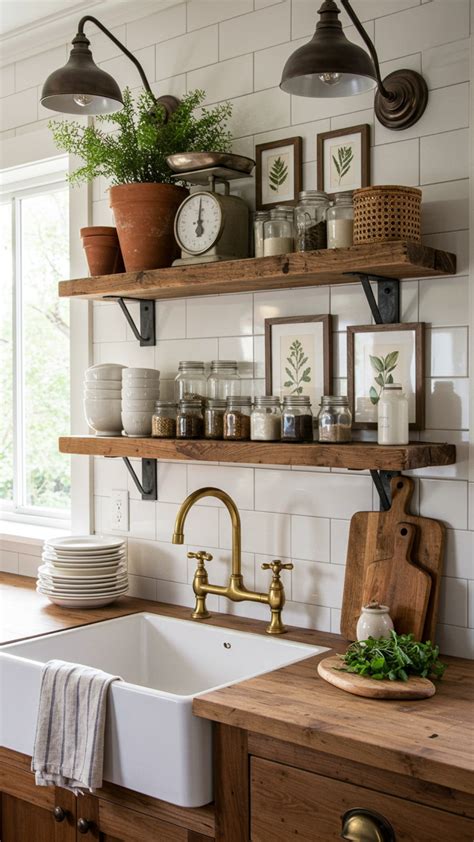
Reclaimed barnwood brings authentic American history and gorgeous weathered textures into any room. To build this look, source thick timber remnants, plane the bottom flat for bracket clearance, and seal the wood with a matte polyurethane. These chunky ledges serve as stunning focal points above living room sofas or dining room accent walls.
2. Distressed Pine Farmhouse Boards
New pine boards can easily mimic centuries-old timber with a few household tools. Use a hammer, chains, and a wire brush to dent and distress the wood before applying a dark walnut gel stain. Finish with a clear wax to achieve a soft, buttery sheen that complements traditional and transitional interior styles.
3. Live-Edge Walnut Display Planks
Live-edge walnut brings organic luxury into modern spaces by showcasing the natural, untrimmed contours of the tree trunk. Secure these heavy slabs using heavy-duty rear-mounting steel plates routed into the backside of the wood. They make exceptional vanity tops or statement display surfaces for pottery and ceramics.
4. Heavy Timber Corbel-Free Mantels
Eliminating traditional decorative brackets creates a clean floating mantel illusion above a brick fireplace. Drill deep clearance holes into the back of a heavy 6×6 cedar beam to slide over a concealed rebar support framework anchored directly into masonry anchors or brick studs.
5. Weathered Oak Coffee Station Shelves
Oak is exceptionally durable and resists moisture well, making it ideal for kitchen coffee bars. Pair white oak boards with a neutral grey weathering wash to highlight the dramatic grain patterns while keeping the overall palette light and airy.
Modern and Minimalist Floating Shelf Designs
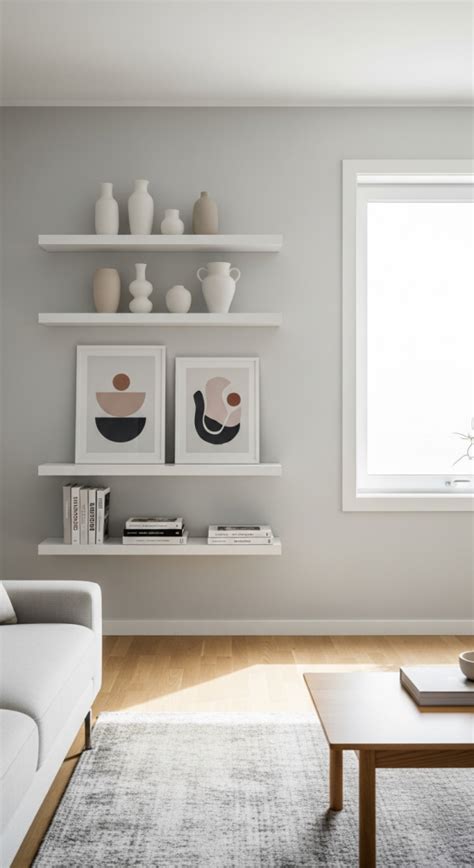
Sleek lines, concealed hardware, and smooth finishes define minimalist shelving, making them ideal for contemporary apartments and urban homes where visual breathing room is essential.
6. Minimalist Hollow-Box MDF Ledges
Hollow-box shelves provide the thick profile of a solid beam without the crushing weight. Construct an internal ladder frame out of 1×2 pine boards, then wrap it with thin medium-density fiberboard (MDF). Paint the entire assembly in a satin white or moody charcoal to blend seamlessly into drywall.
7. Ultra-Slim Steel Accent Plates
For a hyper-modern industrial vibe, fabricate or purchase laser-cut steel plates finished with a matte black powder coat. These ultra-slim profiles look practically invisible from a distance, allowing displayed art prints and small sculptures to take center stage.
8. Integrated LED Backlit Shelves
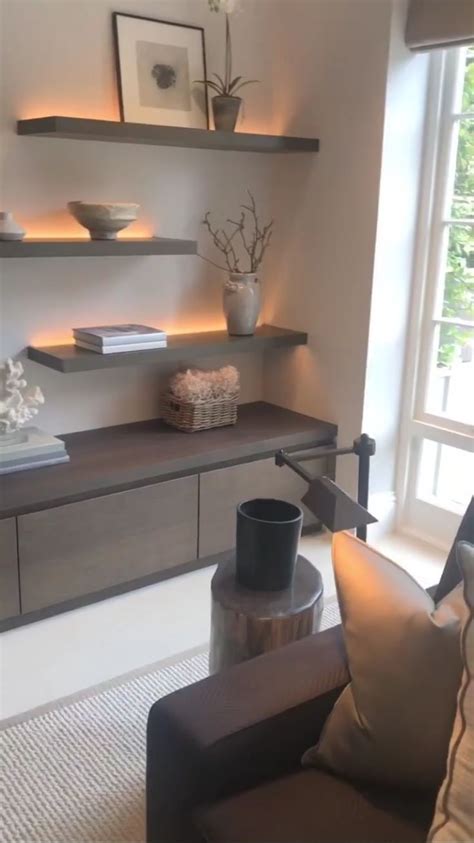
Combine ambient illumination with functional storage by routing a shallow channel along the back edge of a wooden shelf to house flexible LED strip lights. The warm glow washes down the wall surface behind the shelf, creating a sophisticated gallery effect in home offices or bedrooms.
9. Asymmetrical Multi-Tiered Offset Units
Instead of stacking identical shelves vertically, arrange varying lengths in an asymmetrical staggered pattern. This dynamic layout draws the eye across the wall and creates designated zones for trailing houseplants, framed art, and decorative objects.
10. Monolithic Concrete-Look Shelves
True concrete shelves are prohibitively heavy for standard residential walls. Recreate the brutalist aesthetic by applying a thin layer of specialized concrete countertop mix over a lightweight foam or wood core, sanding it smooth, and sealing it with a protective matte sealer.
Budget-Friendly and Upcycled DIY Shelf Ideas
Upcycling everyday materials allows homeowners to craft custom storage solutions on a shoestring budget without sacrificing personal style or structural integrity.
11. Hardwood Flooring Remnant Ledges
Leftover tongue-and-groove hardwood flooring planks from a room renovation make fantastic narrow display ledges for picture frames. Glue two pieces back-to-back to create a sturdy profile, then mount them securely to wall studs using hidden keyhole fasteners.
12. Edge-Glued Pine Board Cubbies
Standard dimensional pine boards found at any home center are inexpensive and easy to cut to custom lengths. Create simple floating boxes by mitering the corners with a miter saw and reinforcing the joints with wood glue and hidden pocket holes.
13. Upcycled Stair Tread Display Boards
Solid oak or maple stair treads are designed to withstand heavy foot traffic, making them exceptionally strong shelf material. Salvage leftover stair parts from home remodeling projects, sand down any old polyurethane, and apply a fresh coat of Danish oil.
14. Plywood Edge-Band Bookshelves
High-grade cabinet plywood offers dimensional stability that resists warping over time. Cut down a sheet of birch plywood, apply iron-on edge banding to conceal the raw plys, and mount them using heavy-duty internal concealed shelf supports for a clean Scandinavian look.
15. Drawer Box Wall Insertions
Repurpose old wooden dresser drawers by removing their pulls, painting the interior a contrasting color, and mounting the drawer box directly to the wall studs through the back panel. The outer frame acts as a natural protective lip to keep items from sliding off.
Specialty and Functional Floating Shelf Projects
Tailor your shelving projects to specific functional needs throughout the house, from bathroom toiletries to mudroom Drop zones.
16. Waterproof Bathroom Vanity Ledges
Bathrooms require moisture-resistant materials like teak or properly sealed cedar. Install a sleek floating shelf directly above the toilet or next to the vanity mirror to hold daily toiletries, spare hand towels, and glass apothecary jars.
17. Kitchen Spice Rack Ledges
Shallow floating ledges keep spice jars organized and visible while cooking. Add a thin front retaining lip made from a small wooden dowel or leather strap to prevent glass jars from tumbling off during bustling kitchen activity.
18. Plant-Parent Window Sill Extenders
Create a sunlit indoor greenhouse by installing sturdy floating shelves directly across south-facing window frames. Use moisture-sealed cypress wood to withstand occasional watering spills from your thriving collection of trailing pothos and succulents.
19. Entryway Key and Mail Drop Shelf
Mount a slim, compact floating shelf near your front entry door to act as a landing pad for car keys, sunglasses, and incoming mail. Add a row of minimalist brass hooks underneath the shelf for hanging coats and dog leaches.
20. Bedside Floating Nightstands
Free up floor space in compact bedrooms by installing small floating nightstands on either side of the bed. Incorporate a small cord-management notch in the back corner to keep phone chargers and reading lamp cords neatly tucked away.
Renter-Friendly and Low-Damage Floating Alternatives
Renters often face strict lease limitations regarding wall modifications. While true floating shelves require screw holes, smart alternatives provide similar aesthetic appeal with minimal patching upon move-out.
21. Command Strip Picture Ledges
Ultra-lightweight wooden picture ledges can be mounted securely using heavy-duty interlocking picture-hanging strips rated for up to 15 pounds. This method requires zero wall anchors or spackle patches, making it ideal for rental apartments and dorm rooms.
22. Tension-Rod Integrated Shelving
Utilize floor-to-ceiling spring-loaded tension rods designed for shower stalls or closet organizers, and attach custom wooden shelves directly to the vertical metal poles. This completely eliminates wall penetration while offering fully adjustable shelf heights.
23. Over-the-Door Hanging Storage Units
Utilize the blank vertical real estate behind bedroom or pantry doors by hanging modular wooden shelving units over the top door edge. These units support moderate weight without interfering with door operation or wall paint.
24. Freestanding Leaner Ladder Shelves
While not strictly floating, leaning ladder shelves mimic the vertical open-air aesthetic of floating shelves without requiring any wall mounting whatsoever. Secure the top safely to a single picture hook for anti-tip child safety.
25. Magnetic Panel Floating Displays
Mount a low-profile steel backplate to the wall using minimal adhesive anchors, then attach magnetic wooden floating shelf boxes directly to the metal face. This allows you to rearrange your shelf layout instantly without drilling new holes.
Frequently Asked Questions
How do you make floating shelves strong enough to hold heavy items?
To maximize weight capacity, your shelf brackets must anchor directly into structural wooden wall studs using heavy-duty steel rods or internal welded frames. Avoid relying solely on drywall anchors for heavy items like books or cast iron cookware.
What kind of wood is best for DIY floating shelves?
Hardwoods like oak, walnut, and maple offer superior strength, durability, and rich grain patterns. For budget projects or painted finishes, select-grade pine, MDF, or cabinet-grade plywood provide smooth surfaces and reliable stability.
How do you find wall studs to mount floating shelves safely?
Use a reliable electronic stud finder to locate the edges of vertical wood framing behind your drywall. Always verify your stud center by driving a small test nail or using a fine magnetic stud locator where the shelf bracket will conceal the mark.
Can renters install floating shelves without major wall damage?
True floating shelves require anchor screws that leave small holes upon removal, which are easily patched with spackle. Renters can also use heavy-duty adhesive hanging strips for lightweight ledges or opt for tension-rod shelving systems to avoid wall damage entirely.