Choosing the right flooring foundation can completely transform the atmosphere of a residential space, influencing everything from natural light reflection to furniture arrangement. Among the myriad options available in modern home improvement, light gray floor tiles have emerged as a remarkably smart choice for homeowners across the United States. Striking a harmonious balance between contemporary sophistication and everyday liveability, these neutral foundations provide a versatile canvas that adapts effortlessly to evolving interior trends.
Unlike stark white floors that can feel clinical or dark hardwood that absorbs precious natural light, light gray strikes a pragmatic middle ground. It absorbs and reflects ambient illumination in a way that flatters various architectural layouts, from open-concept suburban ranches to compact urban apartments. Understanding the design mechanics behind this trend reveals why so many interior designers and property owners lean toward this understated yet impactful flooring solution.
The Aesthetic Versatility of Neutral Gray Foundations
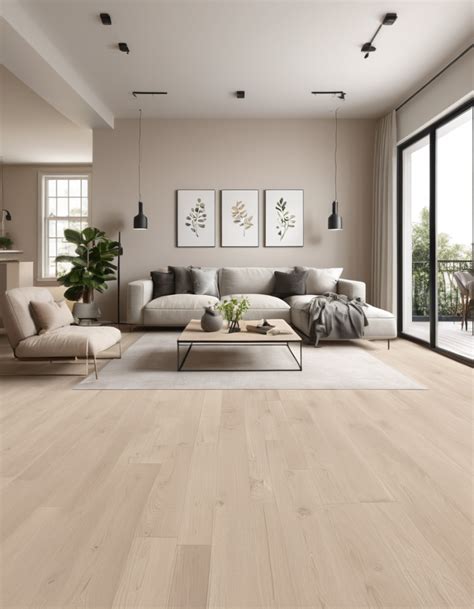
The primary reason light gray floor tiles remain a perennial favorite in interior design is their chameleon-like ability to blend with diverse decorating schemes. Whether a household leans toward minimalist modernism, rustic farmhouse charm, or warm transitional aesthetics, a pale gray tile floor refuses to lock the room into a single design era. This neutral base allows bolder decorative elements, such as colorful upholstery or statement artwork, to take center stage without visual competition.
Furthermore, gray possesses both warm and cool undertones depending on its pigment mix. Homeowners renovating properties with ample natural sunlight can choose cooler slate-gray hues to temper intense afternoon glare, while spaces requiring a cozier ambiance benefit from greige or warm-toned gray tiles. This adaptability ensures that future furniture upgrades or wall color repainting projects will not require ripping up expensive flooring.
Enhancing Space and Light in American Floor Plans
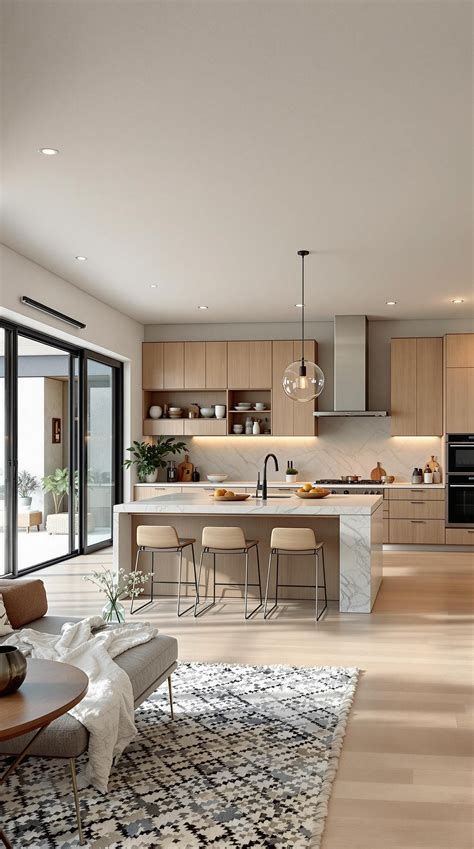
Modern American floor plans frequently emphasize open-concept living, where kitchens, dining areas, and living rooms flow continuously into one another. In these expansive layouts, light gray floor tiles act as a unifying element that creates a seamless visual transition from zone to zone. By maintaining a consistent, light-reflecting surface throughout the main level, the entire home feels more cohesive, airy, and intentional.
Even in smaller rooms or narrow entryways, pale flooring plays a vital psychological trick by bouncing light upward and outward. Rooms instantly feel larger and less confined. When paired with large-format tiles and minimal grout lines, the eye travels smoothly across the floor, eliminating visual clutter and maximizing the perceived square footage of cozy urban bungalows and suburban powder rooms alike.
Practical Maintenance Advantages for Busy Households
Beyond visual appeal, everyday practicality drives the enduring popularity of neutral gray surfaces. Pure white tiles reveal every speck of dust, pet hair, and microscopic crumb, requiring near-constant maintenance to look presentable. Conversely, very dark charcoal or black tiles show footprints, water spots, and lint with frustrating clarity.
Light gray floor tiles hit the sweet spot of low-maintenance living. Dust and ordinary household debris blend naturally into the subtle tonal variations of the tile surface, making them an ideal choice for high-traffic zones like mudrooms, kitchens, and busy hallways. Selecting a matte finish over high polish further conceals minor scuffs and provides better slip resistance, which is an important safety consideration for families with children or aging relatives.
Ideal Rooms and Strategic Placement
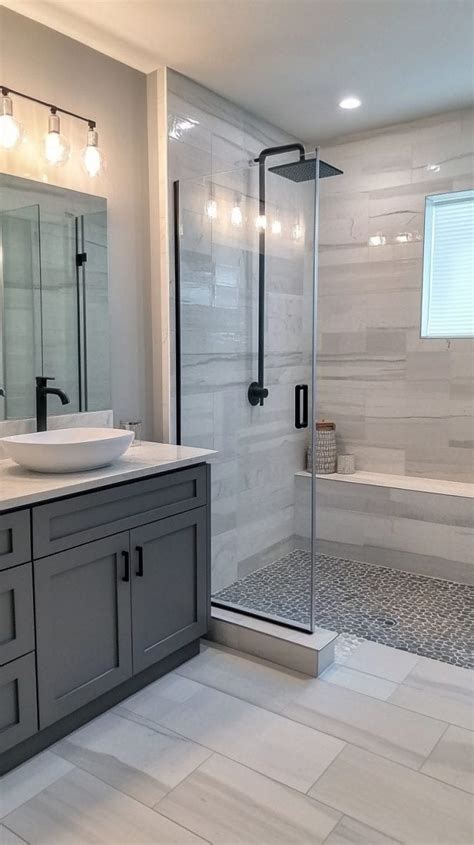
While light gray tiles suit almost any room, certain spaces benefit most from their unique properties. Bathrooms and laundry rooms are prime candidates, as pale gray porcelain or ceramic tiles evoke a clean, spa-like atmosphere while resisting moisture and humidity. Pairing these floors with natural wood vanities or crisp white cabinetry creates an effortlessly chic, timeless interior.
Kitchens also gain tremendous value from gray flooring. Cooking spaces endure heavy foot traffic, dropped utensils, and occasional spills. A durable, light gray tiled floor masks daily wear while offering a resilient surface that withstands heavy kitchen islands and rolling counter stools. By extending this tile choice from the kitchen into an adjoining patio or outdoor living space using indoor-outdoor rated materials, homeowners achieve a fluid, modern transition.
Frequently Asked Questions
Do light gray floor tiles make a room look cold?
Not necessarily. While gray is technically a cool color, many modern light gray tiles feature warm undertones—often referred to as greige. You can easily counteract any perceived coldness by incorporating textured elements like woolen rugs, warm wood furniture, and layered lighting.
Are matte or polished light gray tiles better for high-traffic areas?
Matte finishes are generally recommended for high-traffic or moisture-prone areas like kitchens and mudrooms because they offer superior slip resistance and better conceal everyday dust and scuffs. Polished tiles look luxurious but require more frequent cleaning to prevent water spots.
What wall colors match best with light gray flooring?
Light gray floors are exceptionally versatile. They pair wonderfully with crisp white walls for an airy Scandinavian look, soft beige and taupe for a warm transitional vibe, or moody navy and forest green if you prefer a high-contrast, dramatic interior design statement.


