Furnishing a compact American home or a tight urban apartment presents a distinct set of interior design challenges. When square footage is at a premium, traditional oversized sectionals and bulky coffee tables can quickly overwhelm a room, restricting natural movement and making the space feel cramped. Fortunately, the market for space-saving living room furniture sets in the U.S. has evolved rapidly, offering innovative engineering paired with sophisticated aesthetics. By prioritizing multi-functional pieces, intelligent layout strategies, and scale-conscious dimensions, you can transform a cramped sitting area into an airy, highly efficient sanctuary that meets all your daily needs.
Achieving a balanced look in a small living area requires looking beyond single-purpose items. Instead of buying individual components haphazardly, homeowners and renters benefit greatly from cohesive furniture sets engineered specifically for compact footprints. This guide explores the core strategies, essential multi-functional furniture types, and layout techniques necessary to maximize both style and utility in your home.
Evaluating Essential Space-Saving Furniture Sets for American Homes
When shopping for compact living room configurations across the United States, your primary goal is to find pieces that perform double duty without sacrificing comfort. Standard sofas often dominate a small floor plan, which is why convertible sofa beds and modular sectionals with integrated storage have become apartment staples. These pieces allow you to host overnight guests or store bulky winter blankets out of sight without introducing extra storage furniture into the room.
Another high-impact category includes nesting coffee tables and modular side tables. Traditional heavy coffee tables consume permanent floor space that could otherwise remain open. Nesting sets can be expanded when you need surface area for entertaining or studying, and then tucked neatly underneath one another when floor space is required for movement or yoga. When evaluating these items, pay close attention to the joinery and hardware mechanisms. Smooth-gliding drawer slides, sturdy pneumatic lift tops, and durable metal frames ensure that your investment withstands daily wear and tear in active households.
Maximizing Vertical Space with Wall-Mounted and Modular Units

Floor space is finite in most compact U.S. apartments, but vertical space often remains underutilized. Incorporating wall-mounted shelving units, floating media consoles, and tall, narrow bookcases draws the eye upward, creating an illusion of higher ceilings and greater volume. Unlike heavy media cabinets that sit directly on the floor, floating consoles free up floor clearance below, which makes the entire room feel significantly lighter and easier to clean.
When planning vertical storage, consider anchoring modular wall units that can adapt as your storage needs change over time. Combining open display shelving with closed cabinetry allows you to showcase curated decorative objects while hiding everyday clutter out of sight. Ensure that wall units are properly anchored into wall studs using appropriate hardware, especially in rental properties where wall modifications need to be clean and secure.
Smart Spatial Planning and Layout Strategies
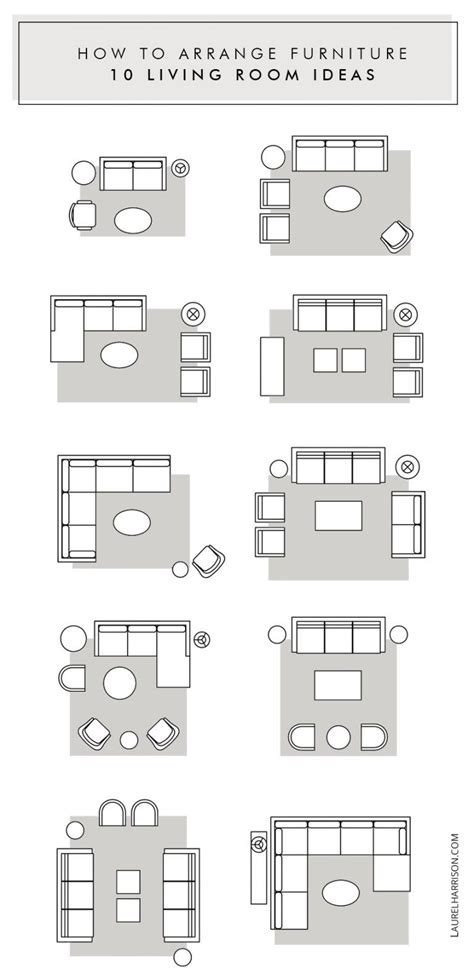
Before purchasing any furniture set, precise spatial planning is vital. Standard U.S. living rooms often feature awkward architectural elements such as multiple doorways, radiators, or open-concept transitions into the kitchen. Start by measuring your room’s exact dimensions, noting the placement of electrical outlets, vent grates, and window swings. Using painter’s tape on the floor to outline proposed furniture footprints is a time-tested technique that helps you visualize the actual walking paths.
In narrow or rectangular living rooms, floating your furniture slightly away from the walls rather than pushing every piece against the perimeter can surprisingly improve flow. While counter-intuitive to some, creating a few inches of breathing room around a compact sofa prevents the room from feeling constricted. Furthermore, positioning mirrors opposite primary light sources reflects natural daylight, instantly expanding the visual boundaries of the space and making compact layouts feel bright and open.
Zoning Open-Concept Floor Plans Without Walls
Many modern American apartments and townhomes feature open-concept living and dining areas. While these layouts promote an airy atmosphere, they can make defining a cozy living room zone difficult. You can establish clear functional boundaries without permanent walls by using strategic furniture placement and area rugs.
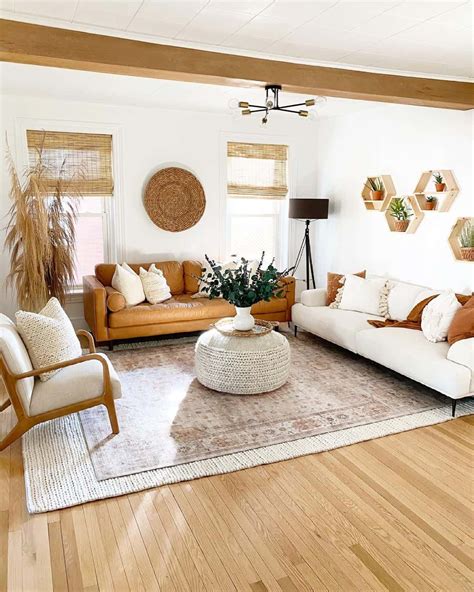
For instance, placing an appropriately scaled sofa with its back facing the dining area instantly establishes a boundary for the living room. Pairing this with a low-profile console table behind the sofa provides a natural drop zone for keys and mail while further dividing the two spaces. An area rug that comfortably anchors your primary seating group will unify the arrangement, creating a defined island of comfort within the larger open floor plan.
Practical Buying Considerations for U.S. Shoppers
Navigating the U.S. furniture market involves understanding delivery logistics, assembly expectations, and return policies. Many space-saving furniture sets ship in flat-pack boxes to accommodate narrow apartment stairwells and elevators. Factor in the time and physical effort required for assembly, and check whether the retailer offers white-glove delivery if complex mechanisms like motorized lift-tops or sleeper mechanisms are involved.
Durability remains a critical factor when choosing multi-functional items. Because these pieces are handled, folded, and transformed more frequently than standard furniture, prioritize solid wood frames, high-density foam cushions, and reinforced steel brackets. Reading customer reviews that specifically address long-term performance will help you filter out flimsy imports and invest in furniture that truly supports your lifestyle for years to come.
Frequently Asked Questions
What furniture sets work best in very small living rooms?
Nesting coffee table sets, modular sectionals with built-in storage compartments, and compact loveseats paired with multi-functional ottomans work best. These pieces reduce clutter by serving multiple purposes while keeping physical footprints small.
How can I make a narrow U.S. living room look bigger?
To make a narrow room look larger, avoid pushing all furniture completely against the walls. Keep furniture low-profile to maintain sightlines, use large mirrors to reflect natural light, and choose light or neutral color palettes that enhance spatial openness.
Are convertible sofa beds durable for everyday use?
Modern convertible sofa beds vary greatly in quality. To ensure daily durability, look for models with kiln-dried hardwood frames, high-resilience foam or pocket-coil mattresses, and robust steel folding mechanisms rather than lightweight wire frames.
How do I arrange furniture in an open-concept apartment?
Use your seating arrangement and area rugs to anchor the living space. Floating your sofa away from the walls and placing a low console table behind it creates a subtle, stylish boundary between the living area and adjacent dining or kitchen zones.