A living room should feel both curated and lived-in, serving as the central gathering place for family life, quiet reading, and entertaining guests across American homes. Architectural character often makes the difference between a generic layout and a space with genuine personality, and introducing custom millwork is one of the most transformative updates you can make. It instantly adds structural depth, conceals daily clutter, and provides a dedicated stage for personal expression.
Whether you live in a historic craftsman bungalow with existing awkward niches or a contemporary suburban build with expansive blank drywall, custom-inspired storage changes how the room functions day-to-day. Below, we explore 24 distinct built-in shelf ideas broken down by style, function, and architectural layout to help you plan your next living room upgrade with confidence.
Classic Fireplace Surrounds and Traditional Built-Ins
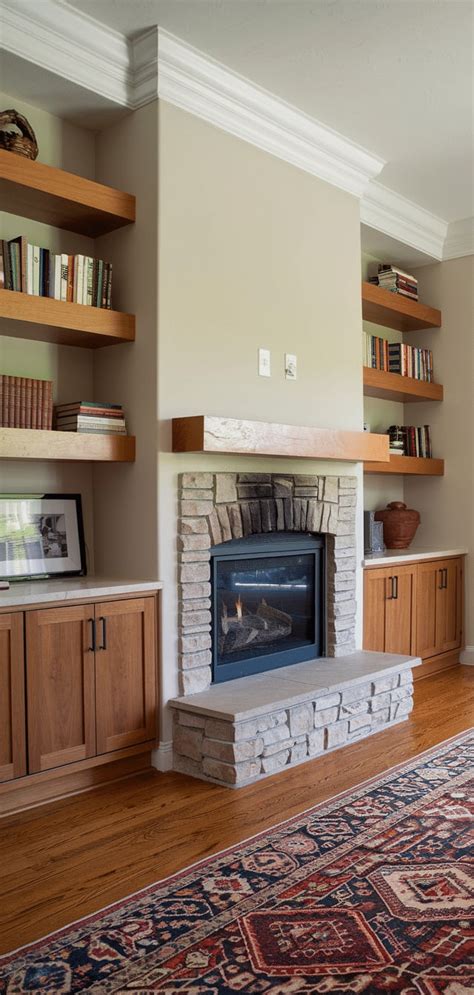
The traditional hearth remains the anchor of many American living rooms, and framing it with symmetrical cabinetry transforms a standard fireplace into a breathtaking focal point. These classic designs merge timeless millwork with functional storage, offering closed cabinets below to hide electronics and open shelves above for art and literature.
When planning a fireplace surround, consider the proportions of your mantel carefully. Matching the depth of the lower cabinets to the hearth projection creates a cohesive silhouette that feels completely integrated into the home’s original architecture. Painting the entire assembly in a rich, saturated tone like dark navy or sage green can elevate a traditional setup into a dramatic statement piece, adding instant heritage value to newer construction homes.
1. Symmetrical Bookshelves Flanking a Brick Hearth
Equal-width bookcases on either side of a brick fireplace provide balanced visual weight. Use adjustable wood shelving to accommodate varying book heights and decorative objects over time, ensuring your display can evolve with your personal collection.
2. Arched Niche Bookcases for Historic Charm
If your home features arched doorways or windows, replicate that soft geometry within your built-in alcoves. Arched top shelves soften the linear rigidity of standard drywall construction, introducing a subtle classical elegance.
3. Shaker-Style Lower Cabinets with Glass Upper Doors
Combine solid Shaker cabinet doors at the base for hidden storage with glass-paned upper doors. This layout keeps delicate collectibles dust-free while maintaining an airy, open feel that brightens the entire room.
4. Traditional Mantelshelf Seamlessly Tied Into Crown Molding
Extend your room’s crown molding directly into the top trim of your shelving units. This seamless carpentry detail tricks the eye into thinking the shelves were built when the house was framed.
Modern Minimalist and Contemporary Wall Units
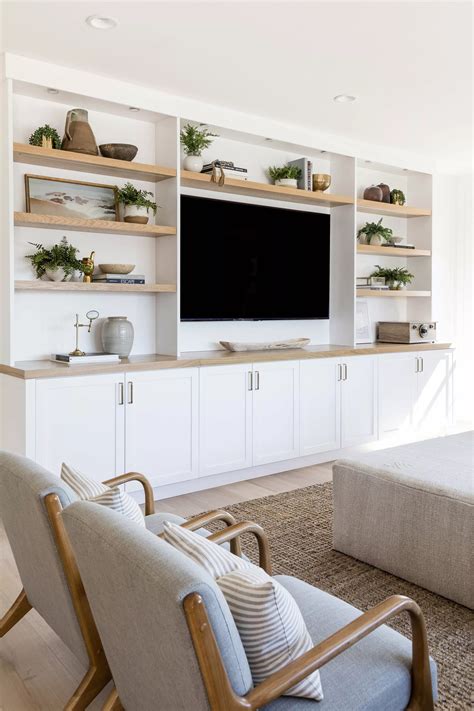
Modern living spaces often favor clean lines, concealed hardware, and uncluttered surfaces. Contemporary built-in shelves prioritize architectural restraint, using floating visual planes, integrated LED lighting, and monochromatic finishes to create a calm atmosphere.
Rather than cramming shelves with knick-knacks, modern minimalist built-ins rely heavily on negative space. The shelving itself becomes a sculptural element, often crafted from white oak, walnut, or matte-painted MDF that blends invisibly into the surrounding wall color. This approach reduces visual noise and creates an expansive, breathable environment in compact urban dwellings.
5. Floating-Effect Vertical Slats
Install vertical wood slats behind open floating shelves to add warmth and subtle texture. This trend adds acoustic softening to rooms with hardwood floors and large windows.
6. Monolithic Floor-to-Ceiling Media Walls
Encase your television within a grid of custom cabinetry. Surround the screen with matching paneling so it visually disappears when turned off, keeping the focus on books and art.
7. Warm Walnut Slab Shelving with Integrated LED Strips
Recess thin LED strip lighting beneath each shelf to cast a warm glow across your display items. This eliminates harsh overhead shadows and acts as soft evening mood lighting.
8. Asymmetrical Box Compartments
Break away from rigid grids by mixing vertical dividers with horizontal spans of varying lengths. This creates dynamic shadow lines and allows for oversized art pieces.
Functional Multi-Taskers: Desks, Nooks, and Hidden Spaces
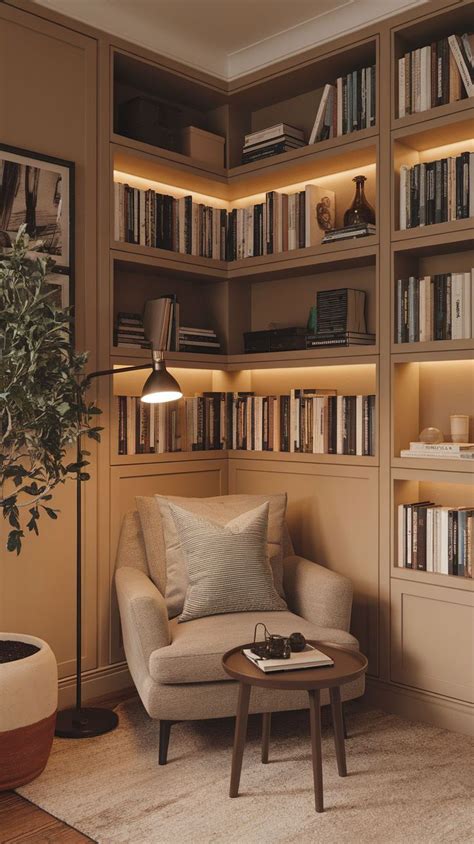
In modern U.S. floor plans, living rooms frequently double as home offices, homework stations, or reading sanctuaries. Integrating a functional workspace directly into your built-in shelving system maximizes square footage without sacrificing aesthetic appeal.
By incorporating a drop-down desktop or a cozy window seat flanked by bookshelves, you transform dead wall space into hardworking square footage. This approach is particularly effective in urban apartments and suburban homes where dedicated home offices are scarce, ensuring every square inch serves multiple purposes without cluttering the main floor plan.
9. The Hidden Secretary Desk Built-In
Integrate a fold-down desktop panel into the center of your bookshelf unit. When closed, it looks like a standard cabinet door; when open, it provides a functional laptop workstation.
10. Window Seat Reading Nook with Bookcase Surrounds
Frame a sunny living room window with custom bookshelves and build a cushioned bench seat underneath. Add deep drawers beneath the seat for extra throw blanket storage.
11. Integrated Bar Cabinet with Mirror Backing
Carve out a central section of your shelving for a home bar. Line the back panel with antique mirror glass and install glassware racks for effortless weekend entertaining.
12. Pet-Friendly Built-In Reading Den
Design the lower cabinet of your bookshelf unit with an open cut-out cubby tailored as a cozy sleeping nook for your dog or cat, keeping pet beds out of the main walking path.
Clever Solutions for Small Spaces and Apartments
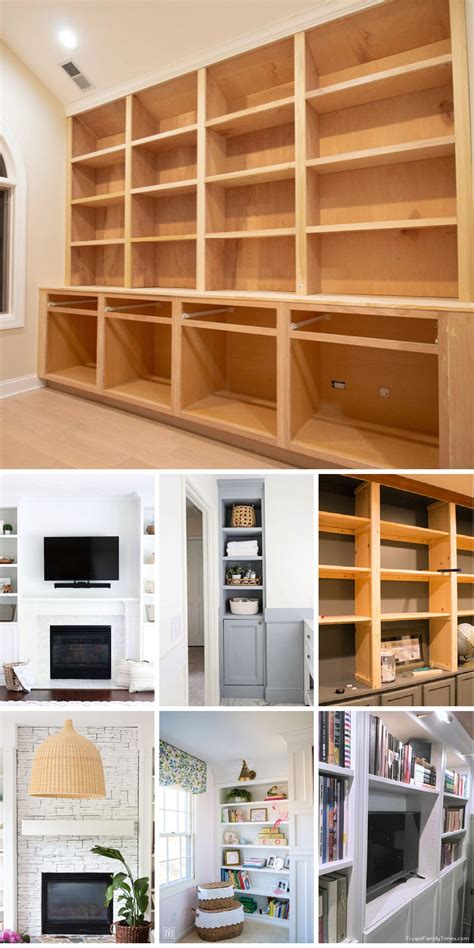
Limited square footage does not mean you have to abandon the luxury of built-in storage. Small living rooms benefit immensely from vertical design strategies that draw the eye upward and utilize awkward architectural quirks.
When working with compact layouts, depth is your primary consideration. Shelves do not need to be twelve inches deep to be useful; shallow ledges measuring six to eight inches are more than sufficient for paperbacks, framed photos, and small trailing plants. By keeping the profile slim, you preserve valuable floor space while still gaining significant vertical storage capacity.
13. Corner-Wrapping Floating Ledges
Utilize dead corner space by installing continuous floating shelves that wrap around interior wall junctions, transforming an awkward void into a continuous display gallery.
14. Floor-to-Ceiling Bookshelves Framing a Doorway
Build a custom storage bridge over and around a living room entrance door. This surrounds the portal with books and decorative objects, turning a transitional walkway into a library wall.
15. Renter-Friendly Tension-Rod and Board Systems
Achieve the built-in aesthetic without drilling permanent holes by utilizing floor-to-ceiling pressure-mounted vertical tracks with customizable shelf brackets.
16. Low-Profile Media Console with Vertical Riser Shelves
Combine a long, low floating credenza with vertical upright dividers that stretch up the wall, giving the illusion of a massive built-in unit with minimal footprint.
Unique Design Statements and Creative Millwork
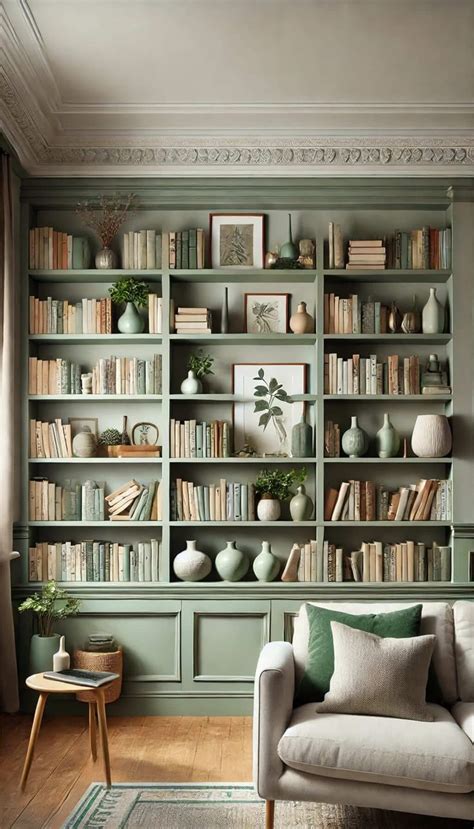
For homeowners looking to push boundaries, custom millwork offers an opportunity to inject personality and unexpected materials into the living room landscape.
From color-drenched monochromatic walls to unexpected textural backdrops like cane webbing or beadboard, these creative details elevate standard shelving into custom architecture. Incorporating these tactile elements adds layers of visual interest that plain painted drywall simply cannot achieve.
17. Color-Drenched Shelving and Walls
Paint your walls, baseboards, crown molding, and built-in shelves the exact same matte color. This modern technique blurs room boundaries and creates an intimate, cocoon-like atmosphere.
18. Cane Webbing Cabinet Door Inserts
Replace solid wood cabinet panels with natural woven cane webbing to add breezy texture and allow remote control signals to pass through to media electronics.
19. Tongue-and-Groove Beadboard Backing
Install vertical beadboard paneling on the interior back wall of your open bookshelves before painting. This traditional millwork adds instant cottage charm and subtle shadow play.
20. Floating Ledges with Leather Strap Brackets
Suspend wooden shelves from the ceiling or wall studs using heavy-duty saddle leather straps, blending rustic warmth with industrial minimalism.
Styling and Material Selection Best Practices
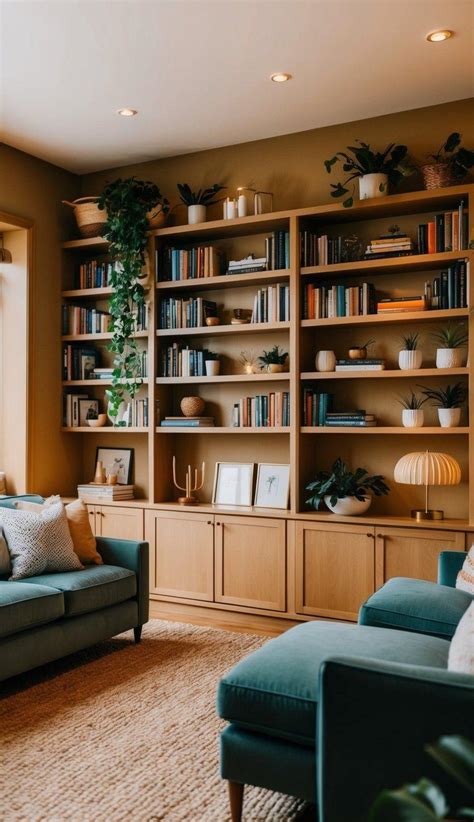
Once your built-in shelves are installed, the styling process brings the entire vision to life. A balanced display requires a thoughtful mix of vertical and horizontal book stacks, organic textures, and breathing room.
Avoid the temptation to fill every square inch of available surface area. Leave roughly thirty percent of your shelf space completely empty to let the architectural lines of the carpentry shine through. Alternate heavy items like ceramic vases and stacked coffee table books with lightweight elements such as trailing pothos vines and framed artwork to create visual equilibrium.
21. The Rule of Thirds in Shelf Arrangement
Group decorative objects in odd numbers—trios usually look most natural to the human eye. Vary the heights within each grouping to create subtle diagonal movement across the shelf.
22. Layering Art Against Books
Lean small framed prints or canvases directly in front of your book stacks. This adds visual depth, allowing you to hide awkward wall plugs while introducing gallery-style dimension.
23. Incorporating Living Greenery
Weave trailing plants like heartleaf philodendrons or cascading pothos onto higher shelves so their vines soften the rigid vertical lines of the cabinetry.
24. Curated Color-Coded Book Displays
While not for every purist, grouping books by spine color or turning pages inward toward the wall creates a soothing, monochromatic texture that minimizes visual clutter.
Frequently Asked Questions
What are the best built-in shelf ideas for small living rooms?
For compact spaces, focus on shallow-depth shelving (6 to 8 inches) and vertical floor-to-ceiling designs that draw the eye upward. Utilizing awkward corners or framing doorways with continuous shelving maximizes storage without eating into precious floor area.
How can I style built-in shelves to look professional?
Professional styling relies on balance, negative space, and varied textures. Leave about 30% of your shelving empty, group items in odd numbers, mix vertical book stacks with horizontal ones, and layer small framed art pieces in front of larger items.
What materials work best for living room built-ins?
High-density MDF (Medium-Density Fiberboard) is ideal if you plan to paint your shelves, as it provides an ultra-smooth finish without warping. For natural wood finishes, white oak, walnut, and maple offer exceptional durability and timeless aesthetic warmth.
Can renters achieve a built-in look without permanent installation?
Yes. Renters can create a custom look by using heavy-duty tension-mounted shelving systems, anchoring modular bookcases securely to the wall with minimal hardware, or styling freestanding bookcases with custom trim molding at the top and bottom.