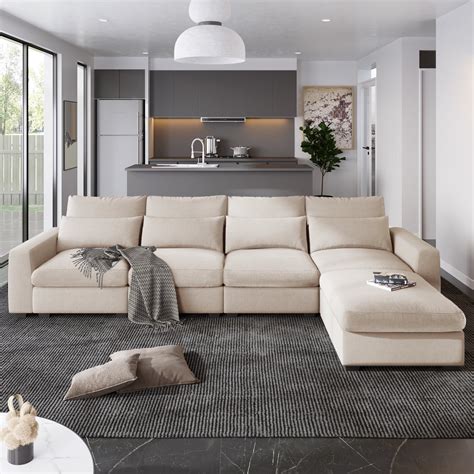
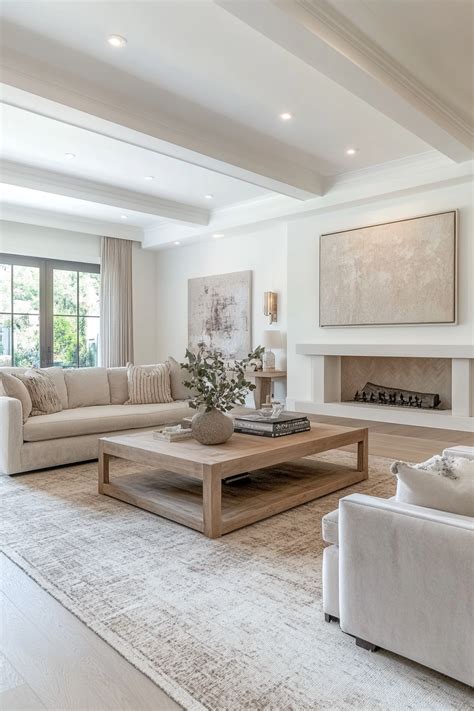
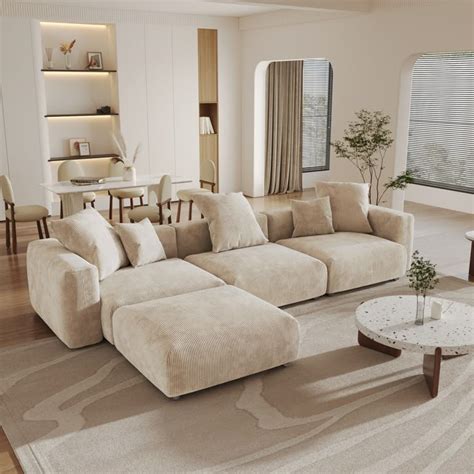
Creating a home that feels both stylish and deeply comfortable often comes down to choosing pieces that adapt to your lifestyle rather than dictating it. For many American homeowners and renters, the challenge lies in balancing aesthetics with everyday utility, especially when working with standard suburban floor plans or compact urban apartments. Embracing a flexible approach to interior design allows your living spaces to evolve alongside your daily routines without requiring constant overhauls.
Aaron Living’s approach to home decor centers on this exact philosophy, offering versatile design elements that fit seamlessly into various aesthetics, from modern minimalist to cozy transitional. By focusing on multi-functional items, tactile comfort, and timeless silhouettes, you can curate an environment that feels grounded, personal, and effortlessly put together. Understanding how to integrate these decor elements starts with recognizing the unique spatial needs of your home.
Defining Versatile Home Decor for Modern U.S. Living Spaces
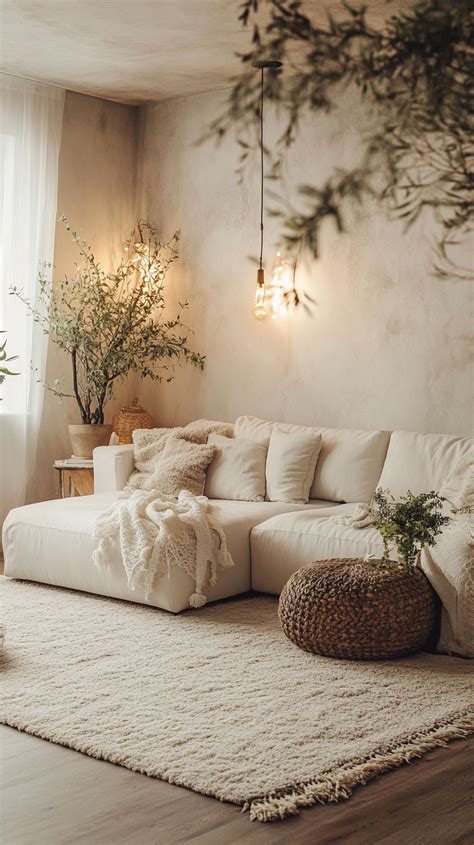
Versatility in home decor means selecting items that can easily transition between different rooms, serve multiple functions, or adapt to shifting design preferences over time. In typical American residences—ranging from open-concept suburban houses to compact city apartments—flexibility is a primary design asset. A decor piece that works brilliantly as a focal point in a spacious living room should ideally have the structural adaptability to anchor a smaller den or studio corner.
When evaluating decor through this lens, material and scale matter immensely. Neutral color palettes, organic textures, and clean profiles allow individual items to blend into diverse backdrops rather than locking a room into a single trend. Aaron Living’s design ethos emphasizes these adaptable traits, making it easier for residents to refresh their spaces seasonally by swapping out smaller accents like textiles, throws, and decorative vessels while keeping foundational furniture and larger decor pieces intact.
Key Styling Strategies for Living Rooms and Open-Concept Areas
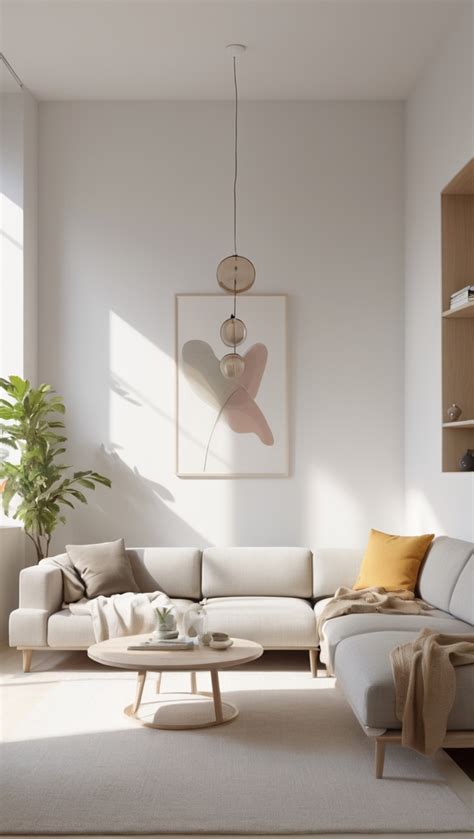
The living room is typically the central gathering space in U.S. homes, requiring a careful balance between welcoming comfort and polished style. To achieve this, layering textures is essential. Combining smooth ceramic finishes with woven fabrics, wood grains, and brushed metals creates visual depth that prevents a room from feeling flat or overly staged. Aaron Living decor items often incorporate these mixed-material details, helping you build a rich, tactile environment naturally.
In open-concept layouts where the living room flows directly into the dining or kitchen zones, maintaining visual continuity is vital. Instead of matching every single piece of furniture, anchor each zone with consistent design threads, such as repeating a specific metallic finish or color accent across rooms. This creates a cohesive narrative without making the overall layout feel rigid or overly coordinated, supporting a relaxed yet sophisticated atmosphere.
Balancing Aesthetic Appeal with Everyday Practicality

True comfort in interior design goes beyond plush cushions and soft lighting; it encompasses how effortlessly your home functions for your daily habits. Decor choices should enhance your routine rather than obstruct it. For instance, decorative trays can corral everyday clutter on a coffee table, while durable, washable textiles ensure that high-traffic areas remain inviting even with pets, children, and frequent guests sharing the space.
When incorporating statement pieces, always consider their physical footprint and how they interact with natural pathways through the room. Aaron Living pieces are designed keeping real-world functionality in mind, ensuring that items provide visual interest without compromising the flow of movement. Striking this balance means you never have to choose between a gorgeous interior and a livable, stress-free home environment.
Adapting Decor for Renters Versus Long-Term Homeowners
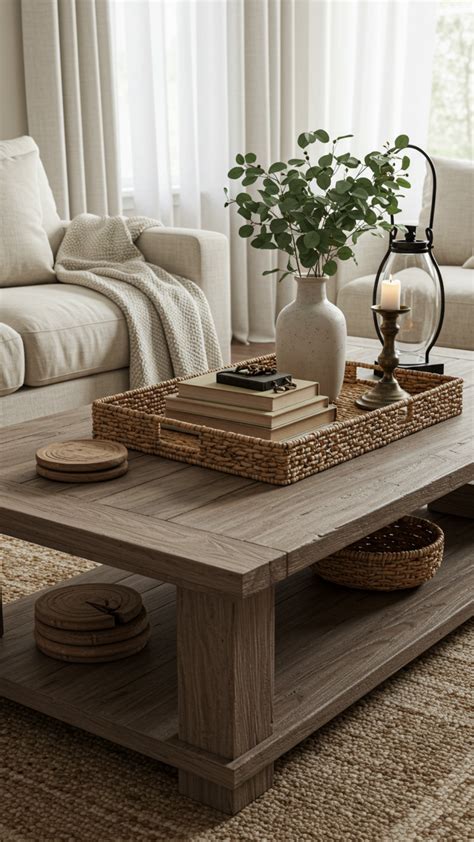
Whether you are leasing an apartment or settling into a permanent home, your decor strategy should respect your architectural boundaries while maximizing your personal expression. Renters often face restrictions regarding permanent modifications like painting walls or installing heavy wall fixtures, making tabletop decor, freestanding shelving, and textile layers crucial tools for injecting personality into a neutral box.
Homeowners, on the other hand, have the flexibility to integrate more permanent built-ins and architectural accents but still benefit from adaptable decor that can move from room to room as family needs change. Investing in versatile, high-utility decor pieces ensures that your investment travels with you if you relocate or simply decides to rearrange your layout for a seasonal room refresh.
Frequently Asked Questions
How can I make my living room look cohesive using Aaron Living decor?
Focus on repeating a few key textures or color tones throughout the space, such as pairing woven natural elements with consistent metallic accents. Start with larger foundational pieces and layer in smaller decor items gradually to maintain visual balance.
Are versatile decor items suitable for small apartments?
Yes, versatile decor is ideal for small apartments because multi-functional pieces and adaptable accessories prevent visual clutter while maximizing the utility of every square foot.
What is the best way to transition my home decor between seasons?
Instead of changing major furniture items, swap out lighter textiles like linen throws and summer pillows for warmer wool or velvet textures in the autumn. Update tabletop accessories and floral arrangements to reflect seasonal color palettes easily.