Decorating a spacious or open-concept living room presents a unique set of design challenges. While square footage is often viewed as the ultimate luxury in American real estate, an oversized room can quickly feel cavernous, cold, or disjointed if it lacks a clear spatial strategy. Whether you are settling into a suburban rental with soaring ceilings or updating a permanent family home, transforming a vast footprint into an inviting sanctuary requires careful attention to scale, proportion, and purposeful layout planning.
Addressing spatial overwhelm begins with understanding that you do not need to fill every square inch of floor space to make a room feel complete. Instead, successful large room design relies on intentional zoning, cohesive color palettes, and balanced lighting. By integrating adaptable solutions for both leaseholders and property owners, you can curate a personalized environment that honors both your aesthetic vision and your practical everyday lifestyle.
Mastering Scale and Proportion in Expansive Spaces
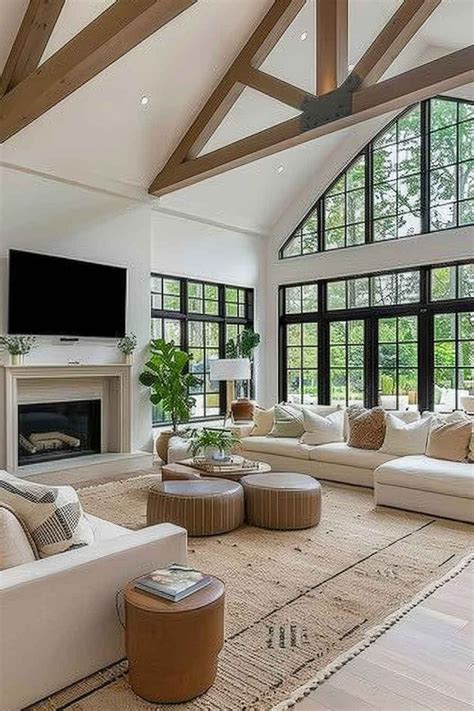
One of the most common mistakes in large living room design is utilizing undersized furniture that floats awkwardly in the middle of the room. When dealing with generous square footage, standard apartment-sized sofas and tiny accent tables will immediately look out of place, making the room feel unintentionally sparse. To anchor the space, opt for substantial anchor pieces such as deep-seated sectional sofas, oversized coffee tables, and heavy wood or upholstered sideboards that command visual weight.
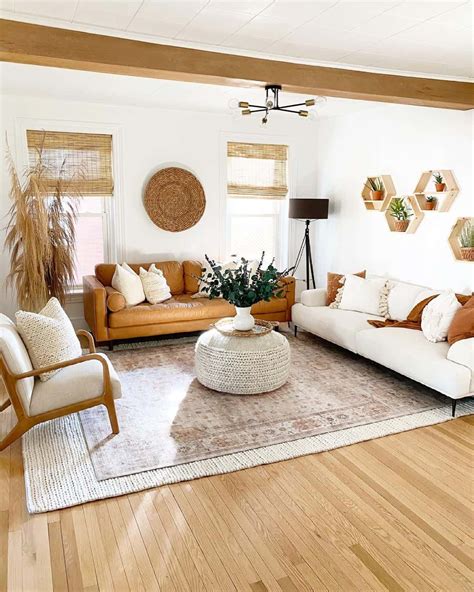
Area rugs serve as the primary foundational tool for defining functional zones within a large room. In a sprawling U.S. living space, avoid small accent rugs that sit isolated beneath a coffee table. Instead, look for generously sized rugs—such as 9×12 or 10×14 formats—that allow all main furniture legs to rest comfortably on the fabric surface. This simple adjustment visually ties the seating arrangement together, creating a unified island of comfort amidst the larger architectural backdrop.
Creating Multifunctional Zones: Renters vs. Homeowners
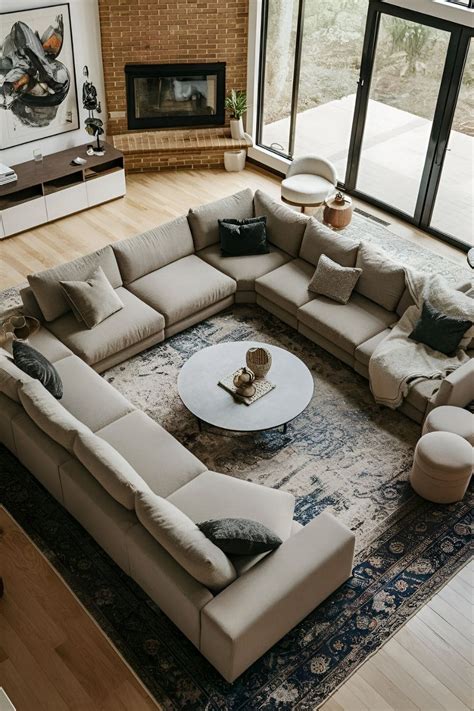
Large living rooms often function as multi-purpose hubs, accommodating reading nooks, media viewing, and conversational circles all at once. Structuring these distinct areas requires smart layout planning that respects traffic flow while establishing cozy sub-environments within the broader floor plan. The approach you take will largely depend on whether your living situation is temporary or permanent.
Renter-Friendly Zoning Solutions
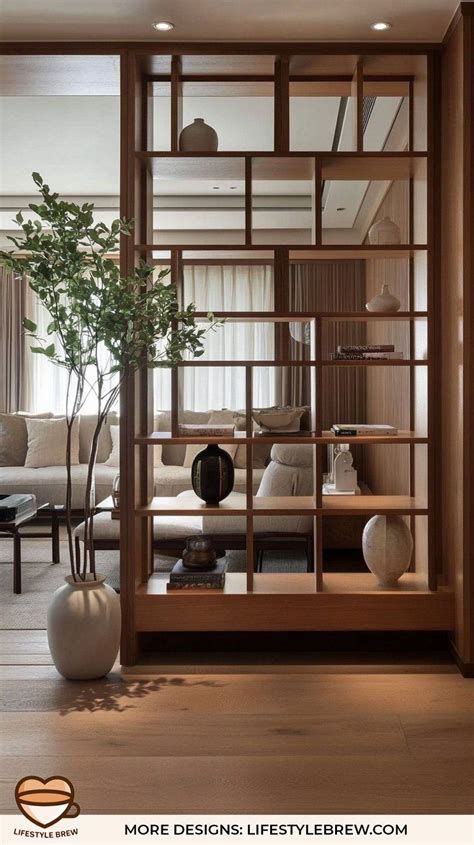
For apartment dwellers and renters, structural changes are usually off-limits, meaning your zoning strategies must rely entirely on non-permanent furnishings. Utilize tall, open-backed bookcases placed perpendicularly against a wall to subtly partition a reading zone from a main conversational grouping without blocking natural light. Freestanding folding screens, modular sectionals with adjustable configurations, and strategically placed floor plants also provide exceptional division without violating lease agreements or requiring wall anchors.
Homeowner Architectural Upgrades
Homeowners have the freedom to introduce permanent architectural elements that naturally segment massive spaces. Installing custom built-in bookshelves, decorative ceiling beams, or partial dividing walls can break up a monotonous layout while adding substantial resale value to the property. Additionally, investing in a custom double-sided fireplace or creating a raised platform seating area provides permanent architectural character that inherently grounds an otherwise overwhelming room.
Illuminating High Ceilings and Vast Wall Spaces
Lighting is another critical element that dictates the mood and perceived warmth of a large living room. Relying solely on a single overhead ceiling fixture will leave expansive corners in shadow and make the center feel stark. Layered lighting is essential, incorporating ambient fixtures, task lighting, and warm accent lamps positioned at varying heights throughout the room to draw the eye upward and outward.
High walls in modern U.S. homes can easily feel intimidating, but they offer a wonderful canvas for creative expression. Homeowners can install grand picture-frame molding or statement wall paneling to add textural interest. Meanwhile, renters can achieve a similar high-impact look by hanging oversized gallery walls using heavy-duty, damage-free hanging strips or utilizing large-scale vertical canvas art that commands attention without damaging the underlying drywall.
Frequently Asked Questions
How do I arrange furniture in a large living room so it doesn’t feel empty?
Pull your furniture away from the walls to create a floating conversation area in the center of the room. Use a large area rug to anchor the primary seating group, and pair it with substantial furniture pieces like a sectional or a full sofa accompanied by matching armchairs.
What are some renter-friendly ways to decorate a spacious living area?
Renters can use modular furniture, open-backed shelving units as room dividers, large-scale peel-and-wallpaper accent walls, and tall indoor plants to fill vertical space without violating lease terms or causing permanent wall damage.
How can I create cozy conversation areas in a cavernous room?
Break the vast floor plan into distinct functional zones by using different area rugs, lighting groups, and furniture layouts. Position seating facing inward toward each other rather than outward toward the room edges to foster an intimate, welcoming atmosphere.
What size rug do I need for a large living room?
In large living rooms, opt for oversized rugs such as 9×12 or 10×14 feet. The goal is to ensure that at least the front legs of all major seating furniture rest comfortably on the rug to visually tie the layout together.