Designing a living room that serves as a true sanctuary requires a thoughtful balance between aesthetic appeal and environmental responsibility. For many homeowners and renters across the United States, creating a calming atmosphere starts from the ground up with the furniture we choose to live with every day. Integrating sustainable elements into your primary gathering space not only reduces your household’s carbon footprint but also elevates the daily sensory experience of your interior environment.
When you focus on eco-friendly green living room furniture, you unlock a dual benefit: the physiological comfort of natural, non-toxic materials and the psychological serenity inspired by the color green. Navigating this design path successfully involves understanding what makes a piece genuinely sustainable, identifying transparent manufacturing standards, and learning how to blend these earthy tones into your existing American home layout without overwhelming the room.
The Psychology of Green: Cultivating Peace at Home
Color plays a profound role in shaping our emotional states, particularly within high-traffic areas like the living room where families unwind after long days. The color green sits squarely in the center of the visible light spectrum, requiring the human eye to make virtually no adjustment to perceive it. This effortless visual processing translates directly into a feeling of restfulness, equilibrium, and mental renewal within interior settings.
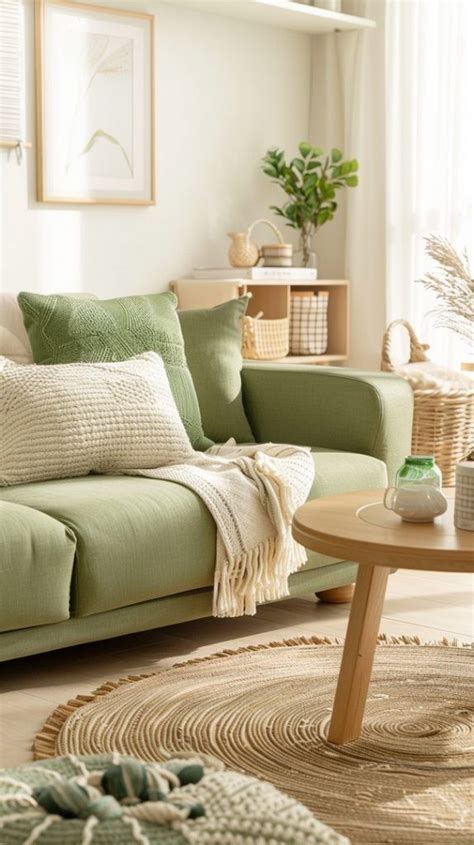
Choosing living room furniture upholstered in rich olive, sage, or eucalyptus tones introduces a grounding element that mimics the outdoors. In contemporary American homes—which often feature open-concept layouts, stark architectural lines, or neutral drywall—a green velvet sofa or an earth-toned reclaimed wood media console acts as an organic anchor. It softens the hard edges of modern architecture and establishes an immediate atmosphere of quiet retreat and grounded stability.
Connecting Indoor Spaces with Nature
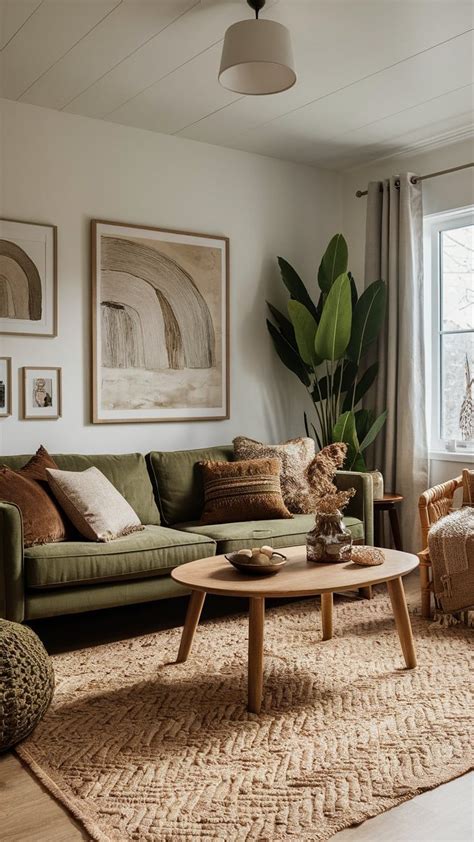
Incorporating biophilic design principles through sustainable furnishings helps bridge the gap between urban or suburban living and the natural world. Furniture crafted from raw, unfinished, or minimally treated woods alongside natural fabrics like organic linen or wool enhances tactile engagement. When you touch a textured moss-green upholstery fabric or a solid ash coffee table, your brain registers those sensory cues as safe and natural, lowering cortisol levels and fostering deeper relaxation.
Strategic placement of these green-hued pieces near natural light sources further amplifies their tranquil properties. Morning or afternoon sunlight catching a forest-green armchair brings subtle shifts in shade throughout the day, mimicking the dynamic yet calming light patterns found in nature. This approach avoids static, sterile interiors, replacing them with living spaces that feel responsive, breathing, and deeply restorative.
Defining True Sustainability in Living Room Furnishings
With market shelves full of products labeled as eco-friendly, separating genuine sustainability from clever marketing claims is essential for mindful shoppers. True eco-friendly furniture relies on renewable, recycled, or responsibly harvested materials paired with non-toxic finishes, glues, and foams. Conventional furniture often releases volatile organic compounds (VOCs) into indoor air over several years, whereas sustainable alternatives prioritize air quality and human health.
Durability remains a cornerstone of ecological design because the greenest piece of furniture is the one you never have to replace. Investing in robustly constructed frames made from kiln-dried hardwoods or recycled steel ensures a long service life, keeping bulky items out of American landfills. When evaluating a potential purchase, look closely at the internal construction details, such as mortise-and-tenon joinery, rather than just focusing on the surface appearance.
Key Materials to Prioritize
Selecting the right materials forms the foundation of a low-impact living room transformation. Solid woods certified by reliable forestry organizations ensure that harvested timber is replaced through reforestation efforts. For upholstered items like sofas and accent chairs, prioritize internal padding made from natural latex, organic wool, or recycled polyester fibers instead of petroleum-based polyurethane foam.
Fabrics also demand careful scrutiny when curating a healthy living space. Opt for unbleached organic cotton, Belgian linen, or hemp textiles dyed with low-impact, water-based colorants. These materials not only feel noticeably softer and more breathable against the skin, but they also biodegrade safely at the end of their lifecycle, closing the loop on consumer waste.
Navigating Trustworthy Certifications and Standards
Because greenwashing is prevalent in the furniture industry, relying on independent third-party certifications provides a reliable safety net for buyers. These credentials require rigorous testing and supply-chain auditing, ensuring that the sustainability claims made by manufacturers are backed by verifiable evidence.
When shopping for U.S. living room furniture, keep an eye out for labels such as the Forest Stewardship Council (FSC) for wood products, which guarantees responsible forest management. For indoor air quality and chemical safety, GREENGUARD Gold and OEKO-TEX Standard 100 certifications offer strong validation that the materials are free from harmful heavy metals, formaldehyde, and toxic flame retardants.
Avoiding Greenwashing Pitfalls
Manufacturers often use vague terminology like “eco-chic,” “natural look,” or “earth-friendly” without providing concrete details about their supply chains or chemical treatments. A truly sustainable brand will transparently publish its manufacturing processes, material origins, and chemical safety test results on its website or product documentation.
If a company cannot explain where its wood is sourced or what chemicals are used in its stain and fabric treatments, proceed with caution. Genuine sustainability thrives on transparency. Asking direct customer service questions about frame origins and cushion composition is a practical way to test a brand’s commitment before making a significant investment for your home.
Styling Eco-Friendly Green Furniture in American Living Rooms
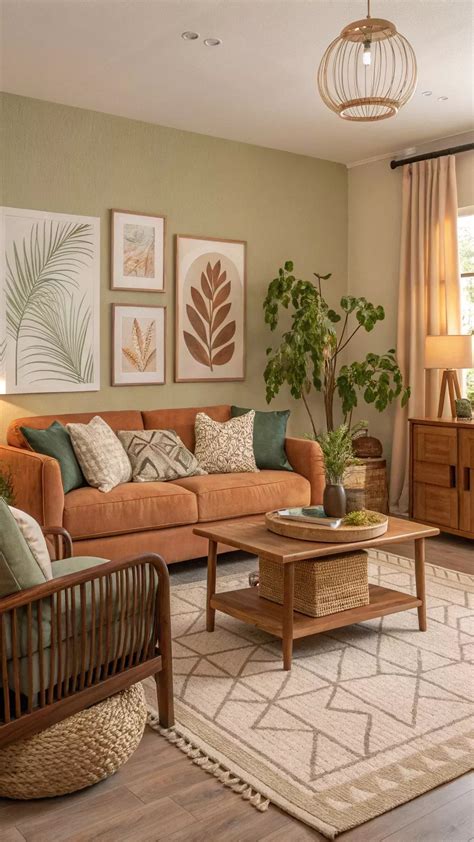
Integrating green-toned sustainable furniture into your home does not mean your space has to resemble a forest reserve. Versatile shades like sage, moss, and pine adapt effortlessly to a variety of interior design styles, from mid-century modern and Scandinavian minimalist to warm transitional and modern farmhouse.
To prevent a green sofa or accent chair from dominating the room entirely, balance the color with neutral backdrops such as warm cream, soft beige, or pale terracotta walls. Layering in textures like jute rugs, ceramic vases, and house plants creates a cohesive, collected-over-time aesthetic that feels deeply personal rather than catalog-driven.
Balancing Scale and Proportion
Living rooms in the U.S. vary drastically in size, from compact urban apartments to sprawling suburban open-concept floor plans. When choosing larger eco-friendly pieces like a sectional sofa, measure your space meticulously and account for natural traffic pathways. A deep forest-green sectional can anchor a large room beautifully, while a sleek sage loveseat or armchair paired with a light-wood coffee table keeps smaller spaces feeling light and expansive.
Accessorizing plays a vital role in tying the room together without cluttering it. Pair your green seating with artisan throw pillows made from deadstock fabrics or hand-thrown pottery that highlights organic imperfections. These subtle touches emphasize the handmade, conscious nature of your decor, completing a tranquil living environment designed to last for decades.
Frequently Asked Questions
What makes living room furniture truly eco-friendly?
True eco-friendly furniture uses responsibly sourced or recycled materials, non-toxic glues and finishes, and durable construction methods designed to last for many years, minimizing landfill waste and indoor air pollution.
How do green furniture choices promote tranquility?
The color green is processed easily by the human eye, inducing a sense of calm and balance. Combined with natural, tactile materials, green furnishings help lower stress and create a grounded, restorative home atmosphere.
What certifications should I look for when buying sustainable furniture?
Look for FSC (Forest Stewardship Council) certification for wood, GREENGUARD Gold for low chemical emissions and indoor air quality, and OEKO-TEX Standard 100 for safe, non-toxic textiles.
Can eco-friendly green furniture fit into a neutral modern living room?
Yes, muted green tones like sage or olive act as sophisticated neutrals. They pair seamlessly with warm creams, natural woods, and minimalist color palettes without overwhelming the space.