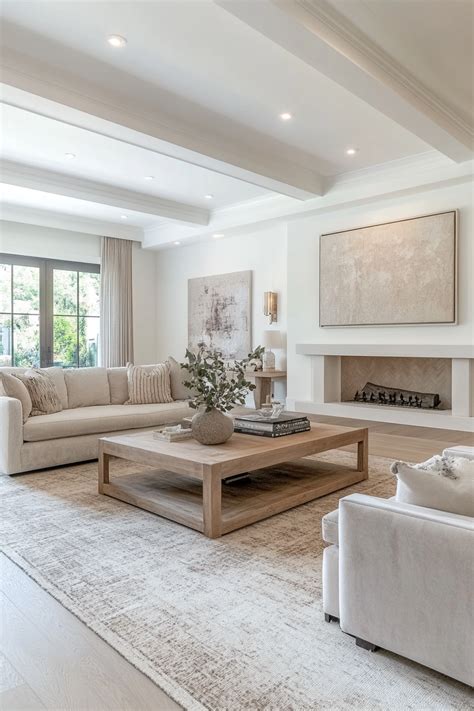
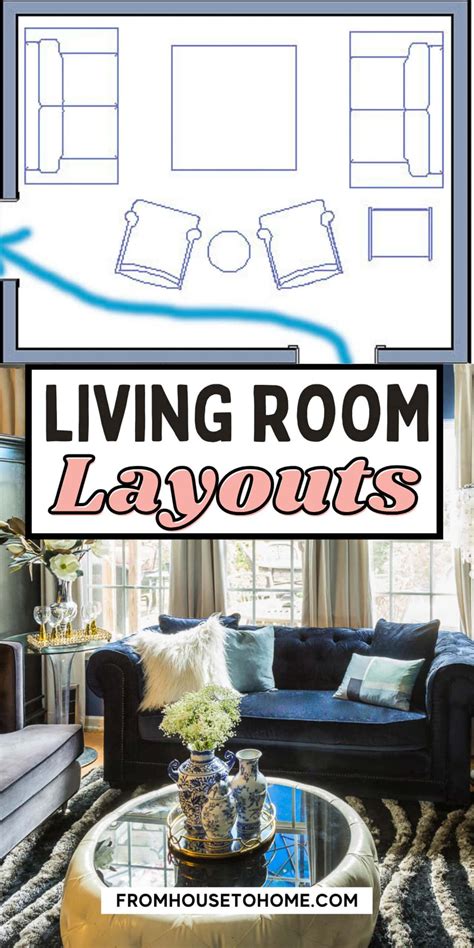
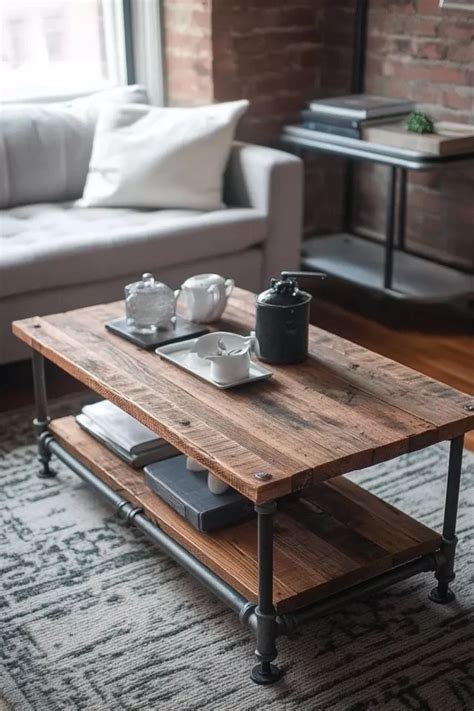
Shopping for living room furniture in the United States often feels like navigating a maze of conflicting priorities. Whether you are leasing a compact urban apartment or settling into a spacious suburban single-family house, your environment dictates what makes a piece genuinely worthwhile. Renters require flexibility, lightweight scaling, and components that survive tight stairwells and frequent leases. Homeowners, by contrast, look toward long-term investments, solid joinery, and statement items that anchor a room for decades.
Understanding these distinct housing realities helps cut through marketing noise to focus on top-rated living room furniture that performs reliably in real life. By evaluating how items handle daily wear, spatial shifts, and evolving personal tastes, you can curate a gathering space that feels both intentional and effortlessly comfortable. This guide breaks down the core decision criteria for both renters and owners, ensuring your next furniture investment delivers lasting value.
Modular Solutions and Flexibility for Apartment Renters
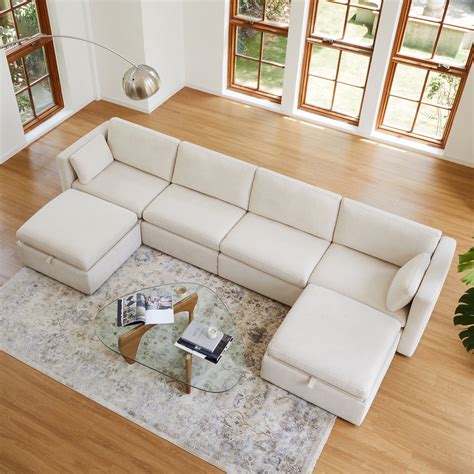
For individuals renting apartments or townhomes across the U.S., mobility is often the defining factor in every purchasing decision. A massive sectional sofa that looks magnificent in a sprawling suburban showroom might prove completely incompatible with a narrow third-floor hallway or a compact city living room. This is why modular sectionals, nesting tables, and lightweight accent chairs consistently earn top marks from urban dwellers who value adaptability over rigid permanence.
Modular living room furniture allows you to reconfigure layouts as your square footage changes from one lease to another. A chaise lounge that sits on the left side of your sofa today might need to shift to the right in your next apartment. Choosing pieces with bolt-together frames rather than glued joints also simplifies the disassembly process, minimizing structural damage during moves. Renters benefit greatly from multifunctional items like storage ottomans or coffee tables with lift tops, which reduce overall clutter without requiring additional footprint space.
Investment-Worthy Statement Pieces for Permanent Homeowners
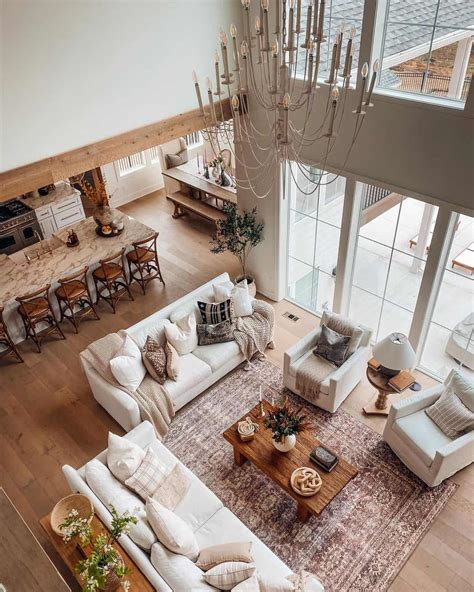
Homeowners approach the furniture market with a completely different set of long-term goals. Because permanence eliminates the anxiety of future moving trucks and narrow doorways, the primary focus shifts toward heirloom quality, robust construction, and timeless visual appeal. Investing in top-rated living room furniture means prioritizing kiln-dried hardwood frames, eight-way hand-tied spring suspensions, and high-resilience foam cushions that maintain their support year after year.
When you own your home, a signature sofa or a handcrafted solid-wood media console functions as an architectural anchor for the entire main floor. Rather than chasing fleeting micro-trends, homeowners often select neutral, high-performance upholstery fabrics paired with striking accent chairs or artisanal coffee tables. This foundation allows you to update the room’s mood seasonally through smaller accessories like throw pillows, rugs, and artwork without needing to replace core structural investments.
Prioritizing Durability, Fabrics, and High-Traffic Living

Regardless of whether you own or rent, modern living rooms are heavily utilized zones that double as home offices, playrooms, and entertainment hubs. Finding furniture that withstands daily life requires a close examination of fabric specifications and structural materials. High-performance wovens, solution-dyed acrylics, and heavily treated leather options offer superior resistance to stains, pet claws, and fading from direct sunlight through large picture windows.
When evaluating sofas and armchairs, always check the manufacturer’s cleaning code and abrasion rating, often measured in double rubs. Fabrics rated for heavy-duty residential use typically exceed 30,000 double rubs, ensuring they will not thin or fray prematurely. Furthermore, families with children or pets should look for slipcovered designs that allow for easy machine washing or spot cleaning, bridging the gap between sophisticated aesthetics and everyday practicality.
Balancing Scale, Proportion, and Traffic Flow in U.S. Floor Plans
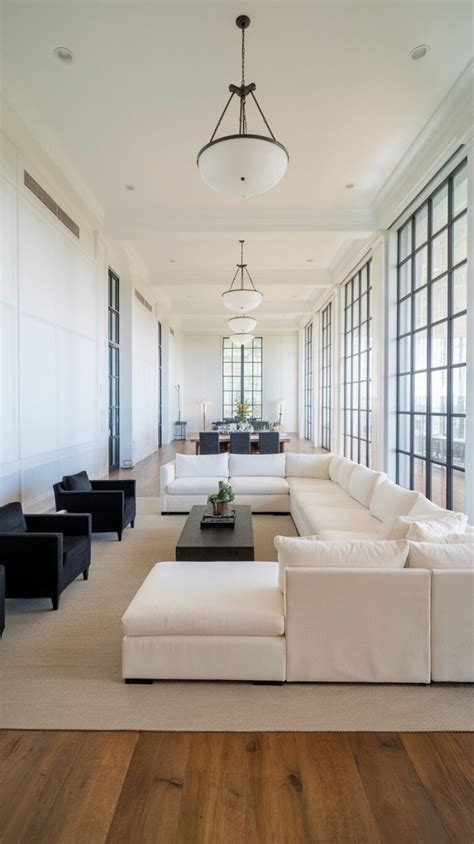
One of the most common pitfalls in living room design is misjudging the scale of furniture relative to the room’s actual dimensions. In open-concept American floor plans, oversized furniture can make a large space feel strangely disjointed if floating incorrectly in the middle of the room. Conversely, diminutive apartment-sized pieces can look lost and unanchored in a high-ceilinged craftsman home. Establishing clear walkways and leaving adequate breathing room around every seating element is essential for a balanced layout.
Before purchasing any major item, map out the floor plan using painter’s tape on your hardwood or carpeted floors to visualize the exact perimeter. Ensure there is at least thirty inches of clear walking space along primary traffic paths connecting entryways and adjoining rooms. By respecting the natural flow of foot traffic and pairing heavy items with visually lighter pieces—such as glass-topped coffee tables or open-leg media consoles—you create an airy, welcoming environment regardless of your home’s overall square footage.
Frequently Asked Questions
What living room furniture is best for renters who move frequently?
Renters benefit most from modular sectionals, lightweight armchairs, nesting coffee tables, and multi-functional storage pieces. These items are easier to transport down narrow stairs, fit into various room layouts, and adapt to different apartment sizes when leases change.
How can homeowners choose long-lasting, top-rated living room furniture?
Homeowners should prioritize structural integrity by looking for kiln-dried hardwood frames, premium joinery techniques like dowels or corner blocks, and high-density foam cushions. Selecting timeless silhouettes and durable upholstery ensures the pieces remain stylish and supportive for decades.
What fabrics work best for high-traffic living rooms with pets and kids?
Solution-dyed performance fabrics, tightly woven texturized synthetics, and protected leathers are top choices. These materials resist staining, repel moisture, handle high abrasion rates, and often feature straightforward cleaning codes that simplify maintenance.
How do I determine the right furniture scale for my living room?
Always measure your room dimensions and use painter’s tape to outline potential furniture footprints on the floor. Maintain a minimum of thirty inches of clearance for main walking paths to prevent the space from feeling cramped or blocked.