Gray tiles remain a foundational element in modern American interior design, offering a remarkable balance of neutrality, sophistication, and durability. Whether you are updating a primary bathroom, refreshing a kitchen backsplash, or laying down new flooring in a main living area, gray provides a dependable canvas. However, because gray spans a wide spectrum from icy blues to rich, earthy taupes, selecting the right option requires careful attention to your home’s natural light and existing color palette.
Understanding how different tones and textures behave under various lighting conditions helps homeowners avoid common design pitfalls, such as making a room feel unintentionally cold or sterile. By incorporating thoughtful contrasting elements, wood accents, and strategic grout choices, you can create spaces that feel both contemporary and deeply inviting.
Understanding Gray Tones and Undertones
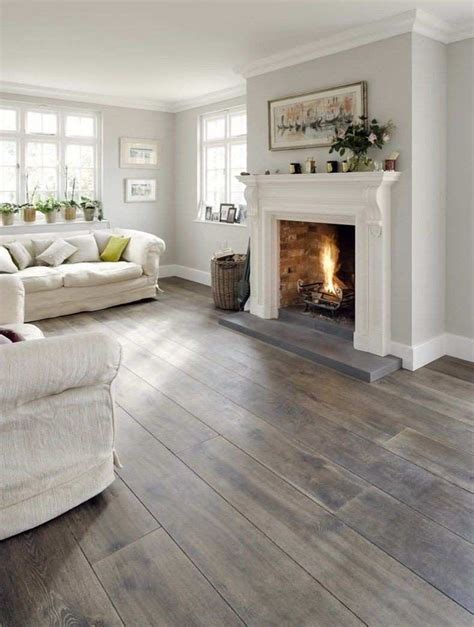
The secret to successfully styling gray tiles lies in identifying their underlying temperature. Cool grays feature blue, green, or violet undertones, which naturally complement minimalist, industrial, or contemporary aesthetics. These shades excel in sun-drenched southern-facing rooms where they help balance intense natural sunlight with a crisp, refreshing visual temperature.
Conversely, warm grays lean toward brown, beige, or taupe undertones, often referred to in the design world as “greige.” These warmer iterations blend seamlessly into transitional, modern farmhouse, and traditional American homes. When paired with brass fixtures, creamy white trim, or natural oak cabinetry, warm gray tiles soften the overall ambiance of a room without sacrificing modern neutrality.
Selecting the Right Tile Finish for Your Space
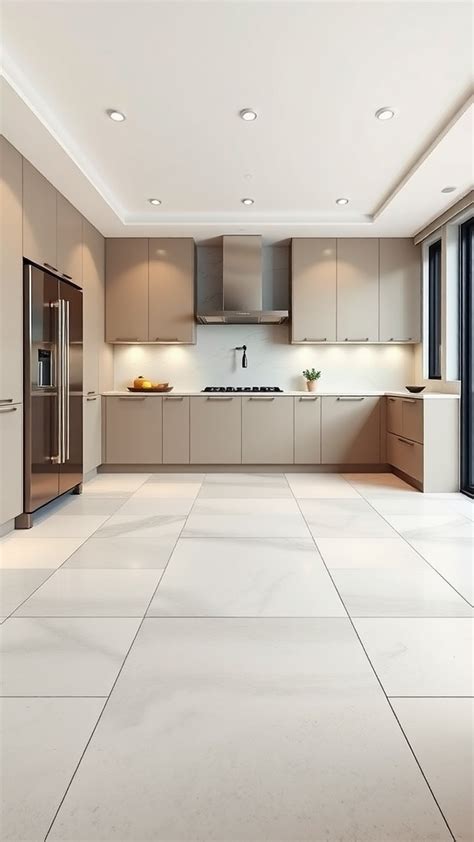
The finish of your tile dictates both its slip resistance and how it interacts with artificial and natural light. Polished finishes create a reflective, high-end surface that bounces light around smaller powder rooms or dimly lit foyers, making compact spaces feel noticeably larger and more luminous.
Matte finishes offer a more understated, tactile quality that hides footprints, water spots, and dust exceptionally well. This makes matte and textured porcelain tiles a practical choice for high-traffic entryways, mudrooms, and family kitchens where daily wear and tear is a constant reality. Textured options also provide superior grip, making them a safer choice for bathroom floors prone to moisture.
Room-by-Room Styling Strategies
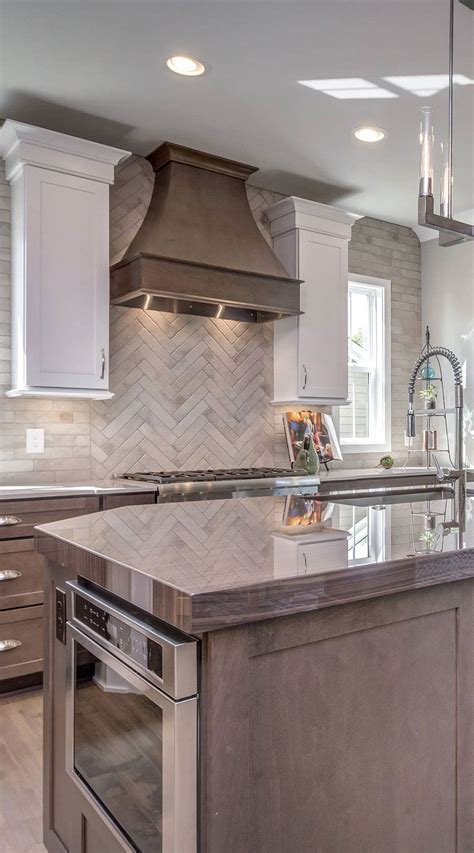
Applying gray tiles effectively involves tailoring your choice of pattern, size, and layout to the specific function of the room. In the kitchen, a herringbone or chevron pattern using soft gray subway tiles instantly elevates a standard backsplash into a sophisticated focal point, especially when paired with open wooden shelving.
For bathrooms, large-format gray tiles minimize grout lines, creating a seamless, spa-like environment that is easier to clean. In open-concept living spaces, large concrete-look gray porcelain tiles bridge the gap between indoor and outdoor entertaining areas, establishing a cohesive flow throughout the main level of the home.
Preventing a Cold Aesthetic with Warm Layers
One of the most frequent concerns homeowners have is that extensive use of gray can make an interior feel clinical or uninviting. The most effective way to counteract this is through the strategic layering of organic textures and warm accent colors. Introduce woven jute rugs, walnut wood furniture, plush linen window treatments, and brushed gold or matte black hardware to ground the space.
Additionally, selecting the right grout color plays a major role in the final look. Matching the grout to the tile creates a seamless, monolithic appearance, while a contrasting grout line emphasizes geometric patterns and adds architectural definition to standard square or rectangular tiles.
Frequently Asked Questions
How do I choose the right shade of gray tile for my space?
Start by evaluating the natural lighting in your room. North-facing rooms receive cooler, bluer light, which pairs best with warm gray or greige tiles to prevent the space from feeling chilly. South-facing rooms receive abundant warm light, allowing you to use cool grays effectively to balance the brightness.
Are gray tiles suitable for small rooms or low-light areas?
Yes, gray tiles work wonderfully in compact areas if you select the right finish and tone. Light gray tiles with a semi-polished or glossy finish reflect ambient light, helping to visually expand small bathrooms, powder rooms, or narrow hallways without overwhelming the senses.
What grout colors pair best with gray tiles?
Your choice of grout depends on the desired visual outcome. A matching or slightly darker gray grout creates a cohesive, modern surface with minimal visual interruption. A contrasting white or charcoal grout highlights tile shapes and patterns like penny rounds, hexagons, or herringbone layouts.
How can I keep gray tile floors from looking sterile?
You can warm up gray tile floors by introducing organic textures and warm elements such as natural wood tones, brass or copper hardware, plush area rugs, and warm ambient lighting. These contrasting materials add depth and comfort to the room.


