Designing a comfortable and visually balanced living room often feels overwhelming when staring at an empty room or a mismatched collection of hand-me-downs. Whether you hold a mortgage on a suburban house or lease an urban apartment, curating a living room set requires thoughtful planning rather than impulsive purchasing. The secret lies in understanding your architectural footprint, prioritizing functional foundations, and selecting pieces that adapt to your lifestyle over time.
Successful interior styling bridges the gap between personal expression and spatial reality. Instead of buying a matching, pre-packaged furniture suite from a showroom floor—which often results in a flat, uninspired aesthetic—a curated approach lets you build character layer by layer. By balancing scale, material textures, and long-term durability, you can create a cohesive sanctuary that feels entirely intentional and uniquely yours.
Assessing Your Space and Layout Constraints
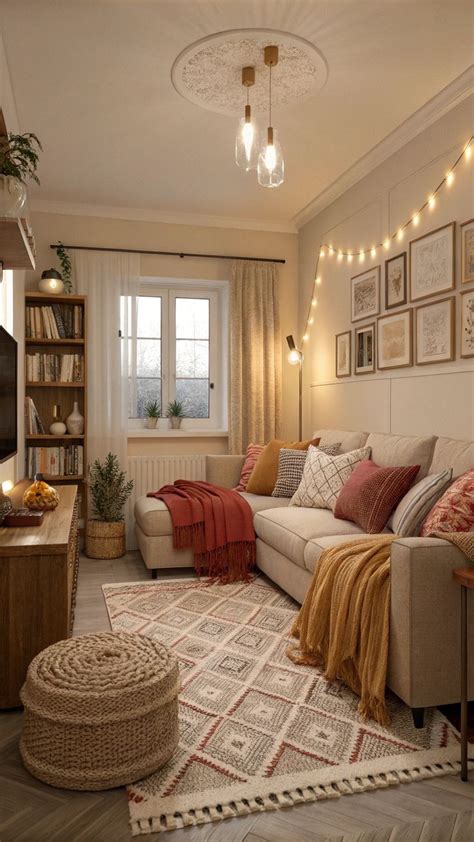
Before browsing for sofas, coffee tables, or media consoles, take accurate measurements of your living area, noting architectural quirks such as radiator placements, awkward corners, and traffic flow paths. A common pitfall is purchasing oversized furniture that overwhelms a compact apartment or buying delicate, undersized pieces that float aimlessly in an open-concept suburban home. Walk through your daily routine to identify how you naturally move across the room.
Creating a functional floor plan begins with establishing a clear focal point. In some rooms, this might be a structural fireplace or large picture window, while in others, it is naturally formed by a television or a media wall. Arrange your primary seating to anchor this focal point while leaving at least thirty inches of clear walking space around major pathways. Painter’s tape on the floor can help you visualize exact dimensions before spending a single dollar.
Tailoring Your Strategy: Renters Versus Homeowners
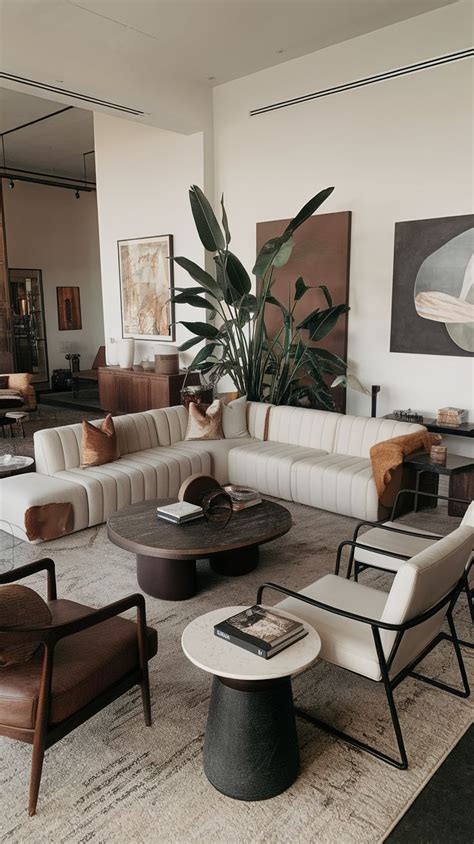
Your living situation dictates how heavily you should invest in foundational furniture and how modular your choices need to be. Renters face frequent relocations, narrow stairwells, and strict lease covenants that make heavy, oversized sectionals or built-in shelving risky investments. For apartment dwellers, modular sectionals with reversible chaises, lightweight accent chairs, and multi-functional storage ottomans provide maximum flexibility when moving day arrives.
Homeowners, conversely, can embrace permanence, investing in solid-wood case goods, custom built-ins, and heirloom upholstery that will withstand years of daily use. Because you do not need to worry about narrow doorways or unpredictable room dimensions in a future lease, you can anchor the room with substantial anchor pieces. However, both groups benefit from mixing materials—such as pairing metal-legged coffee tables with upholstered textiles—to prevent the room from looking one-dimensional.
Building Around the Foundation Piece: The Sofa
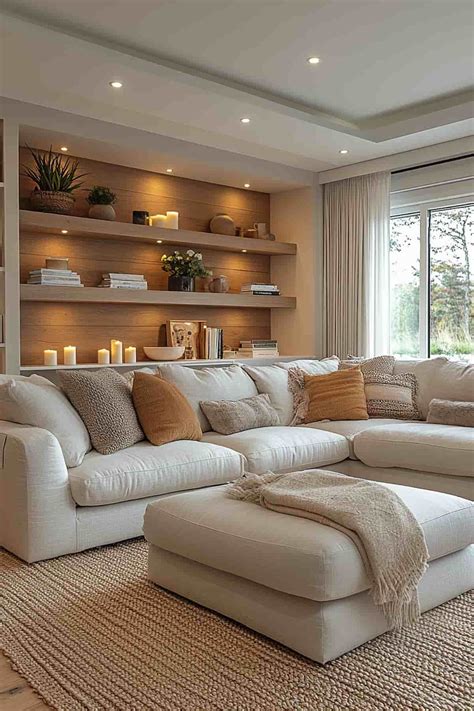
The sofa acts as the anchor of any living room set, setting the visual tone and dictating the comfort level of the entire space. When selecting a sofa, prioritize frame construction, such as kiln-dried hardwood, and high-resiliency foam cushions that resist sagging over time. Neutral upholstery fabrics like heavy linen blends, durable tweeds, or performance velvets offer a timeless backdrop that accommodates changing seasonal decor.
If you prefer vibrant colors or bold patterns, channel them into smaller, easily swappable accent pillows or throws rather than a statement sofa that you might tire of in two years. For smaller rooms, consider a sofa with exposed wooden legs and a lifted silhouette; this allows light to pass underneath, making the entire floor area feel visually larger and more open.
Layering Textures, Accent Pieces, and Lighting
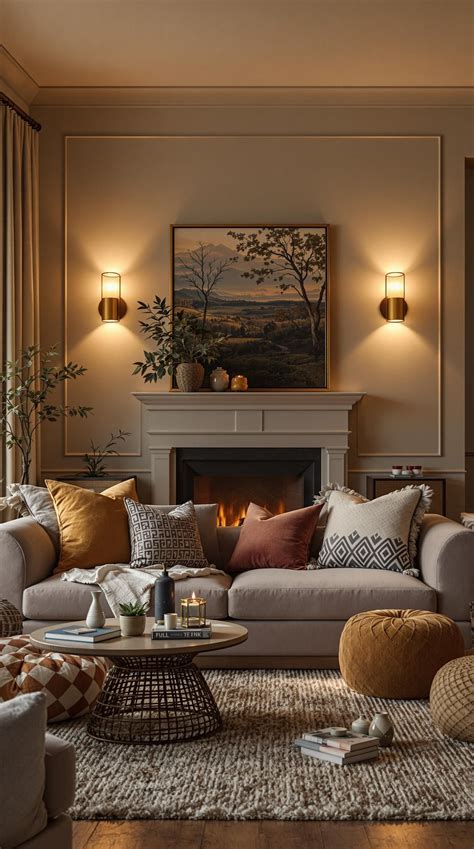
A living room set only feels finished when you introduce contrasting textures and varied lighting sources to create depth. Combine smooth leather chairs with knitted throws, woven rattan baskets, and brushed brass or matte black metal accents. This tactile variety prevents neutral palettes from feeling sterile and adds warmth to minimalist and maximalist spaces alike.
Lighting should never rely solely on a single overhead ceiling fixture. Instead, layer ambient, task, and accent lighting by combining floor lamps, dimmable table lamps, and wall sconces. Placing a light source at varying heights draws the eye upward, accentuating ceiling height and creating cozy pockets of illumination that make the room feel inviting after sunset.
Frequently Asked Questions
How do I start curating a living room set from scratch?
Begin by measuring your room and mapping out high-traffic pathways. Establish a clear focal point, then invest in your core anchor piece—usually the sofa—before adding complementary accent chairs, a coffee table, and layered lighting.
What are the main furniture differences for renters versus homeowners?
Renters should prioritize modular, lightweight, and versatile furniture that easily navigates tight stairwells and fits into differently sized future apartments. Homeowners can focus on permanent, heirloom-quality pieces, custom layouts, and heavier solid-wood materials.
How can I mix different furniture styles without creating visual clutter?
Stick to a cohesive color palette of three to four primary shades and vary your material textures. A unifying element, such as consistent wood tones or similar metal finishes, helps tie disparate styles together harmoniously.
Which living room items are worth investing in?
Your primary sofa and major case goods like media consoles or durable coffee tables are worth higher investments due to daily wear and tear. Accent pillows, small side tables, and trendy decor items can easily be sourced on a budget.


