Transforming your main gathering space often begins with selecting the right foundation pieces. When searching for stylish living room sets, homeowners and renters alike frequently struggle to balance visual appeal with the practical demands of daily life. Whether you are outfitting a sprawling suburban layout or a compact urban apartment, a cohesive furniture arrangement establishes the overall mood of your interior while offering essential utility for relaxation and entertaining.
Approaching your furniture purchase with a clear spatial plan helps prevent common pitfalls, such as overcrowding a room or ending up with pieces that fail to complement your existing architecture. By evaluating scale, traffic flow, and material durability before browsing options, you can secure an arrangement that looks intentionally curated and remains comfortable for years to come.
Popular Design Styles for Contemporary US Homes
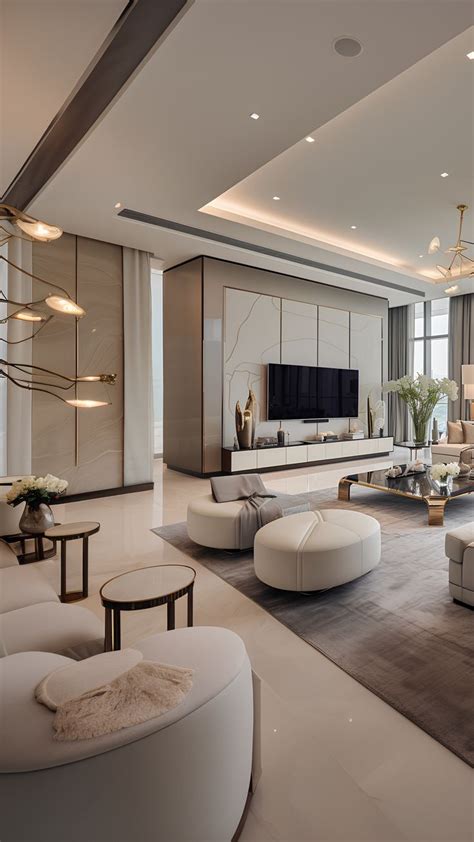
American living rooms span a wide spectrum of architectural designs, from mid-century modern ranches to contemporary open-concept apartments. Choosing a design style that aligns with your home’s natural architecture creates a harmonious flow. Clean lines and neutral palettes often dominate modern aesthetic preferences, allowing homeowners to introduce personality through accent pillows, rugs, and decorative objects without overwhelming the visual space.
Another enduring trend across US households is transitional design, which seamlessly bridges traditional warmth and modern simplicity. Transitional living room sets typically feature classic silhouettes paired with updated, performance-driven fabrics. This approach provides a welcoming, lived-in atmosphere that remains sophisticated, making it a versatile choice for families who want both elegance and everyday resilience.
Balancing Scale and Layout in Small Versus Large Spaces
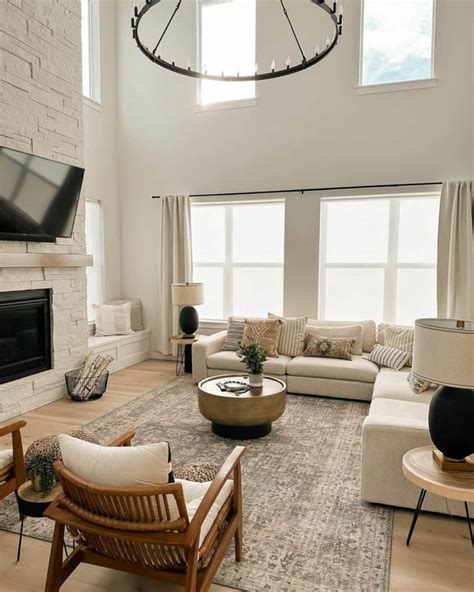
Spatial constraints dictate how a furniture set performs in the real world. In smaller urban apartments, oversized sectionals can quickly consume valuable floor area, making the room feel cramped and difficult to navigate. Instead, opt for a streamlined sofa paired with lightweight accent chairs and a glass-topped coffee table, which maintains an open line of sight and enhances the illusion of spaciousness.
Conversely, expansive suburban living rooms often suffer from feeling ungrounded or cavernous when furnished with undersized pieces. Large rooms benefit from substantial multi-piece sets that include deep-seated sofas, matching loveseats, and substantial media consoles. Arranging these elements to create distinct conversational zones prevents large rooms from feeling like empty, impersonal hallways.
Choosing Between Matching Sets and Curated Combinations
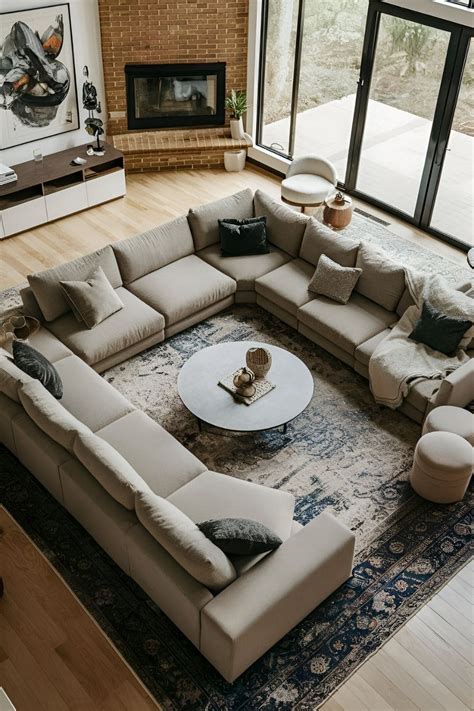
The debate between purchasing a complete, matching living room set and curating a mix-and-match collection comes down to personal taste and design confidence. Matching sets offer immediate cohesion, eliminating the guesswork of pairing woods, heights, and upholstery tones. This route is ideal for anyone seeking a polished, uniform look with minimal styling effort.
On the other hand, mixing independent pieces injects unique character and a custom-designed feel into your interior. If you choose this route, maintain visual harmony by anchoring the space with a dominant piece—such as a neutral sofa—and introducing contrasting accent chairs with complementary leg finishes or textile weights. Repeating at least one color or texture across different items ties the eclectic arrangement together effectively.
Frequently Asked Questions
What should I prioritize when buying a living room set?
Prioritize everyday comfort, room scale, and fabric durability. Measure your space carefully and map out pathways to ensure the furniture allows for natural movement before evaluating aesthetic styles.
Are matching living room sets outdated?
Matching sets are not outdated, particularly when selected in timeless neutrals or clean-lined silhouettes. However, many modern designers recommend breaking up the uniformity with contrasting accent pillows, throws, or a unique coffee table.
How can I make an affordable living room set look high-end?
You can elevate budget-friendly furniture by styling it with layered textiles, high-quality area rugs, sophisticated lighting, and curated decor accessories that draw the eye upward and add rich texture to the room.


