Living in a compact American home or apartment often means dealing with tight living room dimensions, awkward architectural angles, and limited storage. Whether you are dealing with a narrow urban apartment layout or a cozy suburban starter home, a small footprint does not mean sacrificing style or comfort. The secret to transforming a restricted room lies in smart visual tricks, intentional furniture selection, and disciplined spatial planning that avoids heavy, blocking elements.
Instead of executing expensive structural renovations, homeowners and renters alike can completely alter the look and feel of their main gathering space using strategic design choices. By prioritizing multifunctional items, lifting sightlines upward, and optimizing natural light, you can unlock unexpected square footage and create a breathing room that feels deliberately curated rather than cramped.
1. Choose Space-Saving and Multi-Functional Furniture
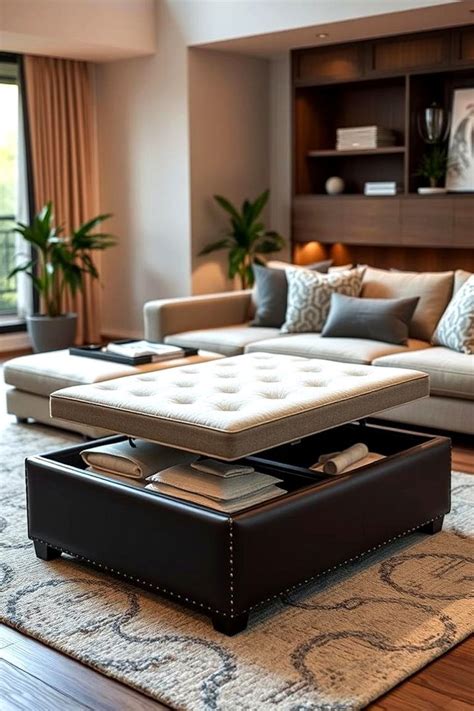
Bulky sectionals and oversized armchairs can quickly overwhelm a compact floor plan, swallowing up valuable walking paths. When selecting seating and tables, look for streamlined silhouettes that feature exposed legs, which allow light to pass underneath and create an airy atmosphere.
Opt for multi-functional pieces such as storage ottomans, nesting coffee tables, or sofa beds that serve more than one daily purpose. A coffee table with a hidden lift-top or integrated drawers provides an ideal spot to stash away extra blankets, remotes, and charging cables, instantly eliminating surface clutter without demanding extra square footage.
2. Leverage Vertical Space and Wall-Mounted Storage
When floor space is severely limited, look up. Many rooms suffer from underutilized vertical areas that could easily handle shelving, wall sconces, or tall bookcases. Installing floating shelves near the ceiling draws the eye upward, giving the illusion of higher ceilings while keeping decorative objects off precious tabletop surfaces.
For renters who cannot drill extensive holes into drywall, leaning ladder shelves or modular tension-rod shelving systems offer flexible alternatives. These vertical structures provide ample room for books, plants, and art while maintaining a visually light footprint that prevents the room from feeling heavy or boxy.
3. Layer Lighting to Expand Visual Boundaries
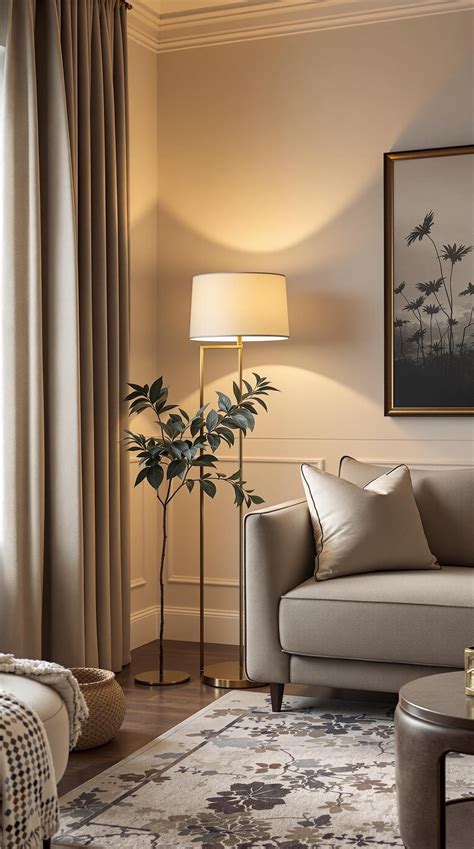
Relying on a single harsh overhead light fixture often flattens a room and casts sharp shadows in tight corners, making a small living room feel even more confined. Instead, create a layered lighting scheme using a combination of floor lamps, table lamps, and wall-mounted sconces positioned at varying heights.
Placing a tall floor lamp in a dark corner bounces illumination across the walls, effectively pushing the visual boundaries outward. If your layout permits, try positioning a decorative mirror directly opposite a window to capture natural daylight and bounce it deeper into the seating area, instantly doubling the sense of brightness and depth.
4. Embrace a Cohesive, Light-Reflecting Color Palette
Color choice heavily dictates how large or small an interior space feels. Soft neutrals, warm whites, pale grays, and muted earth tones act as natural light reflectors, bouncing incoming sunbeams around the room to dissolve hard corners and boundaries.
Monochromatic color schemes work exceptionally well in compact spaces because they prevent visual chopping. Painting your walls, trim, and large furniture pieces in similar tonal families creates a seamless backdrop. If you prefer bolder colors, incorporate them through easily swappable accents like throw pillows, artwork, and area rugs rather than dark, dominant wall paint.
5. Anchor the Room with Strategic Rug Placement
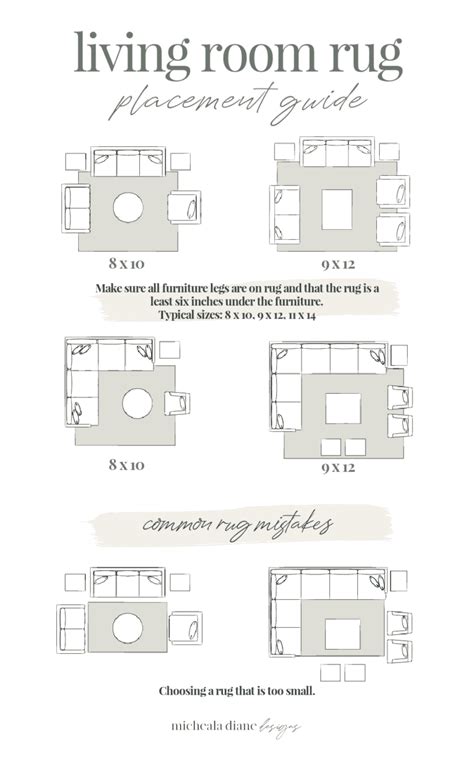
One of the most common mistakes in small living rooms is using an undersized accent rug that floats in the middle of the floor, which visually shrinks the space and makes furniture look disconnected. Instead, select a rug large enough so that at least the front legs of your sofa and armchairs rest comfortably upon it.
A generously sized area rug anchors the entire furniture arrangement, tricks the eye into perceiving a wider floor expanse, and pulls disparate seating elements into a unified zone. Natural fiber options like jute or low-pile wool add texture without introducing heavy patterns that might overwhelm a modest room.
6. Maintain Everyday Decluttering and Streamlined Decor
In a small living room, clutter accumulates faster and looks significantly more chaotic than it would in an expansive open-plan great room. Adopt a minimalist mindset regarding decorative objects: choose a few high-impact statement pieces, such as a large piece of art or a single sculptural vase, rather than dozens of tiny knick-knacks.
Establish daily habits for managing everyday items like mail, shoes, and electronics by assigning specific closed containers for each category. Keeping surfaces clean and floor paths completely unobstructed preserves the open flow of the room, ensuring your carefully planned layout remains comfortable, functional, and inviting.
Frequently Asked Questions
How can I make my small living room look bigger without remodeling?
You can make a small living room look significantly larger by using a light, cohesive color palette, hanging mirrors to reflect natural light, selecting furniture with exposed legs, and keeping floor pathways completely clear of clutter.
What kind of furniture works best in a tight living room layout?
Streamlined furniture with low backs, slim arms, and exposed legs works best. Additionally, multi-functional items such as storage ottomans, nesting tables, and modular sofas maximize utility without overcrowding the floor plan.
How do I arrange furniture in a small living room?
Pull your furniture slightly away from the walls rather than pushing every piece against the perimeter. Anchor the primary seating group with a properly sized area rug, and ensure there is an unobstructed pathway to enter and move through the space.


