Taking a large family or a group of friends into the great outdoors requires more than just a place to sleep; it demands a functional setup that feels welcoming and organized. For decades, traditional dome tents offered little more than a shared floor space, leaving campers scrambling over gear and waking each other up at the slightest movement. Today, spacious multi-room family tents have revolutionized outdoor living by introducing distinct spatial zones, standing headroom, and privacy features that mirror a compact home layout.
When evaluating options for your next getaway, understanding the structural and layout differences between various configurations is essential. Whether you are planning weekend trips to local state parks or extended seasonal camping excursions, choosing a model designed for comfortable living ensures everyone enjoys the experience without feeling cramped.
The Evolution of Outdoor Living: Why Multi-Room Tents Matter
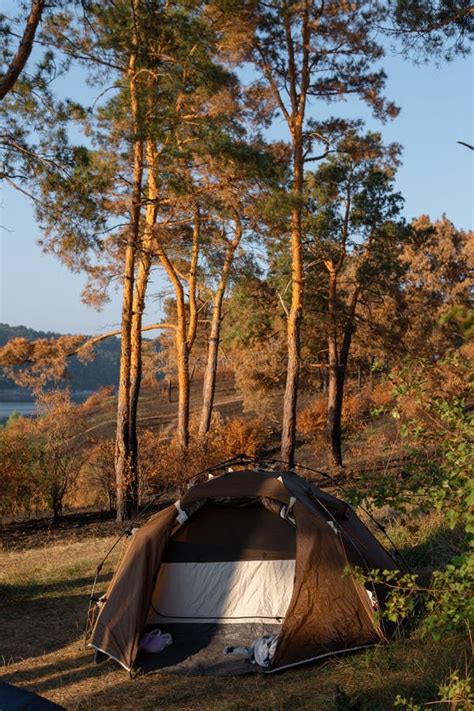
Camping comfort has advanced significantly beyond simple sleeping bags tossed onto thin nylon floors. Modern multi-room structures provide a designated communal area alongside private sleeping quarters, fundamentally changing how families manage gear, weather delays, and personal space. Instead of tripping over muddy boots and backpacks inside a single cramped chamber, campers can organize their belongings efficiently across different zones.
This functional division is especially valuable during inclement weather when outdoor activities are restricted. A tent with a central screen room or a spacious vestibule allows occupants to sit comfortably, play games, or change clothes without tracking moisture into the sleeping zones. By treating your campsite as a temporary home, you minimize stress and create a relaxed environment that accommodates both active days and restful nights.
Comparing 2-Bedroom and 3-Room Tent Layouts
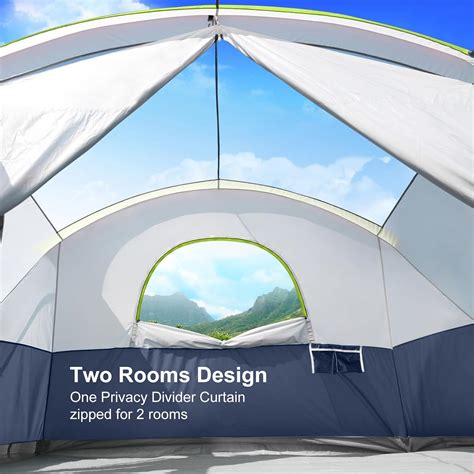
Selecting the right layout depends entirely on your group size, dynamic, and privacy preferences. A standard two-bedroom tent typically features a central common area flanked by two sleeping rooms, or a single dividing wall splitting the footprint directly down the middle. This configuration works wonderfully for parents who want their own private space while keeping a watchful eye on younger children in the adjacent section.
Three-room options take versatility a step further, often utilizing removable dividers or tunnel designs that create three distinct zones. These larger models can serve as two bedrooms with a central living room or mudroom, keeping sleeping areas entirely separate from high-traffic entry points. While these expansive footprints offer incredible flexibility, they also require larger clearing spaces at campsites and demand more attention during pitch time to ensure stability in windy conditions.
Essential Features for Long-Term Camping Comfort
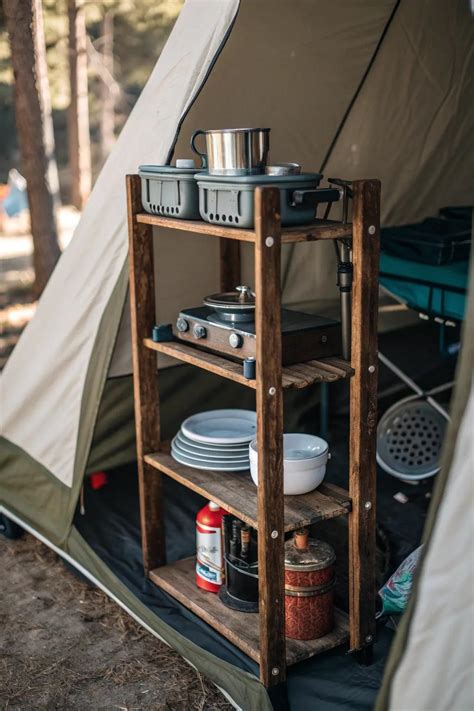
Achieving true comfort in a tent goes beyond square footage; it relies heavily on smart engineering details. Vertical or near-vertical walls dramatically increase usable interior space, allowing adults to stand up fully while changing clothes or setting up cots. Look for models featuring integrated gear lofts, hanging organizers, and strategically placed wall pockets to keep flashlights, water bottles, and electronics within arm’s reach.
Ventilation is another critical factor that dictates daily comfort. Large mesh windows, ground vents, and adjustable rainfly panels prevent condensation buildup and keep the interior cool during warm summer afternoons. Without proper airflow, even the most spacious tent can quickly turn stuffy and humid, making cross-ventilation a non-negotiable priority for any comfortable outdoor setup.
Evaluating Weather Resistance and Materials
A massive family tent must be able to withstand sudden weather shifts, from heavy downpours to gusty winds. When shopping for multi-room models, pay close attention to the fabric denier, pole construction, and waterproof coatings. Polyester and nylon fabrics treated with polyurethane coatings offer reliable moisture protection, while rugged polyethylene tub floors prevent ground water from seeping upward through the seams.
Furthermore, frame durability is paramount for large-surface-area tents. Steel poles provide exceptional rigidity in high winds, though they add significant weight to your packing list, whereas fiberglass or hybrid aluminum poles offer a balanced compromise between flexibility and weight. Always ensure the rainfly extends adequately over doors and windows to deflect driving rain while maintaining airflow.
Balancing Space, Portability, and Setup Complexity
The primary trade-off of upgrading to a spacious multi-room tent is managing its physical size and setup requirements. Larger footprints and complex pole systems mean packed bags are heavier and take up more trunk space. While color-coded poles and Insta-clip systems have made modern large tents much easier to pitch, setting up a multi-room cabin tent is still a cooperative task that benefits greatly from having two or more adults working together.
Before purchasing, consider how often you travel and whether your preferred campgrounds offer large enough pad sites to accommodate oversized footprints. For frequent weekend campers, a slightly smaller 2-room tent might offer the ideal sweet spot between luxurious interior space and quick, hassle-free teardown.
Frequently Asked Questions
What are the main advantages of 2 and 3 bedroom family tents?
Multi-room family tents offer enhanced privacy, better gear organization, and distinct zones for sleeping and relaxing. They prevent campers from disturbing one another and make extended trips much more comfortable by keeping personal items tidy and out of shared walkways.
How do I choose the right size tent for my family size?
While manufacturer capacity ratings indicate how many sleeping bags fit side-by-side, it is usually wise to size up if you plan to use cots, air mattresses, or store lots of gear. A family of four often finds maximum comfort in a 6 to 8-person multi-room tent that allows extra floor space.
Are multi-room tents difficult to set up?
Due to their size and multi-pole architecture, they generally take longer to pitch than simple dome tents. However, clear instructions, color-coded clips, and practicing setup in your backyard beforehand make the process straightforward and manageable for two people.
How well do large family tents handle rain, wind, and heat?
High-quality family tents handle adverse weather well if they feature full-coverage rainflies, waterproof taped seams, and sturdy steel or hybrid frames. For heat, look for extensive mesh panels and ground vents to promote continuous cross-breeze circulation.


