Investing in leather furniture is a major design decision that can transform the look, feel, and functionality of your living space. A quality leather sofa, armchair, or sectional brings a rich tactile element and a timeless aesthetic to a room, but selecting the right piece requires looking beyond the initial showroom appeal. Homeowners and renters alike must weigh factors like leather grading, frame construction, everyday durability, and how well the material adapts to seasonal indoor temperatures. By understanding these core elements, you can find a piece that not only looks sophisticated but also withstands the demands of daily household life.
Understanding Leather Grades and Finishes
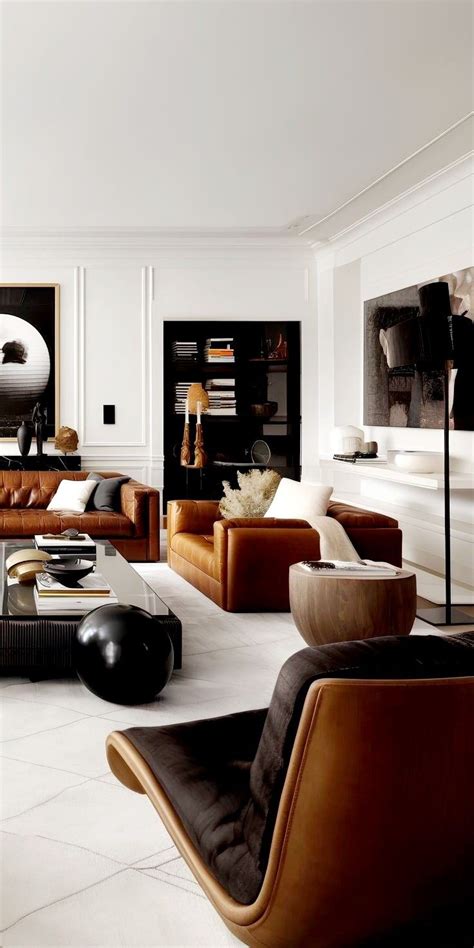
When shopping for leather furniture, the terminology can quickly become overwhelming. The primary distinctions lie in how the hide is processed, which directly impacts its durability, texture, and how it ages over time. Full-grain leather is widely considered the highest quality because it utilizes the entire outer hide with all its natural markings intact. It develops a rich patina over the years, making it a favorite for traditional and rustic interiors, though it requires gentle care to prevent stains.
Top-grain leather is the most common choice for busy households. The outer layer is lightly sanded to remove imperfections and treated with a protective finish, making it more resistant to spills and scratches while maintaining a supple feel. On the other end of the spectrum, bonded leather consists of leather scraps pulverized and bonded to a backing fabric. While budget-friendly, bonded alternatives lack the longevity and breathability of authentic full-grain or top-grain hides, often peeling after a few years of heavy use.
Balancing Comfort, Climate, and Construction
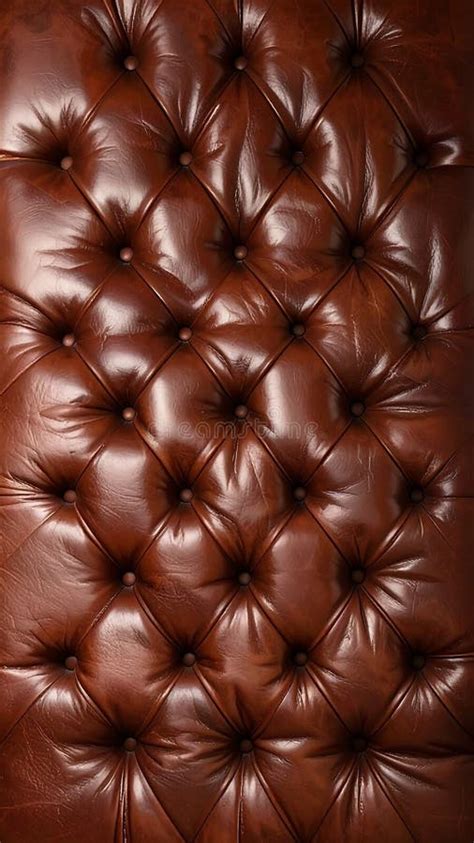
A common concern among buyers is whether leather furniture is uncomfortable in extreme weather, feeling too hot in humid summer months or too cold during winter. In reality, high-quality, breathable leather adapts remarkably well to room temperatures, especially when paired with proper home climate control. To maximize physical comfort, pay close attention to the inner cushion core and frame construction rather than just the upholstery. High-resilience foam wrapped in down or synthetic fibers provides lasting ergonomic support without sagging prematurely.
Frame integrity is equally crucial for long-term satisfaction. Kiln-dried hardwood frames joined with reinforced corner blocks prevent warping and squeaking over decades of daily seating. When evaluating a potential piece, check for heavy-gauge sinuous springs or eight-way hand-tied coil systems, which distribute weight evenly and prevent the seat from bottoming out under regular use.
Styling Leather Furniture Across Different Home Aesthetics
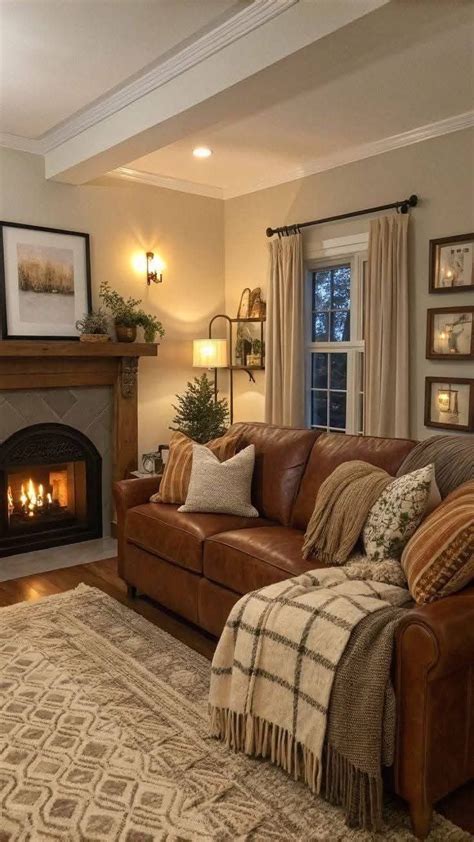
Leather is remarkably versatile, fitting effortlessly into a wide range of interior design styles. For a modern minimalist living room, a sleek, low-profile top-grain leather sofa in a neutral charcoal or black tone anchors the space without visual clutter. Paired with minimalist metal accents and light hardwood flooring, the dark leather adds architectural contrast and grounded sophistication.
If your home leans toward a rustic, farmhouse, or transitional look, a distressed caramel or cognac brown leather armchair brings warmth and vintage character. You can soften the leather’s natural coolness by layering textured textiles such as chunky knit throw blankets, linen pillows, and woven area rugs. This mix of materials prevents the living room from feeling sterile and creates an inviting atmosphere for family and guests alike.
Practical Maintenance for Busy Households
Maintaining leather furniture does not have to be an intimidating chore. Most daily upkeep requires nothing more than a gentle dusting with a soft, dry microfiber cloth to prevent abrasive dirt particles from settling into the grain. For households with children or pets, a protected top-grain leather finish provides a reliable barrier against accidental liquid spills and minor scratches, as it can be easily wiped clean with a damp cloth and mild soap.
To keep the hide supple and prevent cracking, apply a specialized leather conditioner every six to twelve months, depending on your local climate’s humidity levels. Avoid placing leather seating directly in front of unfiltered south-facing windows or heat vents, as prolonged exposure to direct sunlight and extreme thermal shifts can dry out the natural oils and cause premature fading.
Frequently Asked Questions
What are the different types of leather and which is best for everyday use?
The main types include full-grain, top-grain, and bonded leather. Top-grain leather is generally considered the best choice for everyday use in busy households because it offers a balance of natural softness, breathability, and a protective finish that resists stains and light scratches.
Is leather furniture too hot in the summer or too cold in the winter?
High-quality, breathable leather adjusts to ambient room temperatures relatively quickly. While genuine leather may feel cool initially in winter or warm in summer, it quickly neutralizes with body temperature, unlike synthetic faux leathers that trap heat and moisture.
How do I clean and maintain leather furniture to make it last?
Routine maintenance involves dusting regularly with a dry cloth and wiping up spills immediately. Every few months, apply a specialized leather conditioner to maintain moisture balance, and keep the furniture away from direct sunlight and heat sources to prevent cracking.
What is the difference between top-grain and full-grain leather?
Full-grain leather uses the entire hide without sanding, preserving natural markings and developing a rich patina over time. Top-grain leather has had the very top layer lightly buffed to remove imperfections and is treated with a protective coating for enhanced stain resistance.


