A leather sofa acts as the anchor of a living room, bringing natural texture, warmth, and enduring sophistication to your home. When exploring premium leather couches available through major retailers, the selection process involves much more than simply picking a color that matches your walls. Understanding the distinctions between leather grades, evaluating your spatial layout, and anticipating how the material will adapt to daily family life ensures your investment delivers lasting comfort and style.
For American homeowners and renters alike, choosing a statement seating piece requires balancing immediate visual appeal with practical durability. Whether you are furnishing a cozy urban apartment or a sprawling open-concept suburban family room, the right leather sofa transforms the space into an inviting retreat. This guide walks you through the essential evaluation criteria, helping you make an informed choice that suits your aesthetic preferences and household routines.
Decoding Leather Grades: Full-Grain vs. Top-Grain
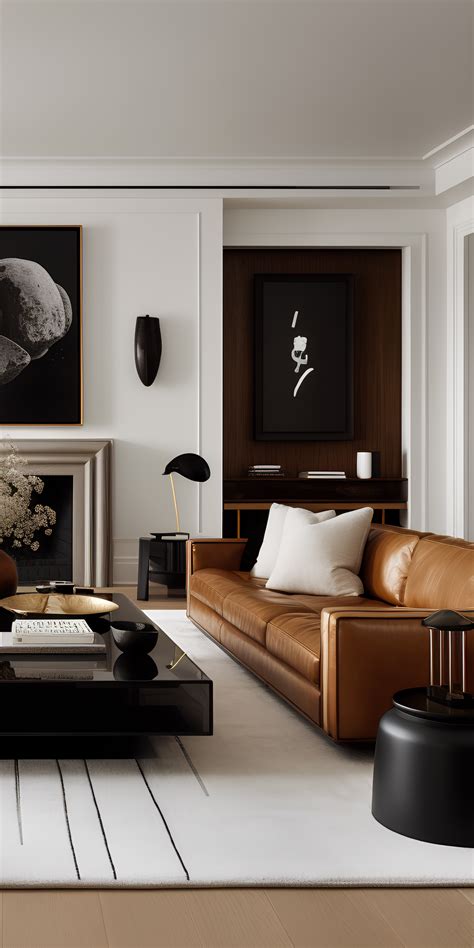
When shopping for premium leather upholstery, you will frequently encounter terms like full-grain and top-grain. Full-grain leather utilizes the entire hide without any sanding or buffing, preserving natural markings and developing a rich patina over time. It represents the highest tier of durability and authenticity, making it an exceptional choice for households that appreciate traditional craftsmanship and aging character.
Top-grain leather, on the other hand, undergoes a light sanding process to remove natural imperfections, followed by a protective finish. This grade offers a more uniform appearance and enhanced resistance to stains and spills, making it a practical favorite for busy family environments. Understanding how these variants perform under everyday wear helps you align your purchase with your household’s actual lifestyle demands rather than relying solely on initial showroom aesthetics.
How Leather Finishes Impact Daily Living
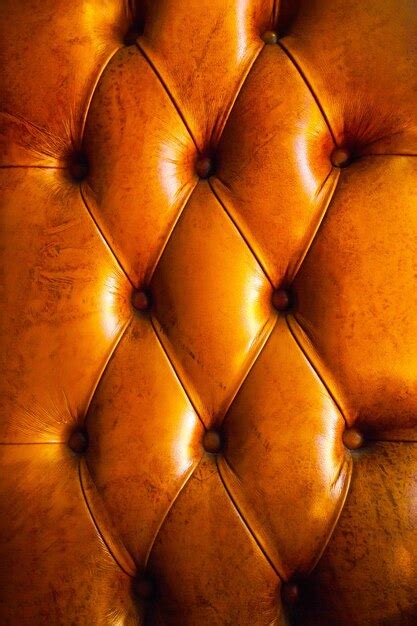
Aniline and semi-aniline finishes define how leather feels to the touch and how it reacts to environmental factors. Pure aniline leather is dyed without protective surface coatings, offering an unmatched buttery softness and breathability. However, it requires careful maintenance because it absorbs oils and liquids readily.
Semi-aniline leather incorporates a light protective pigment or topcoat, striking an ideal balance between natural softness and everyday stain resistance. For homes with energetic pets or young children, semi-aniline or pigmented leathers provide greater peace of mind against accidental spills and daily scuffs.
Spatial Planning: Sizing Your Sofa for American Homes
Integrating a new couch into your living area demands careful measurement and spatial awareness. In compact urban apartments, a streamlined mid-century modern leather sofa with exposed legs creates an illusion of open floor space. The elevated silhouette prevents the room from feeling heavy or overcrowded, allowing light to flow freely underneath the seating.
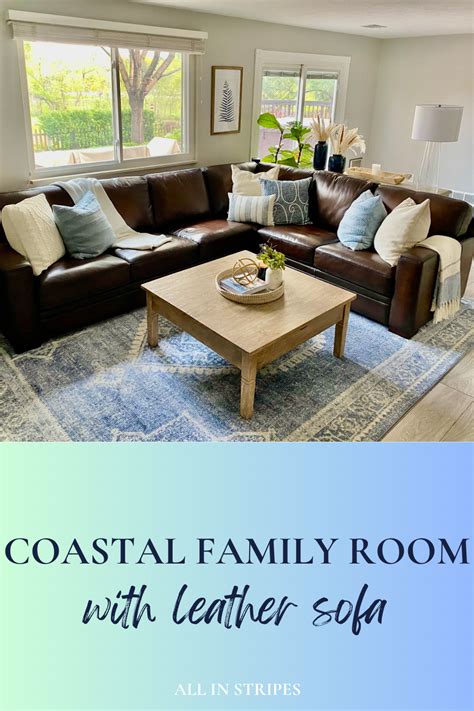
Conversely, large open-concept suburban homes can easily anchor expansive leather sectional sofas that define conversation zones within massive great rooms. Before making a final selection, use painter’s tape on your floor to outline the sofa’s exact footprint. This simple visualization step ensures comfortable traffic pathways and leaves adequate clearance for coffee tables and entertainment centers.
Matching Leather Colors to Your Interior Palette
While classic saddle brown and rich cognac remain perennial favorites that warm up neutral backdrops, modern leather seating spans a versatile chromatic spectrum. Charcoal and midnight black leather options introduce a sleek, contemporary edge to minimalist or industrial interiors. These darker tones serve as sophisticated neutral bases that effortlessly accommodate vibrant accent pillows and patterned throws.
Lighter caramel and cream leather hues brighten north-facing living rooms that lack direct sunlight, creating an airy and welcoming atmosphere. When coordinating your sofa with existing wooden floors or fabric accent chairs, pay close attention to undertones. Pairing warm honey leather with cool gray walls requires thoughtful bridging through textiles, rugs, and artwork to unify the space harmoniously.
Long-Term Care and Maintenance Practices
Investing in a high-quality leather couch means committing to a straightforward routine of preventive care. Regular dusting with a soft, dry microfiber cloth prevents abrasive dirt particles from settling into the natural grain. Rotating and fluffing loose cushions every few months also ensures even wear distribution across high-traffic seating spots.
Applying a specialized leather conditioner once or twice a year keeps the hide supple and prevents cracking, particularly in homes with dry winter heating or intense summer air conditioning. Addressing accidental spills immediately by blotting with a clean, absorbent cloth rather than rubbing preserves the integrity of the finish and keeps your statement furniture looking pristine for decades.
Frequently Asked Questions
What are the differences between top-grain and full-grain leather?
Full-grain leather uses the untouched outer layer of the hide, retaining natural markings and developing a rich patina over time. Top-grain leather is lightly sanded to remove imperfections and treated with a protective finish, offering a more uniform look and greater stain resistance.
Are leather sofas good for homes with pets and kids?
Yes, especially top-grain or semi-aniline leather options that feature protective finishes. They resist liquid absorption and are easier to wipe clean than fabric upholstery, though sharp pet claws can still puncture or scratch any genuine leather surface.
How do I clean and condition a premium leather couch?
Regularly dust the surface with a dry microfiber cloth. For routine cleaning, wipe with a damp cloth using mild soap if necessary, and apply a specialized leather conditioner annually to maintain suppleness and prevent cracking.
What sofa size works best for compact living rooms versus open-concept spaces?
Compact rooms benefit from streamlined two-seater or apartment-sized sofas with raised legs to maintain visual openness. Open-concept living areas can anchor large L-shaped or modular sectionals that naturally divide vast floor plans into distinct functional zones.
How can I test or ensure the quality of a leather sofa before buying?
Check product specifications for genuine leather terminology, inspect stitching and frame construction details, and review fabric swatches if available to feel the texture, weight, and flexibility of the hide.


