When planning an extended outdoor excursion with a household, finding a shelter that provides both communal gathering areas and private sleeping quarters is essential. Multi-room models have transformed outdoor living by introducing room dividers, separate entry doors, and generous ceiling heights that allow adults to stand upright without crouching. Choosing the right layout requires balancing packed dimensions, weather resilience, and assembly simplicity to ensure your next trip remains relaxing from arrival to departure.
Evaluating these expansive shelters means looking beyond simple square footage numbers. Modern designs incorporate clever vestibules, screen rooms, and removable room dividers that adapt to shifting weather patterns and changing family dynamics. Whether you need a central common area for rainy afternoons or distinct sleeping cabins for children, understanding core selection criteria prevents costly camping mistakes.
Key Architectural Features of Multi-Room Shelters
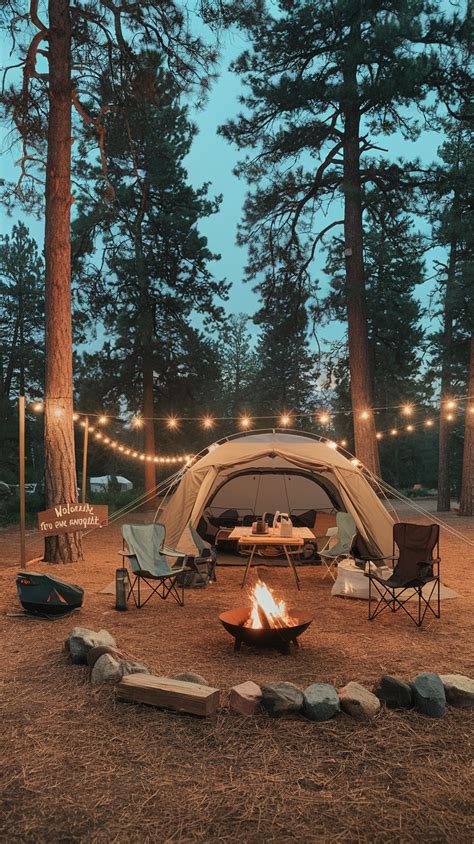
The hallmark of a quality multi-room layout is versatile zoning. Unlike traditional single-space domes, these expansive models utilize internal privacy curtains or zip-in room dividers to carve out distinct zones. This separation allows parents to maintain privacy or establish a quiet sleeping environment for toddlers while others relax in the central living area. Look for models featuring separate exterior entry doors, which minimize traffic bottlenecks and eliminate the need for family members to climb over each other during nighttime trips.
Ceiling height and wall steepness significantly impact interior comfort during extended stays. Straight-wall architecture maximizes usable floor space, allowing cots, air mattresses, and camp furniture to fit snugly against the perimeters. When evaluating options, pay close attention to peak height measurements; models reaching six feet or taller dramatically reduce physical fatigue during multi-day excursions. Additionally, integrated gear pockets and e-ports for power cords help keep electronics and small items organized, transforming a temporary fabric shelter into a comfortable temporary home.
Weather Resistance and Seasonal Durability
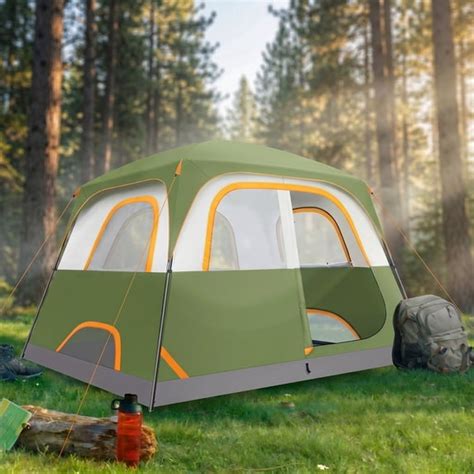
Family camping often involves unpredictable weather shifts, making robust waterproofing and structural stability non-negotiable. Quality multi-room designs utilize heavy-duty polyethylene or oxford polyester floors with welded seams to prevent ground moisture from seeping upward. Rainflies that extend fully down the exterior walls, combined with taped fly seams, offer reliable protection during sudden downpours. It is wise to examine the denier rating of the fabrics used; higher denier counts generally indicate greater tear resistance and longevity under UV exposure.
Wind management is another critical consideration for large-footprint structures. Because multi-room tents present a larger surface area to oncoming breezes, they require sturdy frame construction, typically combining steel and fiberglass poles, along with adequate guy-line attachment points. Properly anchoring your shelter using heavy-duty stakes and tensioners prevents structural distortion during gusty storms. While most multi-room models are engineered for three-season use—handling spring, summer, and autumn conditions—they are rarely designed for heavy winter snow loads.
Evaluating Setup Complexity and Portability
The sheer size of a multi-room tent often raises concerns about assembly difficulty. Many contemporary designs mitigate this challenge through color-coded pole systems, continuous pole sleeves, and pin-and-ring assembly mechanisms that streamline the pitching process. While manufacturer estimates frequently suggest rapid setup times, first-time assembly in a backyard setting is strongly recommended to familiarize yourself with the pole configurations and ensure all components are present before heading into the wilderness.
Portability is the direct trade-off for generous interior space and robust framing. These shelters typically generate a bulky packed footprint and substantial weight, requiring careful consideration of your vehicle’s trunk capacity or roof rack space. Heavy-duty wheeled carry bags make transporting the tent from your vehicle to the campsite significantly easier. When packing up after a trip, taking the time to dry the fabric thoroughly prevents mold and mildew growth, preserving the longevity of your investment for future outdoor excursions.
Frequently Asked Questions
How difficult is it to set up a 3-room tent by yourself?
Setting up a multi-room shelter alone can be challenging due to the large fabric panels and extended pole lengths. While some models feature instant-up hub designs that allow single-person pitching, most family-sized tents are much easier to assemble with at least two adults working together to guide poles and secure guy lines.
Are 3-room tents waterproof enough for heavy rain?
Most quality multi-room models feature water-resistant rainflies, sealed seams, and waterproof tub floors designed to withstand moderate to heavy rain. However, performance depends on proper setup, including fully staking out the rainfly so it does not touch the inner mesh walls, which prevents moisture transfer.
How do room dividers function in these tents?
Room dividers typically consist of hanging fabric panels equipped with zippers or toggles. They attach to interior loops along the ceiling and walls, allowing you to partition the open floor plan into separate sleeping quarters or living spaces depending on your privacy needs.


