Investing in a leather sofa is a major decision for any American household. It anchors the living room, sets the tone for your overall interior aesthetic, and serves as the primary spot for relaxation after a long workday. However, the search often brings up a frustrating dilemma: striking the right balance between sophisticated style and genuine, long-term physical comfort. Too often, ultra-sleek modern silhouettes sacrifice plush lounging support, while oversized overstuffed designs overwhelm open-concept floor plans.
Navigating this furniture purchase successfully requires looking beyond the initial showroom impression. You need to understand leather classifications, evaluate internal frame and cushion construction, and realistically assess how your household uses its living space. Whether you are furnishing a spacious suburban family room or a cozy urban apartment, finding that ideal seating piece involves careful planning around climate, layout, and daily wear-and-tear.
Demystifying Leather Grades: What Matters for Daily Life
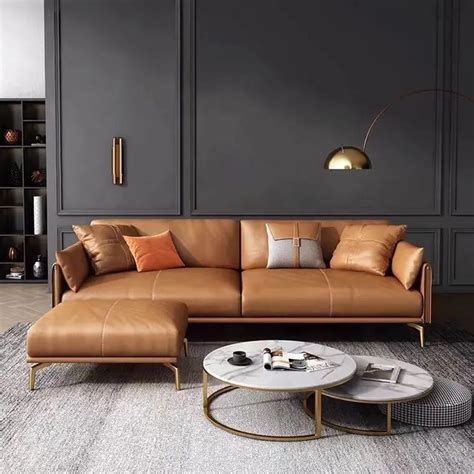
When shopping for a quality sofa, you will encounter several leather classifications that heavily influence both price and performance. Full-grain leather represents the highest tier, utilizing the entire hide with its natural grain and imperfections intact. It develops a rich, beautiful patina over time, telling the story of your home, but it requires regular conditioning and can show scratches more readily if you have active pets.
Top-grain leather is the most common choice for busy US households. The outermost layer is lightly sanded to remove minor imperfections and treated with a protective finish, making it more stain-resistant and uniform in appearance. Meanwhile, bonded leather—composed of leather scraps mixed with polyurethane—offers a budget-friendly alternative, but it lacks the breathable comfort and longevity of authentic hide, often peeling within a few years of heavy family use.
Balancing Ergonomics and Aesthetic Appeal
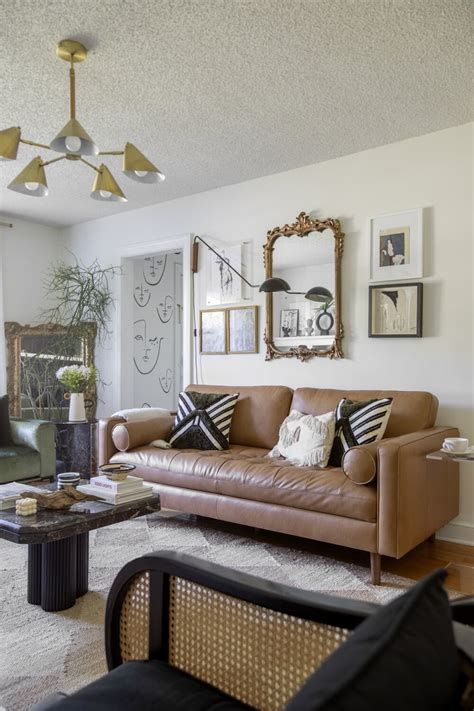
A common misconception is that leather furniture is inherently stiff or cold. While poorly constructed couches can feel rigid, a well-designed leather sofa blends supportive ergonomics with timeless visual warmth. The secret lies in the cushion filling and internal suspension system. High-resilience foam wrapped in down-feather blends offers both initial plushness and sturdy core support, preventing the dreaded sag that occurs after a year or two of movie nights.
To match your sofa style to your home decor, consider the architectural context of American residential spaces. Transitional and mid-century modern designs pair exceptionally well with cognac or caramel top-grain leather, bringing earthy warmth to neutral walls. For industrial or loft spaces, distressed dark brown or charcoal leather introduces a rugged, sophisticated edge. Clean track arms work wonderfully in tighter floor plans, whereas rolled arms and deep cushions suit traditional, expansive living rooms.
Adapting Leather Furniture to US Climates and Households
Environmental factors across different regions of the United States play a surprising role in leather maintenance. Homes in dry, arid southwestern climates require frequent conditioning to prevent the natural hide from drying out and cracking. Conversely, humid southern coastal regions call for breathable finishes and proper room ventilation to prevent moisture retention and mold growth on organic surfaces.
Household composition is another vital decision criterion. Families with young children or dogs benefit enormously from corrected or semi-aniline top-grain leathers treated with protective topcoats, which resist liquid spills and allow for easy cleaning with a damp microfiber cloth. While pull-up or aniline leathers feel buttery soft and luxurious, they absorb oils rapidly and demand a more mindful approach to upkeep, making them better suited for adult-only formal sitting areas or minimalist modern studies.
Frequently Asked Questions
What is the difference between top-grain and full-grain leather for everyday use?
Full-grain leather is un-sanded and retains the natural hide’s full texture, resulting in a breathable material that develops a rich patina over time. However, it requires careful maintenance and shows scratches easily. Top-grain leather has had the surface gently sanded and finished with a protective coating, making it significantly more resistant to stains, spills, and everyday wear in busy households.
How do I choose a leather color that fits my existing home decor?
Consider the natural light in your room and your foundational color palette. Warm caramel and cognac tones introduce an inviting, organic feel that complements neutral grays, creams, and blues. Darker espresso or charcoal leathers anchor large, open-concept spaces and create a dramatic focal point, while pairing effortlessly with both industrial metal accents and traditional wood furniture.
Are leather sofas comfortable for lounging and daily family use?
Yes, provided you select a sofa with proper internal construction. Look for high-resilience foam cores wrapped in down or synthetic down-alternative feathers, supported by sinuous springs or eight-way hand-tied coils. This combination ensures that the sofa provides both immediate cushion softness and enduring ergonomic support for hours of comfortable sitting or lying down.
How do I maintain and condition a leather sofa in different US climates?
In dry climates, apply a specialized leather conditioner every six to twelve months to replenish natural oils and prevent cracking. In humid environments, keep the sofa away from direct sunlight and excessive moisture, dusting it weekly and wiping it with a damp cloth to prevent mildew. Always test any cleaning or conditioning product on a hidden area first.
What size leather sofa works best for an open-concept American home?
For open-concept living spaces, a modular sectional or a full-sized three-seater paired with matching armchairs helps delineate functional zones without blocking sightlines. Ensure you leave at least 30 to 36 inches of clear walking path around the perimeter of the sofa so the room feels balanced, airy, and easy to navigate.


