Blank walls present a unique design opportunity, and few projects offer a better balance of form and function than custom wall shelving. Building your own storage allows you to customize dimensions to fit awkward alcoves, select lumber that complements your existing furniture, and achieve a high-end look for a fraction of retail cost. Whether you want to showcase a collection of trailing pothos plants, display family photographs, or organize kitchen spices, taking on a weekend shelf project transforms empty vertical space into a striking focal point.
Successfully executing a wall-mounted project requires careful attention to structural integrity, wall materials, and weight distribution. Stud finders, appropriate heavy-duty anchors, and precise leveling tools turn a potentially frustrating afternoon into a satisfying home improvement victory. By categorizing projects according to major design aesthetics—ranging from weathered rustic wood to sleek modern metal—you can easily pinpoint concepts that harmonize with your home.
Rustic and Farmhouse Wooden Shelves
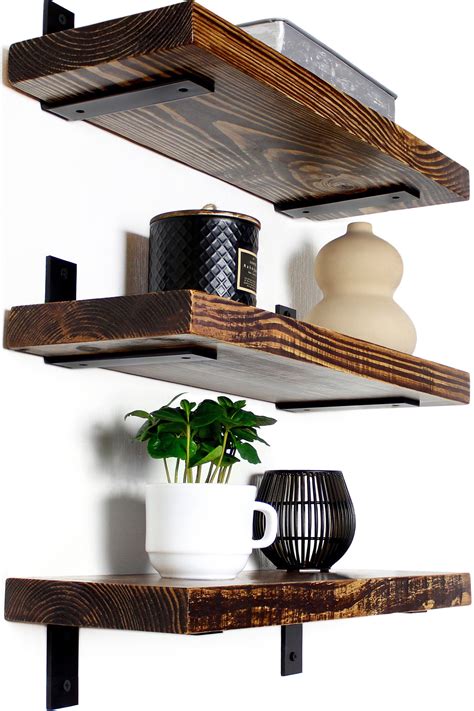
Rustic wooden shelving brings organic warmth, rich grain textures, and a cozy, lived-in character to living rooms, kitchens, and dining areas. Standard dimensional lumber such as pine or oak can be heavily aged using vinegar and steel wool washes, or stained with dark walnut tones to mimic reclaimed barn wood. These sturdy platforms excel at holding heavy ceramic dishware, cookbooks, or decorative glass jars without bending or showing wear.

When constructing farmhouse-style shelves, consider incorporating heavy iron brackets or corbels purchased from architectural salvage shops to enhance the traditional aesthetic. Sanding down rough edges while preserving natural knots and imperfections ensures the wood looks authentically weathered rather than carelessly finished. Seal the final piece with a matte polyurethane coat to protect against moisture in kitchens or bathrooms while maintaining a natural, low-gloss tactile feel.
Modern Minimalist Floating Shelves
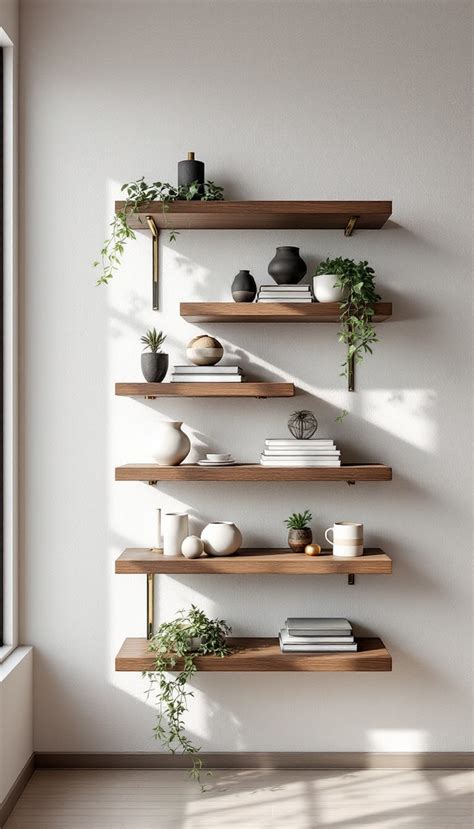
Minimalist interiors rely on clean lines, concealed hardware, and an uncluttered visual presentation that lets the architecture of the room shine. True floating shelves achieve this illusion by utilizing internal steel mounting brackets or hollow-box construction methods that completely hide all screws and supports. These streamlined surfaces work exceptionally well in modern home offices, contemporary bedrooms, or sparse entryways where visual calm is the primary design objective.
Building a hollow box floating shelf requires basic woodworking skills, wood glue, and a table saw to create a snug sleeve that slides directly over a securely anchored wall cleat. To maintain the minimalist illusion, style these surfaces with restraint: limit objects to a single piece of statement art, a sculptural ceramic object, and a small stack of books. Choosing light-colored hardwoods like maple or white oak preserves an airy, spacious atmosphere.
Boho Rope and Macrame Shelving
Bohemian decor celebrates eclectic textures, natural fibers, and relaxed, artistic arrangements that invite comfort and personal expression. Hanging shelves suspended by twisted cotton rope, leather straps, or intricate macrame plant hangers add dynamic movement and vertical interest to small apartments and sunrooms. Because these suspended units swing slightly, they are best utilized for lightweight decor items like succulents, crystals, and paperback books.
Creating a suspended rope shelf is remarkably straightforward and requires only a pre-cut wooden board, a drill to make corner holes, sturdy cotton rope, and a heavy-duty ceiling hook or wall bracket. Ensure that you knot the rope securely beneath each corner of the board to prevent tilting, and use a level during installation to keep the surface even. This renter-friendly approach minimizes wall damage since it often requires only a single anchor point per shelf assembly.
Industrial Pipe and Metal Bracket Units
Industrial design channels urban lofts and historic factories by celebrating raw steel, exposed fasteners, and utilitarian structural components. Galvanized or black iron pipes combined with thick wooden planks create rugged shelving units capable of supporting substantial weight in home bars, offices, and kitchens. The stark contrast between warm wood tones and cold metal hardware delivers a bold, architectural statement that anchors an entire room.
Assembling industrial pipe shelves involves screwing together standard threaded floor flanges, nipples, and elbow joints purchased from a local hardware store. Spray painting the metal components with a matte black or oil-rubbed bronze finish provides a cohesive, custom look that hides manufacturing stamps. Always screw the mounting flanges directly into wooden wall studs, as standard drywall anchors may fail under the combined weight of heavy iron pipes and loaded books.
Frequently Asked Questions
What are the best wall shelf ideas for beginners?
Beginners should start with simple board-and-bracket configurations or suspended rope shelves. These projects require minimal specialized tools—typically just a drill, a level, and a sanding block—and allow you to focus on proper wall anchoring without complicated joinery.
How do I choose the right shelf style for my room decor?
Look at your existing furniture legs, lighting fixtures, and hardware finishes. If your home features matte black accents and exposed brick, industrial pipe shelves will fit naturally. For neutral, airy spaces with light wood tones, minimalist floating shelves or light rustic boards provide a seamless complement.
How can renters install wall shelves without damaging walls?
Renters can use heavy-duty adhesive mounting strips rated for specific weights, tension rod shelving units inside alcoves, or single-point hanging systems like macrame rope hooks that require only small nail holes which are easily patched prior to moving out.
What is the most important safety rule when installing DIY shelves?
Always anchor at least one side of your shelf bracket directly into a wooden wall stud whenever possible. If studs do not align with your layout, use high-capacity toggle bolts or threaded drywall anchors rated well above the total expected weight of the shelf and its contents.


