When investing in foundational living room furniture, few pieces offer the enduring character and practical resilience of real leather sofas. Unlike synthetic alternatives that degrade over time, authentic leather adapts to its environment, developing a rich patina that tells the story of your household. Whether you are furnishing a sunlit coastal bungalow, a rustic mountain cabin, or a streamlined urban loft, genuine leather seating brings an unmatched tactile warmth and structural anchor to the room.
Navigating the world of genuine leather requires looking beyond initial showroom appearances to understand how different grades, hides, and finishes behave under everyday domestic use. From managing seasonal temperature shifts in diverse American climates to balancing heavy-use family schedules against refined aesthetic preferences, choosing the right couch involves weighing long-term structural integrity with daily comfort expectations.
Understanding Leather Grades and Finishes
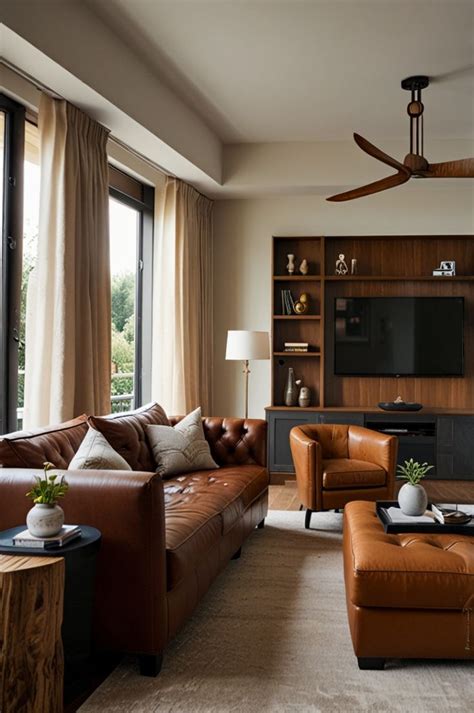
The journey to finding the ideal couch begins with understanding what distinguishes genuine hide categories. Full-grain leather represents the highest quality tier, retaining the hide’s natural surface grain complete with unique range marks, scars, and blemishes. Because it lacks artificial sanding or buffing, it breathes exceptionally well and ages with remarkable grace, though it demands a higher investment and shows minor surface scratches more readily.
Top-grain leather is the most common choice for busy households, having undergone a light sanding process to remove imperfections before receiving a protective finish coat. This treatment makes top-grain hides remarkably stain-resistant and easier to clean while maintaining a supple feel. Corrected-grain or split leather undergoes more intensive processing, often embossed with an artificial grain pattern. While more budget-friendly, it lacks the authentic breathability and luxurious aging potential of top-grain and full-grain alternatives.
Climate Adaptation and Comfort Across US Regions
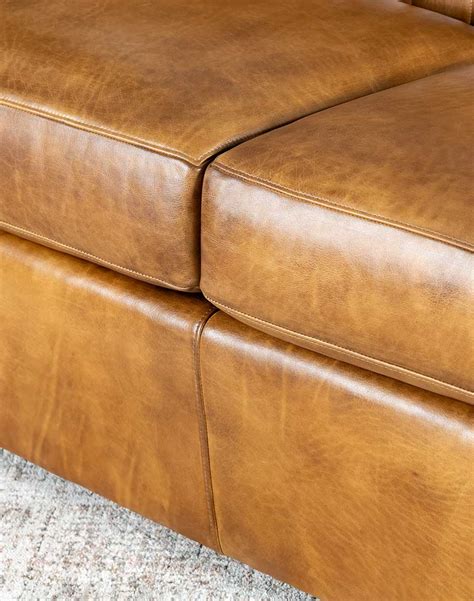
A common hesitation among prospective buyers centers on how real leather sofas perform across the varied climatic zones found throughout the United States. In humid southern regions or dry western states, people often worry about whether leather will feel too sticky in summer or freezing cold during northern winter months. In practice, high-quality, breathable leather adapts quickly to ambient room temperatures once body heat is introduced.
To maximize comfort across different seasons, consider pairing your seating with textured textiles. During colder winter months in New England or the Midwest, layering wool throw blankets and woven cotton pillows breaks up the smooth surface and provides immediate warmth. Conversely, in warmer climates like Texas or Florida, keeping the room well-ventilated and choosing aniline or semi-aniline finishes allows the material to stay cool and breathable against the skin.
Styling Your Sofa Across Different Interior Aesthetics
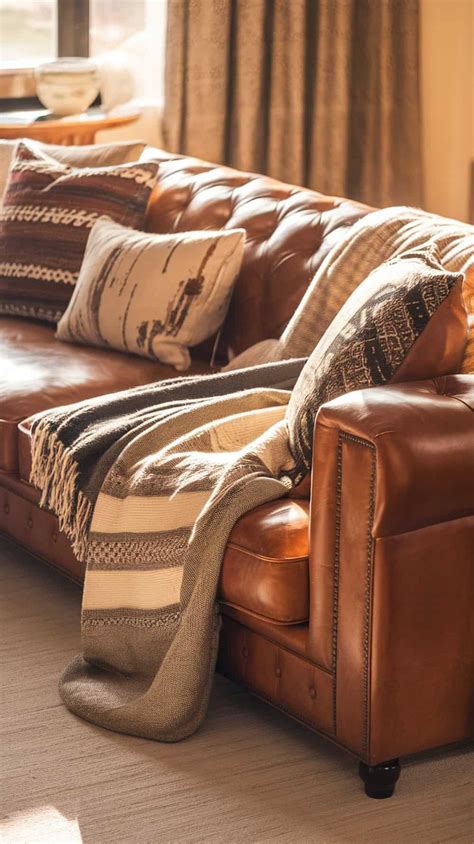
The true superpower of a genuine leather couch lies in its chameleon-like ability to anchor contrasting design sensibilities. In a modern minimalist interior, a sleek caramel or cognac-colored sofa introduces organic warmth against stark white walls, polished concrete floors, and black metal accents. The clean lines of mid-century modern profiles prevent the room from feeling austere.
For traditional or transitional American living rooms, deeper shades like dark chocolate, oxblood, or forest green leather pair wonderfully with classic woodwork, patterned area rugs, and built-in bookshelves. Industrial spaces benefit from distressed tobacco leather finishes that echo exposed brick and reclaimed wood coffee tables. By simply changing out your accent pillows, wall art, and lighting fixtures, a quality leather sofa transitions seamlessly as your personal decor preferences evolve over the years.
Practical Maintenance for Long-Term Durability
Protecting your investment does not require exhaustive daily labor, but establishing a consistent maintenance routine is essential. Regular dusting with a soft, dry microfiber cloth prevents abrasive dirt particles from settling into the natural creases of the grain. Every few months, applying a specialized leather conditioner helps maintain the hide’s natural moisture balance, preventing cracking and preserving its buttery-soft handfeel.
If you share your home with pets or children, selecting a protected top-grain leather rather than an untreated pull-up leather makes managing minor spills and claw marks much simpler. Blot liquid spills immediately with a clean, absorbent cloth rather than rubbing, and avoid placing your seating directly against heating vents or in harsh, direct sunlight to prevent premature fading and drying out over decades of use.
Frequently Asked Questions
Are real leather sofas comfortable in both warm and cold climates?
Yes, genuine breathable leather adapts to ambient room temperatures and body heat effectively. While it may feel cool initially, it quickly warms up, and adding breathable textiles or throws helps manage seasonal shifts.
How do you style a leather sofa in a small apartment versus a large living room?
In a small apartment, opt for a streamlined two-seater or apartment-sized sofa in lighter tones to keep the space feeling open. In a large living room, a substantial sectional or matching set in deep, saturated leather tones anchors the open-concept layout.
What are the differences between full-grain, top-grain, and corrected leather?
Full-grain is the most natural and durable tier with unaltered markings. Top-grain is sanded for uniformity and treated for stain resistance, making it ideal for families. Corrected leather is heavily processed and embossed for budget-friendly durability.
How can you protect a leather sofa from pets and daily wear?
Choose protected top-grain finishes that resist scratches and moisture better than aniline leathers. Use specialized leather conditioners biannually, trim pet claws regularly, and place durable throws over favorite pet-lounging spots.


