When planning a living room update, few furniture pieces anchor a space quite like a 100% natural leather sofa. Beyond its striking visual presence, genuine leather offers a tactile warmth and structural resilience that synthetic alternatives simply cannot replicate. For homeowners and renters across the United States, choosing authentic leather is an investment in both daily comfort and long-term design versatility.
Understanding what sets true natural leather apart from processed or bonded substitutes helps you make an informed choice that withstands the demands of busy American households. When properly selected and maintained, a high-grade leather couch becomes a treasured anchor piece that gracefully adapts to shifting interior design trends for decades.
Decoding 100% Natural Leather: Full-Grain vs. Top-Grain
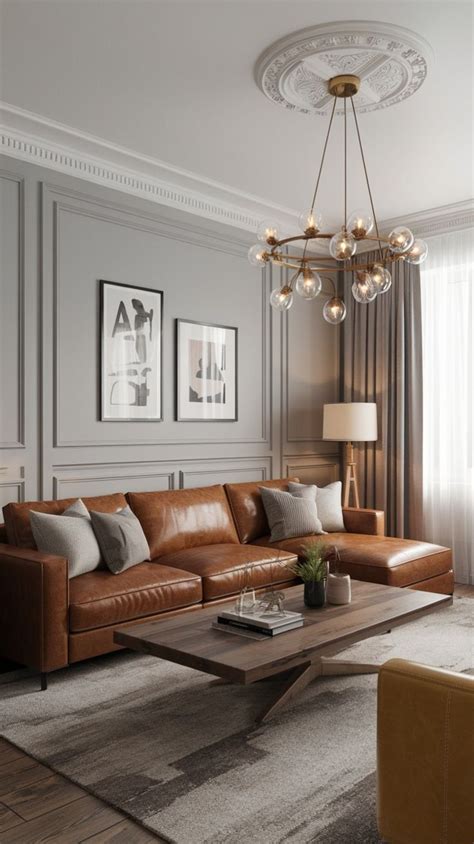
Navigating furniture showrooms requires understanding leather classifications. Full-grain leather is the highest quality grade available, utilizing the entire hide without removing the natural surface layer. This means you will see authentic characteristics such as subtle grain variations, healed scars, and growth marks, which prove the authenticity of the material. Because the outer layer remains intact, full-grain upholstery breathes exceptionally well and develops a rich, lustrous patina over years of regular use.
Top-grain leather is another excellent option, slightly sanded to remove minor imperfections before a protective finish is applied. While it lacks the raw organic evolution of full-grain, top-grain leather offers greater stain resistance and uniformity. Homeowners should deliberately avoid bonded leather, which consists of shredded leather scraps glued together onto a backing paper and coated with polyurethane. Bonded variants flake and peel within a few years, offering none of the durability or sensory appeal associated with 100% natural hides.
Styling Your Leather Sofa in Diverse American Interiors
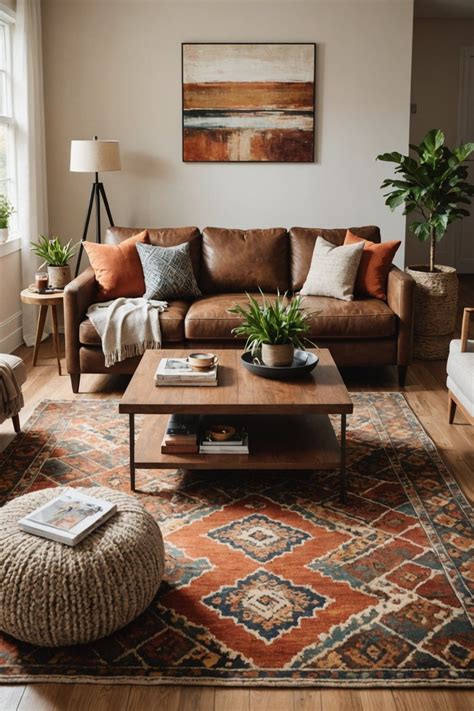
A common hesitation among decorators is that leather sofas can feel cold or institutional. However, with thoughtful layering and textural contrast, a genuine leather couch becomes the cornerstone of a warm, inviting living space. In a modern urban apartment featuring concrete or hardwood floors, pair a caramel or cognac leather sofa with a thick, high-pile wool rug and chunky knit throw pillows to instantly soften the architectural lines.
For more traditional American suburban homes or transitional spaces, rich chocolate or oxblood leather tones harmonize effortlessly with classic millwork, neutral wall colors, and classic wooden side tables. Industrial aesthetics lean naturally into distressed leather finishes, complemented by metal accents, exposed brick, and wrought-iron light fixtures. The secret lies in balancing the smooth, cool surface of the hide with tactile textiles like linen, velvet, and woven cotton.
Practical Longevity and Everyday Family Life
Many households wonder how a natural leather sofa performs under the daily wear of children and household pets. Unlike woven fabric upholstery that traps pet hair, dander, and liquid spills deep within its fibers, genuine leather provides a smooth barrier that is remarkably easy to wipe clean. While sharp pet claws can scratch softer aniline leathers, many families find that minor surface scratches simply buff away or blend into the evolving patina of semi-aniline finishes over time.
Temperature adaptation is another key characteristic of natural hides. High-quality leather adjusts quickly to body temperature, remaining cozy during cooler winter months while staying breathable and comfortable in warmer climates. By setting realistic expectations regarding natural hide characteristics and providing basic upkeep, you ensure your seating remains both functional and luxurious for years to come.
Simple Maintenance Routines for Lasting Beauty
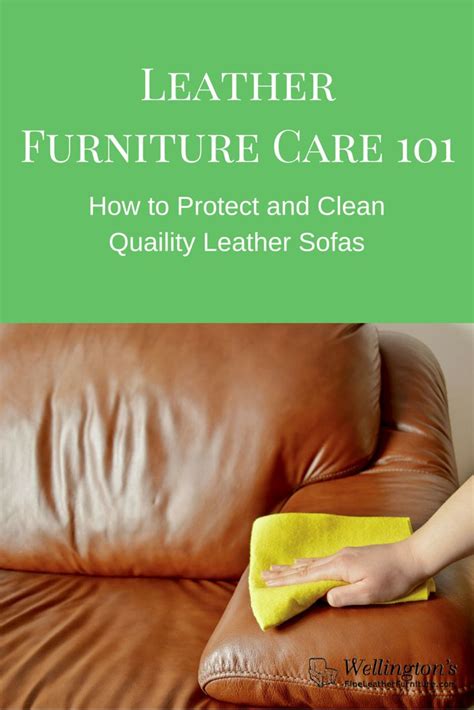
Preserving the supple feel of a 100% natural leather sofa requires a straightforward, minimal maintenance routine. Avoid harsh chemical cleaners or all-purpose surface wipes, which strip natural oils and cause premature cracking. Instead, gently dust the sofa weekly with a soft, dry microfiber cloth to prevent abrasive dirt particles from settling into the creases of the grain.
For periodic cleaning and protection, use a specialized leather cleaner followed by a conditioning balm once or twice a year. Conditioning replenishes essential moisture, keeping the hide flexible and resistant to splitting, particularly in homes with dry heating systems or intense summer sunlight. Placing your sofa away from direct heat vents and strong window glare will further protect the natural color pigmentation and structural integrity of the hide.
Frequently Asked Questions
What makes 100% natural leather different from bonded or faux leather?
100% natural leather is crafted from real animal hides that retain their authentic cellular structure, ensuring exceptional breathability, durability, and a unique aging patina. Bonded leather uses polyurethane-coated scraps glued together, while faux leather is entirely synthetic; both lack the longevity and sensory richness of genuine leather.
How do natural leather sofas hold up against kids and pets?
Genuine leather is surprisingly resilient for families because it resists spills and does not trap allergens or pet hair like fabric upholstery. While sharp claws can scratch delicate aniline finishes, semi-aniline or top-grain leathers offer greater resistance, and minor marks often blend into the natural patina.
How do you style a leather sofa to keep the living room feeling warm?
You can balance the cool, smooth texture of leather by layering your seating area with textiles like wool rugs, chunky knit throw blankets, and linen or velvet accent pillows. Combining leather with organic wood furniture and warm lighting creates a cozy, inviting atmosphere.
What is the proper way to condition and clean a genuine leather couch?
Dust your sofa weekly with a dry microfiber cloth. Every six to twelve months, apply a dedicated leather cleaner followed by a quality leather conditioner to restore essential oils, maintain flexibility, and prevent the surface from drying out or cracking.


