Living in a compact apartment often means making every square inch count, especially in the main gathering space. When floor space is limited, traditional interior design rules can easily make a room feel cramped and cluttered. Fortunately, creating an open, welcoming atmosphere does not require knocking down walls or undergoing a costly renovation. Strategic layout choices, clever storage, and thoughtful visual tricks can completely change how a room feels.
Whether you are dealing with a narrow floor plan, awkward architectural angles, or simply a lack of square footage, thoughtful planning helps transform the area. By focusing on multi-purpose elements and keeping the visual lines clean, you can establish an environment that feels both breathable and stylish. Here are ten practical decor ideas tailored specifically to help small apartment living rooms punch well above their weight class.
1. Choose Multifunctional Furniture
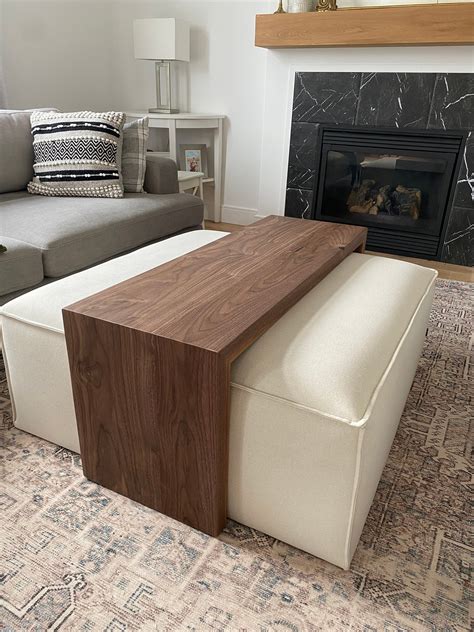
In a small living room, every single piece of furniture needs to justify its footprint. Bulky sectionals and oversized coffee tables often overwhelm compact layouts, leaving little room to move around comfortably. Instead, look for versatile items that serve more than one primary purpose without sacrificing visual appeal.
Consider swapping a traditional coffee table for an upholstered storage ottoman that holds extra throw blankets and doubles as extra seating when guests arrive. Nesting tables are another brilliant addition because they can be tucked away when you need open floor space for daily activities and pulled out individually when you need a surface for a drink or laptop.
2. Embrace Vertical Space and Wall Storage
When horizontal square footage runs out, your walls offer a vast canvas for organization and decor. Relying solely on floor-standing bookcases can make a small room feel heavy and crowded. Utilizing the vertical expanse of your walls draws the eye upward, giving the psychological impression of higher ceilings and a more expansive room.
Install floating shelves above your sofa or media console to display books, trailing plants, and meaningful objects without taking up valuable floor space. If you are a renter who wants to avoid drilling holes, look for tension-rod shelving systems or leaning ladder shelves that require minimal hardware while providing substantial vertical capacity.
3. Harness the Power of Strategic Lighting
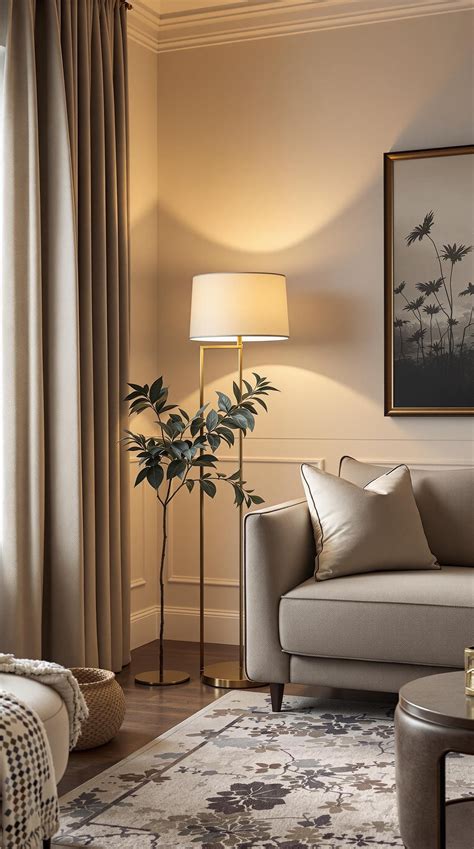
Lighting plays a monumental role in how spacious a room feels, yet overhead lighting alone often casts harsh shadows that shrink a space. Layered lighting creates depth by illuminating dark corners and bouncing light across different levels of the room, making the entire perimeter feel further away.
Incorporate a mix of floor lamps with slim profiles, wall-mounted sconces that require no hardwiring, and warm table lamps on sideboards. Placing a light source behind a piece of furniture or inside a bookshelf creates a gentle glow that visually expands the boundaries of your living room.
4. Leverage Mirrors to Duplicate Light and Space
Interior designers have relied on mirrors for decades to instantly alter the proportions of compact rooms. A well-placed mirror does not just serve a functional purpose; it acts as a window, reflecting natural light from windows and bouncing it deep into darker corners of the apartment.
Lean a large, full-length mirror against an empty wall to create an effortless, modern look without committing to permanent wall mounts. Placing a horizontal mirror directly opposite a window will instantly trick the eye into perceiving twice the depth and brightness, making a narrow living room feel significantly wider.
5. Keep the Color Palette Cohesive and Light
Color choice heavily dictates the perceived size of an apartment living room. Dark, saturated walls can feel incredibly cozy in large homes, but in tight quarters, they tend to absorb light and close in the physical boundaries. Sticking to a light, neutral base palette reflects maximum daylight and creates a seamless flow.
Soft whites, warm beiges, pale grays, and gentle greiges allow light to travel freely around the room. If you prefer bolder hues, introduce them through easily changeable accents like throw pillows, artwork, area rugs, and decorative ceramics rather than committing to dark paint on every wall.
6. Opt for Furniture with Exposed Legs
Heavy, boxy furniture that sits flush against the floor creates a visual barrier that stops the eye dead in its tracks. This optical weight makes compact rooms feel tightly packed and restricted. Selecting seating and media consoles raised on slender, exposed legs fundamentally changes the atmosphere.
When light and air can circulate underneath your sofa and armchairs, the room immediately feels lighter and more open because your vision can extend all the way to the baseboards. This single adjustment makes a surprising difference in how large an apartment living room appears.
7. Scale Your Area Rug Correctly
A common mistake in small living room design is choosing an undersized rug that floats in the middle of the floor like a postage stamp. Tiny rugs break up the flooring and visually chop the room into smaller, disjointed sections, making the entire space feel even more confined.
Instead, choose an area rug large enough so that at least the front legs of your sofa and armchairs rest comfortably upon it. Alternatively, go large enough to sit just inches away from the perimeter walls. This anchors the furniture arrangement and creates a unified visual foundation that expands the room.
8. Curate a Minimalist Styling Approach
Clutter is the ultimate enemy of small spaces. When surfaces are crowded with too many decorative objects, knick-knacks, and loose items, the human brain perceives chaos, which translates to a cramped physical experience. Adopting a curated, intentional approach to styling keeps your living room feeling serene.
Embrace negative space by leaving certain shelves partially empty and surfaces clear. When displaying decor, follow the rule of odd numbers and group items by varying heights to create visual interest without clutter. Regularly rotate seasonal items rather than displaying everything at once.
9. Hang Curtains High and Wide
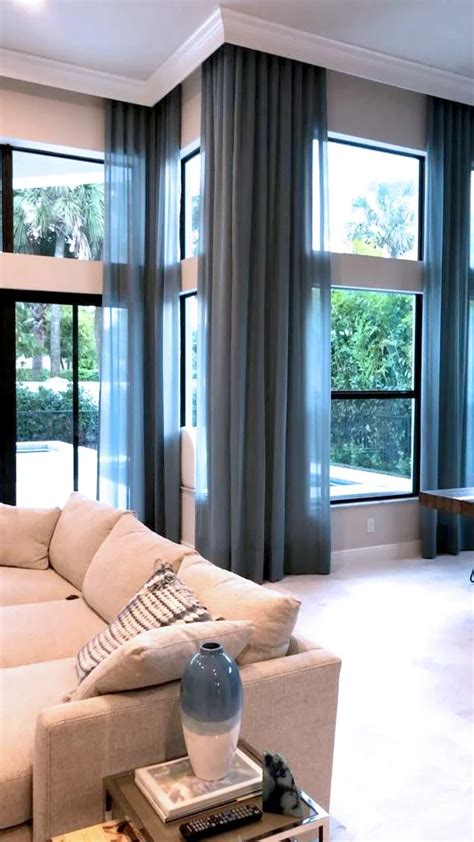
Window treatments can dramatically alter the perceived proportions of a room. Hanging curtain rods right at the top of the window frame cuts the wall horizontally and makes ceilings feel lower than they actually are.
Mount your curtain rod just a few inches below the ceiling line and extend it past the window frame on both sides. When you hang long, flowing drapery panels from this height, the eye perceives taller windows and soaring ceilings, instantly elevating the grandeur of a modest apartment living room.
10. Keep Pathways Clear and Flow Unobstructed
The best decor in the world will not save a living room if you are constantly bumping your shins on furniture. Maintaining unobstructed walking paths from the entryway into the seating area is critical for both daily comfort and visual flow.
Avoid placing large furniture pieces directly in front of main thoroughfares or blocking natural light sources. When furniture is arranged to invite effortless movement, the room feels larger, more functional, and infinitely more relaxing to spend time in after a long day.
Frequently Asked Questions
How can I make my tiny living room look bigger without renovating?
You can make a tiny living room look bigger by keeping your color palette light and cohesive, hanging curtain rods near the ceiling, utilizing mirrors to reflect light, and choosing furniture with exposed legs that allow light to pass underneath.
What kind of furniture works best in a small apartment?
Multifunctional and appropriately scaled furniture works best. Look for storage ottomans, nesting tables, sofa beds, and modular seating that can adapt to your needs without overwhelming the available floor space.
How do I arrange furniture in a narrow or cramped living room?
In a narrow living room, float your furniture away from the walls rather than pushing everything against the perimeter. Keep main pathways unobstructed, use slim-profile seating, and anchor the arrangement with a generously sized area rug.
What are some renter-friendly ways to decorate a small living room?
Renters can use tension-rod shelving, leaning ladder shelves, peel-and-stick wallpaper accents, large leaning mirrors, and vibrant area rugs or throw pillows to personalize their space without violating lease agreements.


