Furnishing a home in the United States without breaking the bank requires knowing where to look beyond standard retail floors. For homeowners and renters seeking stylish sofas, dining sets, and bedroom suites at a fraction of standard retail costs, exploring dedicated discount hubs can yield significant savings. Among the most popular destinations for marked-down home goods are specialized clearance centers operated by major regional retailers, offering an alternative to traditional retail showrooms.
Understanding how these inventory hubs operate helps shoppers secure exceptional pieces while avoiding common pitfalls. Because these locations handle high volumes of rotating stock, the purchasing experience differs substantially from buying brand-new items off a standard showroom floor. A strategic approach ensures you find durable, attractive furniture that fits both your aesthetic and your budget.
What Sets Rooms To Go Outlet and Warehouse Locations Apart
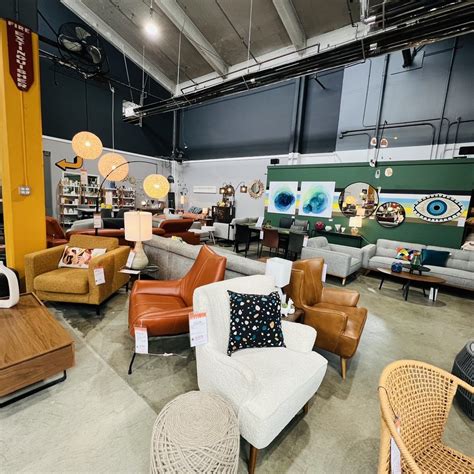
Standard retail furniture stores typically display curated collections designed to be ordered new from a manufacturer. In contrast, outlet and warehouse locations generally house physical inventory that is ready to leave the building immediately. This means the sofa, mattress, or accent chair you see on the sales floor is often the exact item you will take home.
The inventory arriving at these massive warehouse facilities usually stems from a few specific sources. Retailers frequently clear out discontinued lines, overstocked items from regional distribution hubs, floor samples, and pieces with minor cosmetic blemishes acquired during transit. Recognizing these inventory categories helps buyers evaluate the true value of each markdown and determine whether a piece requires any minor touch-ups after purchase.
Types of Furniture and Condition Classifications
When browsing discount warehouse facilities, inventory is rarely uniform. Pieces are generally categorized by their condition, ranging from pristine factory-sealed boxes to floor models that have been handled by shoppers. Knowing what to inspect prevents surprises once the furniture is placed inside your living room or bedroom.
Many items featured in these locations fall into the overstock or discontinued category, meaning they are brand new and structurally identical to what you would find in a primary showroom. Other pieces may be classified as scratch-and-dent, featuring minor scuffs on hidden wooden legs or small fabric pulls that are easily remedied. Evaluating these cosmetic flaws against the steep price reduction is a fundamental part of successful discount furniture shopping.
Essential Strategies for Shopping Furniture Warehouses Effectively

A successful trip to a clearance center requires preparation before you ever leave the house. Because merchandise moves quickly and inventory is unique to each location, impulse buying without a plan can lead to purchasing items that do not fit your space or lifestyle.
Always measure your doorways, hallways, and intended room layouts meticulously before browsing. Bring a tape measure, color swatches of your existing paint or flooring, and a realistic budget. Furthermore, timing your visit can influence your selection; many warehouse locations receive updated shipments mid-week, making Tuesday and Wednesday mornings ideal times to find newly discounted arrivals before the weekend rush.
Navigating Delivery, Pickup, and Warranty Realities
Purchasing items from an outlet environment involves different logistics compared to standard retail orders. Many discounted pieces are sold on a final-sale basis, making a thorough physical inspection before checkout absolutely essential. Inspect zippers, reclining mechanisms, drawer tracks, and joint stability carefully.
Logistical planning is equally important for transportation. While some centers offer delivery services for an additional fee, many shoppers choose to bring a truck, van, or trailer to haul items home immediately and save on shipping costs. Additionally, buyer protection plans and manufacturer warranties may vary for clearance or scratch-and-dent merchandise, so always verify the exact store policy regarding returns and guarantees prior to swiping your card.
Frequently Asked Questions
Where are Rooms To Go Outlet warehouses typically located?
Outlet and clearance centers are usually situated near major metropolitan areas or adjacent to primary regional distribution hubs across the Southern and Eastern United States. Checking the store locator on the official corporate website is the most reliable way to find the closest facility to your zip code.
Are outlet furniture pieces lower in quality than standard showroom items?
No, the core manufacturing quality remains identical. Most outlet inventory consists of the exact same factory production lines as standard retail stock. The lower price point is typically driven by overstock situations, discontinued styling, or minor cosmetic transit blemishes rather than a drop in build standards.
Can you negotiate prices at a furniture outlet warehouse?
Unlike traditional retail showrooms where managers may have some pricing flexibility, warehouse outlet prices are generally pre-marked at their lowest clearance level. However, additional manager discounts may occasionally apply to floor samples that have been on display for extended periods or items with more noticeable cosmetic wear.
How do return and delivery policies work for clearance merchandise?
Clearance and outlet purchases are frequently sold on a final-sale basis, meaning traditional return windows may not apply. It is crucial to inspect all pieces thoroughly on-site and confirm the specific store policy regarding damage claims, delivery liability, and third-party hauling before finalizing your transaction.


