Redesigning the central gathering space in your home does not require an unlimited budget or a complete architectural overhaul. Many homeowners and renters assume that achieving a polished, magazine-worthy interior demands expensive furniture and professional styling services. In reality, some of the most striking room transformations rely on careful editing, strategic resource allocation, and simple DIY enhancements that cost very little.
By shifting your focus toward high-impact adjustments rather than wholesale replacements, you can completely alter the atmosphere of your room while keeping your bank account secure. This guide explores practical, design-forward methods to elevate your living area, whether you own your home or rent and need non-permanent solutions.
Assessing Your Layout and Decluttering with Purpose
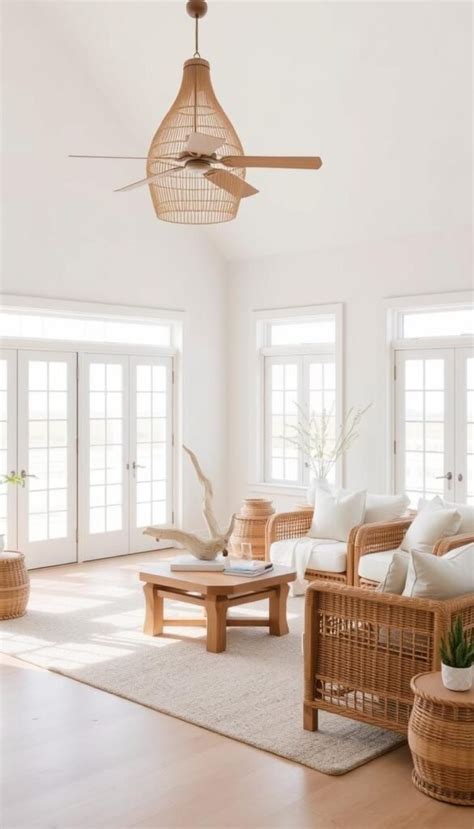
Before spending a single dollar on new decor or paint, the most cost-effective step is to thoroughly evaluate your existing layout. Often, living rooms feel cramped or uninspired simply because furniture blocks natural pathways or overcrowding hides architectural features. Start by clearing out items that do not serve a functional or aesthetic purpose in the space, creating a clean slate for your new design vision.
Experiment with floating your furniture away from the walls to encourage better conversation flow and make the room feel more expansive. If you are working within a smaller apartment footprint, prioritize multi-functional pieces like storage ottomans or nesting coffee tables that reduce visual clutter without taking up extra square footage. Taking the time to rearrange what you already own costs nothing and frequently yields the most dramatic spatial improvement.
High-Impact Paint and Color Strategies
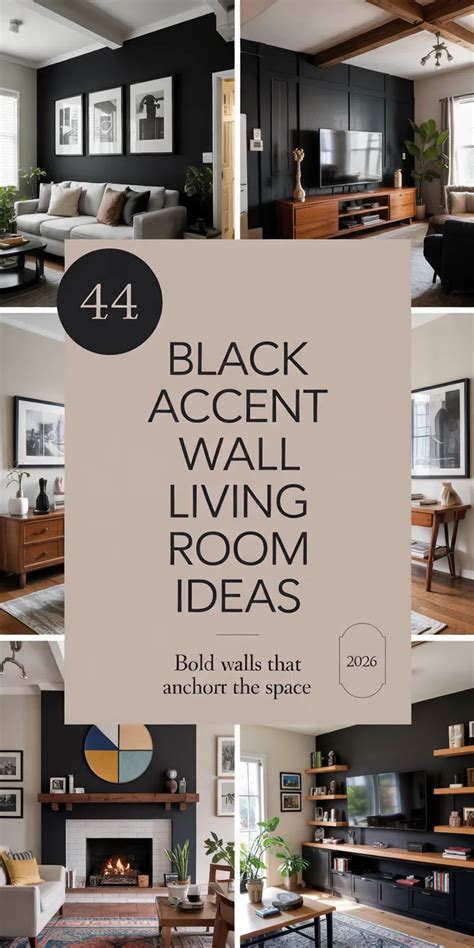
Color has the most powerful psychological and visual impact on any interior, making paint one of the highest-return investments in home design. If painting the entire room feels daunting or restricted by your lease agreement, consider painting a single accent wall, a dramatic bookshelf backing, or even an interior door. Selecting a sophisticated, muted earth tone or a deep, moody neutral can instantly make inexpensive furniture look high-end and intentional.
For renters who cannot pick up a paintbrush, focus on introducing color through large-scale removable wallpaper panels or vibrant textiles. Wall hangings, oversized canvas art, and rich drapery panels provide the same visual anchoring as a painted accent wall without violating lease agreements. When building your color palette, stick to the time-tested sixty-thirty-ten rule: sixty percent dominant neutral, thirty percent secondary color, and ten percent accent hue to maintain visual harmony.
Strategic Textile Layering and Lighting Upgrades
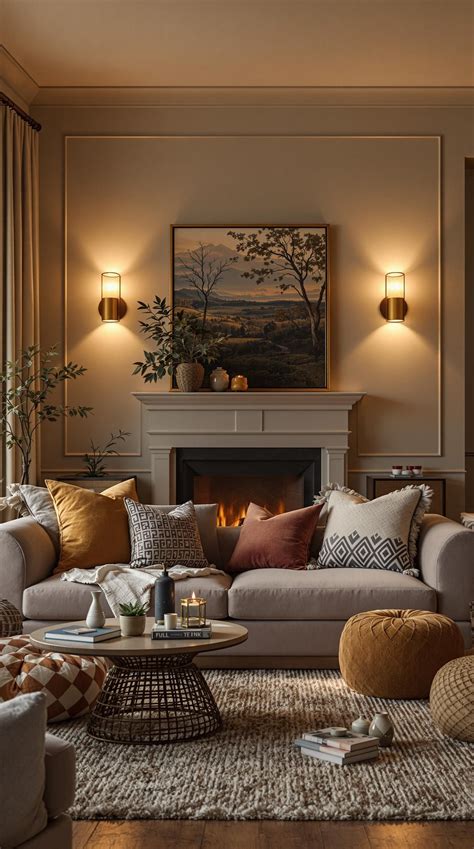
Lighting and textiles are the secret tools interior designers use to transform flat, builder-grade rooms into warm, inviting sanctuaries. Overhead lighting alone often feels harsh and clinical, so introduce multiple layers of light using inexpensive table lamps, floor lamps, and warm-toned LED bulbs. Positioning a mirror directly opposite your main light source or window will also bounce natural daylight around the room, instantly brightening dark corners.
When it comes to textiles, prioritize large-scale area rugs and heavy curtains to anchor your furniture arrangement. A common mistake is buying a rug that is too small, which makes the room feel disjointed and cramped; choose a size where at least the front legs of your seating rest comfortably on the fabric. Layering plush throw blankets and textured pillows in varied fabrics like linen, wool, and velvet adds tactile richness that elevates the entire aesthetic.
Upcycling and Sourcing Budget-Affordable Furnishings
Purchasing brand-new furniture can quickly exhaust your funds, which makes second-hand sourcing and upcycling essential strategies for a budget makeover. Local thrift stores, online marketplaces, and community clearance groups are treasure troves for solid wood furniture that simply needs a modern update. Swapping out dated brass hardware for sleek matte black pulls, or giving a tired side table a fresh coat of chalk paint, can yield results that rival high-end retail pieces.
If you prefer a more contemporary look, focus your spending on one hero piece—such as a comfortable sofa or a well-made media console—and save on accents like side tables, decorative trays, and lighting. Mixing high-end or upcycled statement pieces with budget-friendly accessories creates a curated, collected-over-time look that feels deeply personal and far more sophisticated than matching catalog sets.
Frequently Asked Questions
How can I make my living room look expensive on a strict budget?
To make your living room look high-end without overspending, focus on details that communicate luxury and intentionality. Hang your curtain rods close to the ceiling and use extra-long drapes to create the illusion of tall windows. Replace generic cabinet or furniture hardware with heavier, architectural metal pulls. Finally, declutter surfaces and invest in a few oversized statement pieces rather than cluttering shelves with many small, inexpensive trinkets.
What are the best high-impact updates for renters who cannot make permanent changes?
Renters can achieve dramatic transformations by utilizing non-permanent, damage-free decorating strategies. Command hooks and strips allow you to hang substantial art galleries without leaving large holes in the drywall. Layering large area rugs over neutral or dated carpeting instantly shifts the room’s color story. Additionally, floor-to-ceiling shelving units, plug-in wall sconces, and freestanding accent furniture let you personalize your space completely while ensuring your security deposit remains safe.
Where should I invest versus save when redecorating a living room?
As a general design rule, invest your money in items that experience heavy daily physical use and require high durability, such as your primary sofa, a solid coffee table, and quality mattress or seating foundations. Save your budget on decorative accents, throw pillows, seasonal textiles, wall art, and smaller side tables. These secondary items change frequently with trends and personal tastes, making lower-cost alternatives the smartest financial choice.
How do I choose a cohesive color palette without professional design help?
Start by drawing inspiration from an anchor item you already own and love, such as a favorite piece of art, a patterned rug, or a striking throw blanket. Pull three colors from that anchor piece: a dominant neutral for your walls and large furniture, a secondary color for curtains and rugs, and a bold accent color for smaller accessories. Limiting your palette prevents visual chaos and ensures your living room feels unified and professionally designed.


