Refreshing the main gathering space in an American home does not always require a massive renovation or an entirely new set of belongings. Often, the secret to a successful transformation lies in how you arrange your existing pieces, select versatile anchors, and integrate carefully chosen upgrades from regional retailers like HOM Furniture. Whether you occupy a cozy urban apartment or a sprawling suburban open-concept floor plan, balancing everyday utility with inviting aesthetics creates a room that feels genuinely renewed.
Successful living room revamps begin with a careful evaluation of how your family actually uses the space. Before browsing online catalogs or visiting a showroom, take note of natural traffic paths, light sources, and awkward architectural quirks such as diagonal fireplaces or unmanageable wall lengths. By understanding these spatial parameters, you can select furniture configurations that maximize comfort while maintaining an open, breathable atmosphere.
Anchor Your Space with the Right Seating Arrangement
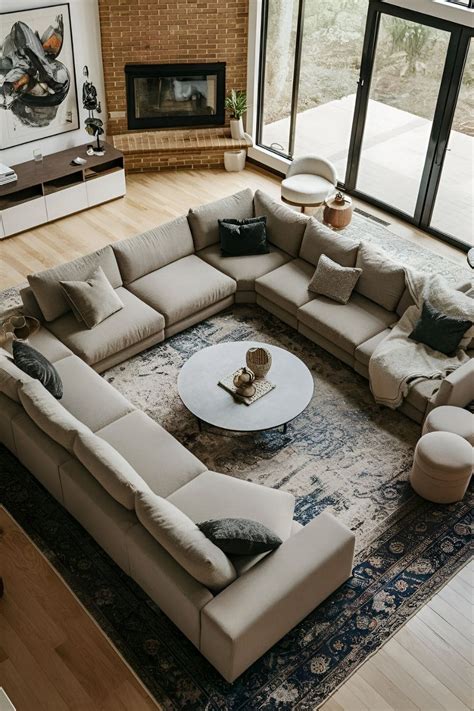
The layout of any living room typically revolves around its largest furniture piece: the sofa or sectional. When shopping through comprehensive catalogs like those offered by HOM Furniture, consider how the scale of your seating aligns with the room dimensions. In open-concept suburban homes, a large L-shaped sectional can naturally divide an expansive floor plan into distinct living and dining zones without the need for physical partitions.
For more compact apartments or formal sitting rooms, a classic stationary sofa paired with a complementary armchair often preserves precious floor area. Positioning these main seating anchors away from walls—even by just a few inches—creates a more custom, designer-oriented look that instantly elevates the entire room. Incorporating modular pieces also provides future flexibility, allowing you to reconfigure your layout as your lifestyle or home size changes over time.
Balance Textures and Layers for Visual Depth
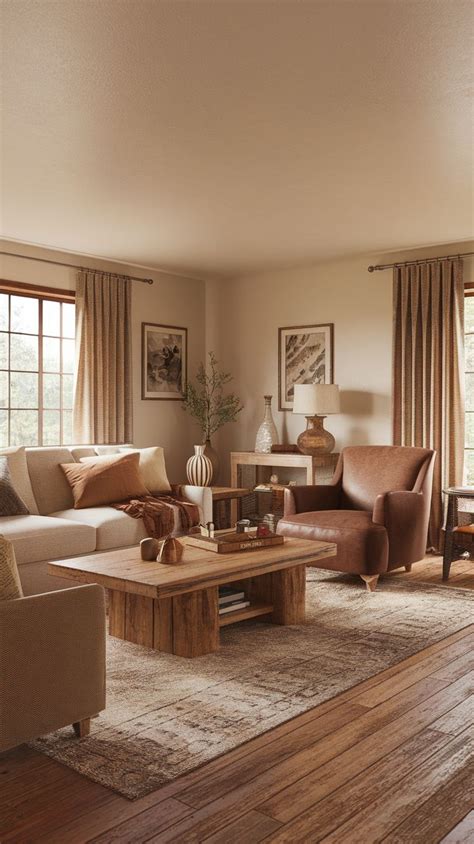
A room populated entirely by matching wood tones or uniform fabrics can quickly feel flat and uninspired. Introducing a rich variety of textures is one of the most effective design strategies to make a living room feel warm and curated. Combine smooth leather or performance fabric sofas with woven wool rugs, reclaimed wood accent tables, and metallic lighting fixtures to establish a layered aesthetic that invites touch.
When selecting accessories from regional collections, pay close attention to how different surfaces interact under natural daylight and evening lamps. Placing a plush, high-pile rug beneath a sleek wooden coffee table establishes a grounding foundation, while knitted throw blankets and linen-blend pillow covers soften the crisp lines of contemporary seating. This careful interplay of textures adds character and warmth without overwhelming the visual harmony of the room.
Integrate Smart Storage Solutions to Minimize Clutter
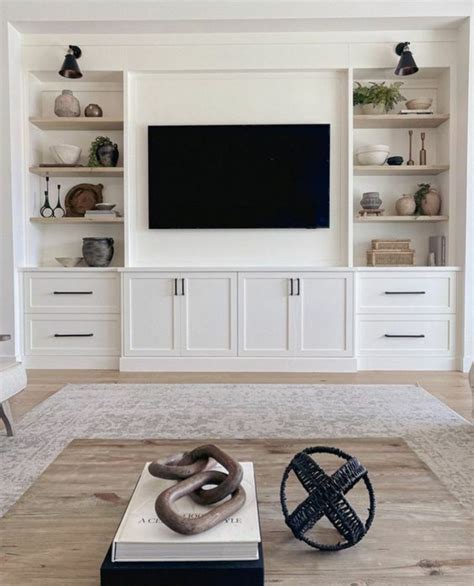
Even the most stylish living room loses its appeal when everyday items like remotes, electronics, and children’s toys spill out onto open surfaces. Integrating multifunctional furniture pieces is a practical way to maintain a clean environment, particularly in busy households. Look for media consoles with deep cabinetry, storage ottomans that double as extra seating, or coffee tables featuring hidden lift-tops.
Utilizing vertical space is another effective strategy for keeping the floor footprint clear. Tall bookcases or floating wall shelves draw the eye upward while providing ample room to display cherished books, ceramics, and personal mementos. By establishing designated homes for everyday items, you ensure that the living room remains a tranquil, organized sanctuary at the end of a long day.
Frequently Asked Questions
How can I make a small living room feel larger with new furniture?
Opt for furniture with exposed legs, such as mid-century modern sofas and media consoles, which allow light to pass underneath and visually expand the floor space. Additionally, choose multi-functional items like nesting tables or storage ottomans to reduce clutter.
What is the best way to arrange a sectional sofa in an open-concept home?
In an open-concept space, use the back of the sectional to define the boundary of the living area. Floating the sectional away from the walls rather than pushing it into a corner creates a cozy, purposeful conversation zone.
How do I mix different wood finishes in my living room decor?
To successfully mix wood tones, anchor the room with one dominant finish and use complementary tones for smaller accent pieces. Ensure the undertones—whether warm, neutral, or cool—share a similar family to maintain visual cohesion.


