Transforming the heart of your home requires a delicate balance between aesthetic ambition and practical reality. Whether you own a classic suburban colonial or rent a compact urban apartment, updating your living space does not always demand a total architectural overhaul. By categorizing projects into non-permanent tenant solutions and permanent homeowner investments, you can tailor your approach to fit your exact budget, lease agreements, and long-term lifestyle goals.
American living rooms serve multiple functions, acting as relaxation zones, home offices, and entertainment centers. This comprehensive guide outlines 55 distinct, innovative remodeling and refresh strategies designed to address varied spatial constraints, legal limitations, and personal style preferences across the United States. Read on to discover actionable design interventions that elevate daily living.
Renter-Friendly Upgrades That Protect Your Deposit (Ideas 1–18)
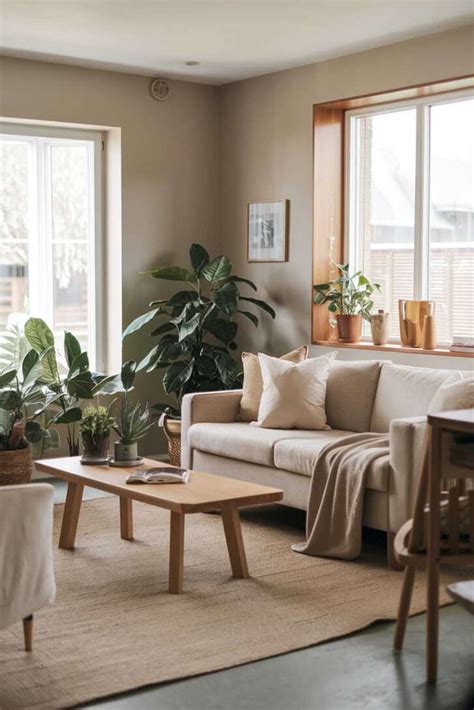
Renting in the United States often comes with strict lease limitations regarding paint, hardware changes, and permanent wall modifications. However, modern manufacturing offers brilliant alternatives that deliver high-end design without risking your security deposit. The secret lies in utilizing removable materials that mimic permanent construction while remaining completely reversible upon moving out.
Renters can achieve sophisticated transformations by focusing on surfaces, soft furnishings, and non-permanent hardware. Below is a curated selection of renter-safe strategies that make a dramatic visual impact without leaving lasting structural changes behind.
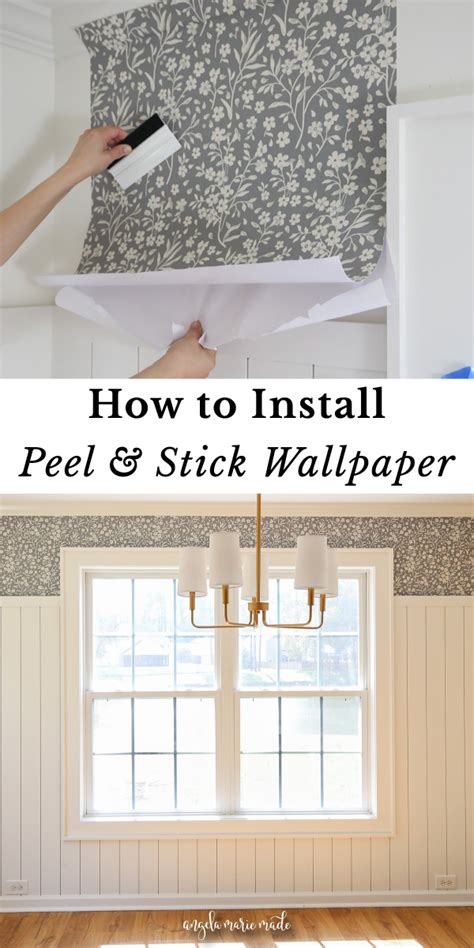
- Peel-and-Stick Accent Walls: Apply removable geometric or botanical wallpaper to a single feature wall behind your sofa.
- Command-Strip Gallery Displays: Hang lightweight framed art using heavy-duty adhesive strips to avoid putting nails in drywall.
- Tension-Rod Floating Shelving: Utilize floor-to-ceiling pressure-mounted shelving units to display books and plants without drilling.
- Plug-In Wall Sconces: Install swing-arm wall lights that plug into standard outlets, eliminating the need for hardwiring.
- Removable Vinyl Tile Flooring: Place peel-and-stick tiles over dated linoleum in small entryways or hearth pads.
- Temporary Window Film: Apply frosted or stained-glass privacy film to street-facing living room windows.
- No-Drill Curtain Rod Brackets: Use adhesive drapery hooks to hang lush, floor-length linen curtains.
- Slipcovered Seating: Revive a neutral or dated rental sofa with a custom-fitted, washable performance fabric slipcover.
- Layered Area Rugs: Place a large, neutral jute rug underneath a patterned vintage-style rug to anchor an open seating group.
- Movable Media Consoles: Use freestanding credenzas with cord-management channels to hide electronics without wall mounting.
- Adhesive Trim Molding: Create faux picture-frame wall moldings using lightweight polystyrene strips attached with removable mounting tape.
- Smart Bulb Lighting Swaps: Replace standard bulbs with color-changing smart LEDs to instantly alter the ambient mood.
- Free-Standing Fireplace Inserts: Add warmth and visual focus with an electric faux-fire mantel that requires no gas line.
- Acoustic Wall Panels: Mount felt slat panels using damage-free fasteners to improve room acoustics and modern texture.
- Oversized Leaner Mirrors: Prop a large floor mirror against a bare wall to bounce natural light around the room.
- Magnetic Vent Covers: Replace utilitarian floor vent grates with modern, decorative metal registers.
- Modular Plant Stands: Build a vertical indoor garden using tension pole plant holders to add organic life.
- Under-Couch Ambient Lighting: Stick LED light strips beneath your media console or sofa for subtle floor illumination.
High-Impact Permanent Renovations for Homeowners (Ideas 19–37)
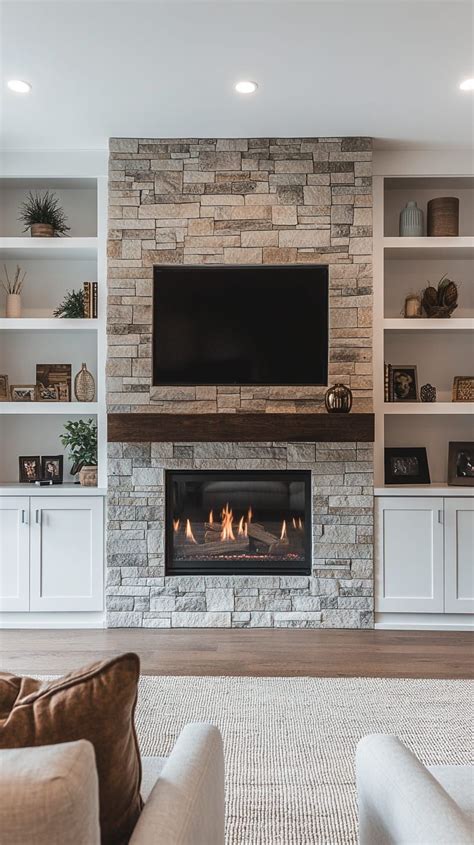
Homeowners have the distinct advantage of undertaking structural enhancements that yield long-term equity and daily functional improvements. Investing in custom built-in cabinetry around a fireplace or television niche eliminates clutter while adding timeless architectural character. Rather than relying entirely on freestanding furniture, built-ins maximize vertical space and anchor the room with professional craftsmanship.
Flooring and molding upgrades represent another powerful avenue for home transformation in American properties. The following permanent renovation concepts provide enduring value, architectural interest, and superior material durability for households ready to invest in their permanent real estate.
- Custom Built-In Bookcases: Frame your fireplace or main living room wall with floor-to-ceiling custom cabinetry and shelving.
- Wide-Plank Hardwood Flooring: Replace worn carpet or narrow strips with durable white oak or hickory engineered planks.
- Classic Crown Molding: Install substantial ceiling molding to establish refined transitional style and shadow lines.
- Board-and-Batten Wainscoting: Add character to blank drywall by constructing geometric wooden wall paneling painted in rich, moody tones.
- Gas Fireplace Conversion: Transform an outdated wood-burning hearth into a clean-burning, push-button modern gas fireplace.
- Coffered Ceiling Design: Build overhead wooden beam structures to add incredible depth and luxury to tall living rooms.
- Recessed LED Can Lighting: Remove dated center dome lights and install layered, dimmable architectural canister lighting.
- Pocket Doors: Replace standard swinging interior doors with space-saving pocket doors connecting to hallways.
- Structural Beam Exposure: Uncover and sand original ceiling timber support beams for rustic character.
- Built-In Window Benches: Construct a cozy reading nook beneath a large picture window complete with hidden storage drawers.
- Custom Wet Bar Niche: Carve out a small beverage center with a mini fridge and floating glass shelving under the stairs.
- Heated Radiant Flooring: Install electric radiant heating mats underneath luxury tile or stone hearth surrounds.
- Arched Doorway Transitions: Soften sharp 90-degree drywall openings by framing elegant curved archways.
- Solid Wood Interior Doors: Upgrade hollow-core builder-grade doors to heavy, sound-insulating five-panel wood doors.
- Hardwired Floor Outlets: Cut power outlets directly into the subfloor beneath your coffee table for seamless lamp charging.
- Stone Veneer Fireplace Surrounds: Clad your living room fireplace chimney in authentic stacked ledger stone or limestone slabs.
- Automated Motorized Blinds: Hardwire motorized roller shades into smart home systems for effortless light control.
- Drop-Zone Mudroom Built-Ins: If your living room opens directly to the entry, build cohesive storage cubbies and coat hooks.
- Interior Transom Windows: Add glass transoms above interior doors to draw borrowed natural light between rooms.
Layout Strategies for Challenging American Living Room Footprints (Ideas 38–55)
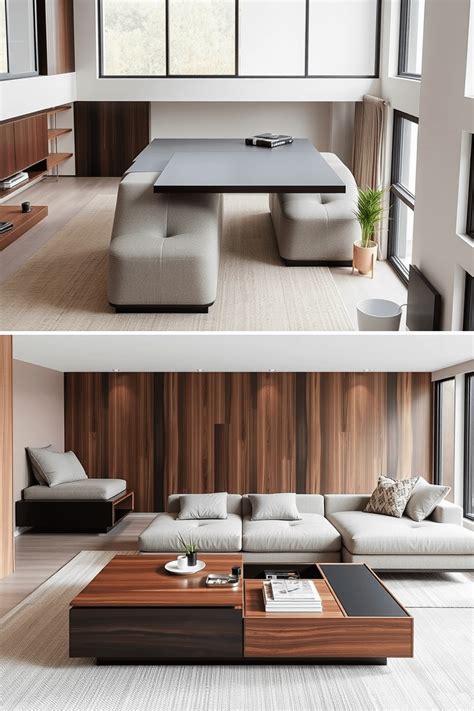
Awkwardly shaped living rooms, open-concept transitional spaces, and compact apartment floor plans frequently challenge interior decorators across the country. The key to mastering these spaces is intentional zoning. Instead of pushing all seating flush against the perimeter walls, float your main sofa and accent chairs closer to the center of the room to encourage intimate conversation areas.
In smaller urban spaces, spatial efficiency is paramount. Utilizing clever furniture configurations, vertical storage, and visual trickery ensures that even the most compact footprints feel open, balanced, and highly functional. Explore the remaining design strategies tailored specifically for diverse architectural layouts.
- Floating Seating Arrangements: Pull sofas away from walls to create an intimate conversation hub in open-concept spaces.
- L-Shaped Sectional Zoning: Use a modular sectional to naturally divide an open living and dining room layout.
- Nesting Coffee Tables: Deploy multi-tier tables that expand when hosting and tuck away when floor space is needed.
- Slim-Profile Media Credenzas: Choose shallow furniture pieces to preserve narrow walkways in urban apartments.
- Vertical Drapes Hung High: Mount drapery rods just below the ceiling line to visually stretch wall heights.
- Leggy Mid-Century Furniture: Select sofas and chairs with exposed wooden legs that allow light to pass underneath.
- Diagonal Furniture Placement: Angle a reading chair in a tight corner to break up boxy room proportions.
- Multi-Functional Storage Ottomans: Use upholstered ottomans that double as extra seating and hidden blanket storage.
- Asymmetrical Gallery Walls: Balance awkward angled walls by arranging art organically around architectural quirks.
- Zonal Lighting Anchors: Pair specific furniture layouts with dedicated floor lamps and table lights to define micro-spaces.
- Low-Profile Backless Benches: Utilize backless seating near windows to maintain uninterrupted outdoor views.
- Open Metal-Frame Shelving: Prevent heavy visual bulk in small rooms by using airy, open-backed shelving units.
- Glass-Top Cocktail Tables: Introduce transparency into compact rooms to maintain an uninterrupted line of sight.
- Scale-Matching Accent Chairs: Pair a large sofa with compact armchairs to avoid overwhelming small square footage.
- Dual-Purpose Home Office Nook: Integrate a sleek, floating wall desk that blends seamlessly into the living room aesthetic.
- Corner Media Placement: Free up prime wall space by placing your television in an optimized corner console unit.
- Reflective Metallic Surfaces: Incorporate brass, glass, or polished nickel decor pieces to amplify ambient light reflection.
- Unobstructed Traffic Paths: Plan clear 3-foot walking arteries through the room to ensure comfortable, frustration-free movement.
Frequently Asked Questions
How can renters upgrade a living room without violating lease agreements?
Renters can utilize peel-and-stick wallpaper, plug-in wall sconces, tension-rod window treatments, and area rugs to dramatically alter their living space. Always review your specific lease terms and choose renter-safe adhesives designed to remove cleanly without damaging drywall or trim.
What are the highest ROI living room improvements for homeowners?
Installing custom built-ins, upgrading to wide-plank hardwood flooring, adding classic architectural millwork like crown molding, and improving layered lighting design consistently offer strong visual and functional returns for homeowners.
How do I make a compact US living room feel larger?
Maximize natural light by keeping windows unobstructed, hang drapery panels high and wide, choose leggy furniture that lets light pass underneath, and incorporate large-scale mirrors to reflect illumination across the room.


