Finding the right accent chair is often the missing puzzle piece in a living room, bedroom, or home office. Beyond filling an awkward corner, the ideal chair anchors a seating arrangement and injects personal style into your environment. For American homeowners and apartment renters alike, the challenge lies in balancing visual appeal with physical comfort, spatial constraints, and long-term durability. Whether you need a cozy spot for reading or a striking silhouette to complete your open-concept layout, taking a methodical approach ensures you invest in a piece that serves you well for years.
Assessing Scale and Spatial Flow in US Floor Plans
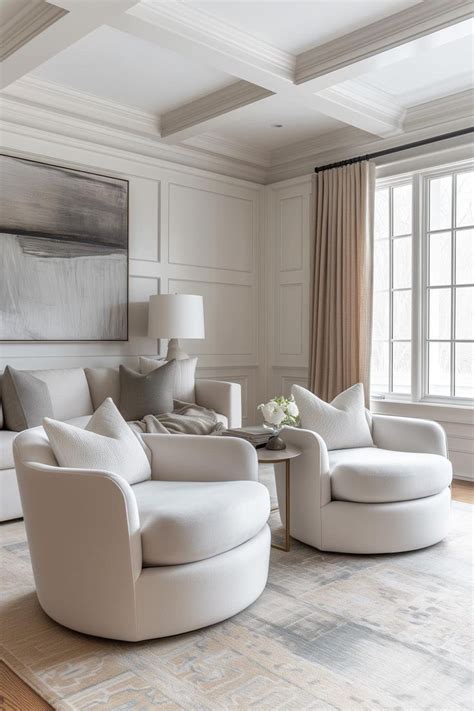
Before falling in love with a bold pattern or an oversized silhouette, evaluate the physical dimensions of your room. American homes feature diverse layouts, ranging from historic split-levels with distinct, enclosed rooms to modern urban apartments with expansive open-plan living areas. A chair that looks compact in a high-ceilinged suburban living room might completely overwhelm a standard two-bedroom apartment. Use painter’s tape on the floor to outline the footprint of the chair you are considering, ensuring you leave at least eighteen inches of clearance around it for comfortable walking pathways.
Scale goes beyond floor dimensions; vertical height matters just as much. Low-profile lounge chairs work wonderfully in minimalist spaces or rooms with lower ceilings, maintaining an open line of sight across the room. Conversely, high-backed wingbacks or sculptural swivel chairs draw the eye upward, adding architectural weight to rooms with vaulted ceilings. Renters should also consider logistical realities, such as narrow apartment stairwells, tight elevator dimensions, and standard 36-inch doorways, ensuring the furniture can actually be brought inside without structural gymnastics.

Once you verify the physical measurements, consider the visual weight of the frame. Open-leg designs made from exposed wood or slender black metal allow light to pass underneath, making compact living spaces feel airier and more expansive. In contrast, heavy, skirted armchairs anchor a room firmly, providing a traditional, grounded look that suits larger, established spaces better than compact rentals.
Balancing Aesthetic Impact with Everyday Ergonomics

An accent chair must bridge the gap between being a stunning design element and a functional seat. If a chair is purely decorative, family members and guests will naturally avoid sitting in it, turning an expensive investment into an unused sculpture. Determine the primary function of the chair before purchasing: will it be used daily for reading and watching television, or occasionally for conversation when hosting dinner guests? High-use chairs require supportive high-density foam cushions and adequate back support, while occasional chairs can prioritize sleek lines and firmer padding.
Arm height and seat depth are critical measurements that dictate comfort across different body types. Standard lounge chairs typically feature deeper seats that invite you to lean back, whereas accent chairs intended for a desk or a dining nook require a shallower seat and a more upright posture. Testing these measurements online or in a showroom prevents the disappointment of receiving a gorgeous chair that leaves your lower back aching after ten minutes of sitting.
Selecting Durable Fabrics for Real American Households
Material selection determines how well your accent chair withstands daily life, pets, children, and changing seasonal climates across different US regions. High-traffic households benefit immensely from performance fabrics, tightly woven linens, or durable leathers that resist stains and wear. Velvet adds rich texture and sophisticated color depth, making it a popular choice for formal sitting rooms, though it requires gentle maintenance to prevent crushing and staining.
If you live in a sun-drenched coastal climate or a home with large south-facing windows, prioritize fade-resistant synthetic blends or solution-dyed acrylics. Natural fibers like untreated cotton or delicate silks can degrade rapidly under intense UV exposure. For households with cats or dogs, tightly woven textured fabrics or smooth leathers discourage scratching compared to loose weaves like chenille, which easily catch claws and pull threads.
Renter-Friendly Strategies for Adaptable Seating
Renters face unique interior design challenges, primarily the need for furnishings that can transition gracefully to entirely different floor plans upon moving. When selecting an accent chair as a renter, versatility is your greatest asset. Choose neutral or versatile accent colors that can adapt to different wall paint colors, flooring types, and lighting conditions in future homes. A mid-century modern armchair in charcoal gray or warm cognac leather effortlessly shifts from a rustic suburban rental to a sleek downtown high-rise.
Portability is another essential factor for renters who move frequently. Lightweight chairs that are easy to disassemble or maneuver through tight corridors save you time, energy, and moving costs. Multi-functional pieces, such as a compact swivel chair that can serve as extra seating around the living room coffee table or pull up to a temporary work-from-home desk, maximize utility without adding unnecessary clutter to a smaller footprint.
Frequently Asked Questions
How do I know if an accent chair should match or contrast my sofa?
An accent chair does not need to match your sofa; in fact, contrasting pieces create a more curated, interior-designer look. Instead of matching fabrics, tie the chair to the rest of the room by echoing a color found in your throw pillows, area rug, or wall art. If your sofa features a neutral solid fabric, use your accent chair to introduce a bold pattern or a rich, saturated color.
What is the difference between an accent chair and a standard lounge chair?
While the terms often overlap, standard lounge chairs prioritize deep, relaxed ergonomics and are usually designed as the main comfort seating in a casual den. Accent chairs generally focus more on visual aesthetics, unique silhouettes, and sculptural presence, functioning as a decorative punctuation mark within a broader room design while still offering functional seating.
How can I protect my accent chair from pets?
To protect your chair from pets, choose performance fabrics with a tight weave, such as microfibers or heavy-duty synthetic blends, which prevent claws from snagging. Avoid loose weaves, tweed, and delicate silks. Additionally, applying a professional fabric protector spray upon purchase can create an invisible barrier against pet hair, oils, and unexpected stains.


