Refreshing your main gathering space does not require a complete architectural overhaul or an unlimited budget. Across typical American homes—from compact urban apartments to sprawling suburban ranch houses—the secret to a stunning transformation lies in working intentionally with your architectural layout, lighting conditions, and daily lifestyle needs. When you approach interior updates with a clear framework, you can turn a dated or uninspired layout into an inviting, highly functional sanctuary that feels entirely renewed.
Maximizing Space in Compact American Apartments
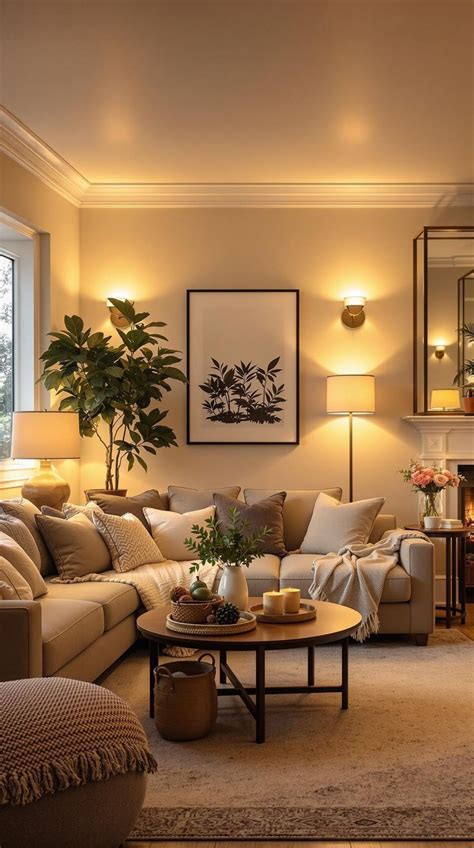
Urban living often means working with limited square footage and narrow living room dimensions. To make a smaller room feel expansive rather than cramped, focus on furniture scale and floor exposure. Choosing sofas and accent chairs with exposed legs allows light to travel underneath the furniture pieces, tricking the eye into perceiving a larger floor area. Furthermore, positioning your primary seating slightly away from the walls creates breathing room and an immediate sense of custom-designed luxury, even in a modest footprint.
Strategic Vertical Storage Solutions
When horizontal floor space is at an absolute premium, shifting your storage strategy upward is one of the most effective design decisions you can make. Tall, slender bookshelves that stretch toward the ceiling draw the eye upward and utilize forgotten vertical square footage for books, art, and curated decor. Floating shelves placed above a console table or sofa also provide functional display areas without adding bulky footprint clutter to the room.
Multi-Functional Furniture Investments
Investing in furniture that serves multiple purposes is essential for maintaining an uncluttered living area. Consider a storage ottoman that doubles as a coffee table or extra seating when hosting guests. Nesting tables are another brilliant addition, allowing you to pull out extra surface area only when needed and tuck them away seamlessly during quiet evenings at home.
Brightening Dark Rooms with Color and Light Strategies
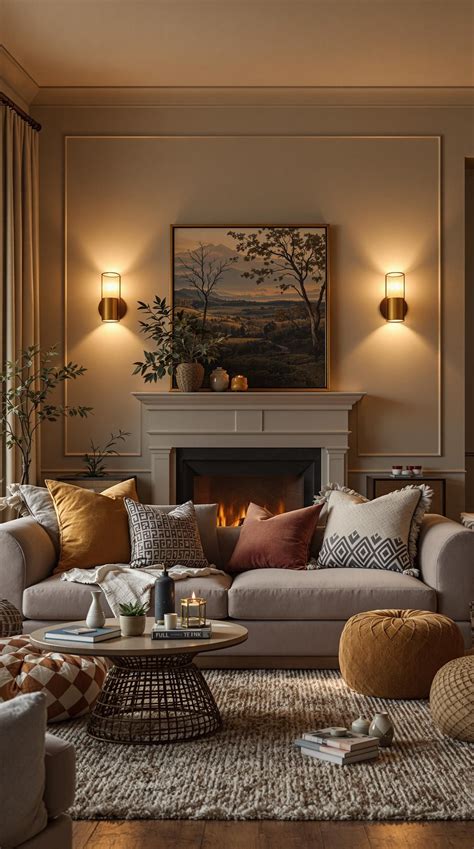
Many traditional US homes feature north-facing windows or architectural overhangs that can make living rooms feel dim and shadowy. Overcoming this requires more than just swapping out a light bulb; it demands a thoughtful combination of reflective surfaces, strategic lighting layers, and color psychology. Soft, warm neutrals with subtle light-reflecting undertones can instantly bounce ambient daylight around the room, making dark corners feel open and airy.
Layering Artificial Lighting Effectively
Relying solely on a single overhead ceiling fixture often creates harsh shadows and a clinical atmosphere. Instead, build a warm, inviting lighting scheme by combining three distinct layers: ambient lighting from overhead fixtures, task lighting for reading corners, and accent lighting to highlight architectural details or artwork. Placing floor lamps in dark corners and adding dimmable wall sconces will instantly elevate the room’s mood.
Selecting the Right Paint Undertones
When selecting paint colors to brighten a dim space, pay close attention to how natural daylight interacts with different undertones throughout the day. Cool gray paints can sometimes appear stark or blue in low-light rooms, whereas creamy off-whites, warm taupes, and soft buttercreams absorb and reflect light more harmoniously, wrapping the space in a welcoming glow.
Balancing Textures and Personal Style
A room decorated entirely in a single texture can easily feel flat and uninviting, regardless of how stylish the individual pieces might be. Creating a visually rich and tactile living room involves layering disparate materials like smooth leather, nubby bouclé, natural wood grains, and woven jute rugs. This interplay of textures adds physical depth and psychological warmth, making the space feel deeply curated and comfortable.
Mixing Materials for Depth
Combine sleek metal accents, such as a brushed brass coffee table base, with organic elements like a rustic reclaimed wood media console. This deliberate contrast prevents a room from looking too sterile or one-note. Introduce tactile elements gradually through throw blankets, velvet pillow covers, and ceramic vases to establish a balanced, harmonious atmosphere.
Frequently Asked Questions
How can I make a small US living room look bigger?
To make a compact living room feel larger, choose furniture with exposed legs to maintain visible floor space, hang curtains near the ceiling line to draw the eye upward, and incorporate mirrors to reflect natural light across the room.
What are the best color schemes to brighten a dark living room?
Warm whites, soft creams, and light greige shades with warm undertones work best in dark spaces because they reflect ambient light rather than absorbing it, helping to eliminate shadows and create an airy feel.
How do I mix different textures in living room decor?
Start with a neutral base and layer contrasting elements such as smooth leather, woven rattan, plush wool rugs, and metallic finishes. The key is to vary tactile surfaces so the eye travels smoothly across different points of interest in the room.


