Interior design is constantly evolving to match our changing daily routines, technological needs, and environmental values. As we look toward 2026, living room design shifts away from sterile, stark aesthetics and moves firmly toward spaces that prioritize organic textures, emotional comfort, and thoughtful technological integration. For modern American homeowners and renters, the goal is no longer just creating a showroom-ready space, but rather building a flexible environment that supports relaxation, connection, and everyday utility.
Understanding these upcoming directions allows you to make intentional upgrades rather than chasing short-lived fads. Whether you are planning a complete spatial remodel or simply refreshing your decor with new accent pieces, focusing on durable materials and flexible layouts ensures your living room remains relevant and welcoming for years to come.
The Rise of Warm Minimalism and Earthy Color Palettes
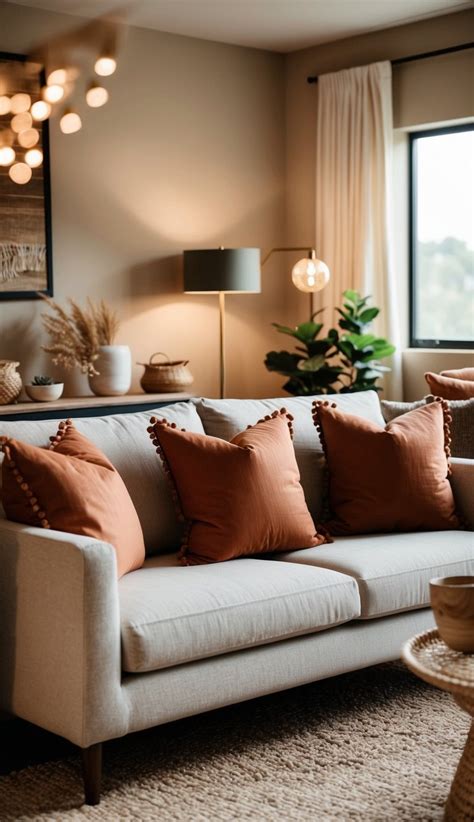
The stark, ultra-cool grays and clinical whites that dominated residential interiors for years are officially stepping aside. For 2026, color palettes are shifting toward warm minimalism, characterized by rich terracotta tones, muted olives, creamy oatmeals, and grounding clay shades. This approach retains the clutter-free, breathable layouts of traditional minimalism while injecting a profound sense of tactile warmth and emotional calm into the home.
Implementing this trend involves choosing foundational larger furniture pieces in neutral, textured upholstery and layering in richer accent colors through ceramics, textiles, and wall finishes. This style works exceptionally well in standard suburban family rooms and compact urban apartments alike, because warm neutrals naturally make a room feel cozier and more inviting without shrinking the perceived floor space.
Biophilic Design and Seamless Indoor-Outdoor Flow
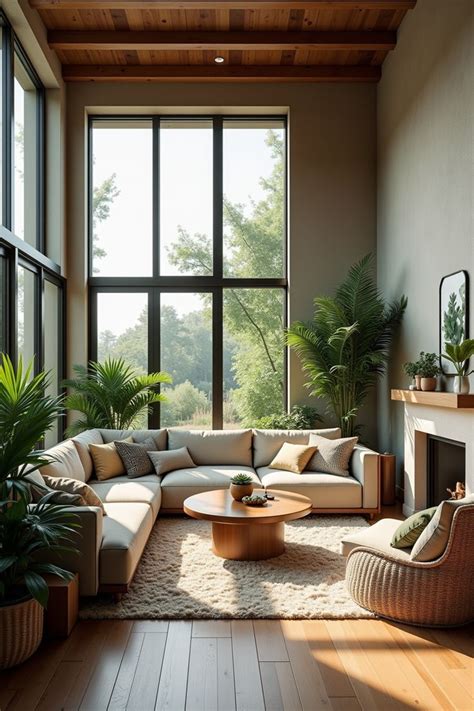
Bringing the outdoors inside remains a dominant design priority, but in 2026, biophilic design goes far beyond placing a few potted plants on a windowsill. Homeowners are intentionally incorporating architectural greenery, living walls, organic stone surfaces, and maximizing natural daylight to enhance overall well-being. This design philosophy acknowledges our innate need to connect with nature, which is especially valuable in dense urban environments where green space outside is limited.
To capture this look, consider arranging your seating layout to prioritize views of outdoor gardens or patios, and select furniture crafted from sustainably harvested woods and raw natural fibers like jute, rattan, and unbleached linen. Incorporating larger statement plants, such as a fiddle-leaf fig or a cascading pothos, can instantly soften rigid architectural corners and introduce vibrant, living energy into the heart of your home.
Eco-Conscious Materials and Circular Furnishings
Sustainability is no longer an afterthought in home decor; it is a primary driver for product design and manufacturing. In 2026, consumers are actively seeking out circular furnishings crafted from reclaimed wood, recycled metals, and biodegradable textiles. Choosing pieces with transparent supply chains and durable construction helps reduce environmental impact while bringing unique historical character into modern living spaces.
When shopping for new living room additions, evaluate the core materials and construction methods rather than just the visual surface. Look for certifications that guarantee responsible forestry or textile production. Investing in vintage, antique, or locally handcrafted furniture is another brilliant strategy to minimize your carbon footprint while curating a space that feels deeply personal and entirely distinct from mass-market trends.
Thoughtful Integration of Smart Home Technology
Technology continues to weave itself more invisibly into our living spaces. The trend for 2026 focuses heavily on concealed or design-forward smart integrations. Bulky media consoles and exposed wires are being replaced by acoustic fabric panels, motorized projection screens that double as art pieces, and architectural lighting systems that automatically adjust color temperatures based on the time of day.
Renters and homeowners can both benefit from wireless, battery-operated smart lighting fixtures and voice-activated climate controls that mount easily without damaging walls. By keeping technology understated and functional, the living room remains a sanctuary for human connection and relaxation rather than feeling like a command center for electronic devices.
Frequently Asked Questions
What are the dominant living room color palettes for 2026?
The dominant color palettes for 2026 focus on warm minimalism, featuring grounding earth tones like terracotta, muted olive, warm clay, and soft oatmeal. These shades replace the stark grays of previous years, creating cozy, inviting spaces.
Are minimalist living rooms still popular in 2026?
Yes, minimalism remains popular, but it has evolved into warm minimalism. This style keeps clean, uncluttered layouts while introducing richer textures, tactile fabrics, and comforting natural colors to avoid a cold or sterile feel.
How can I integrate smart technology seamlessly into my living room?
You can integrate smart technology by opting for concealed wiring, acoustic fabric media panels, and design-forward smart lighting that blends into your decor. The key is making technology functional without letting it dominate the visual aesthetic of the room.
What sustainable materials are trending for modern American homes?
Trending sustainable materials include reclaimed timber, recycled metals, organic linen, and natural fibers like jute and rattan. Consumers are prioritizing durable, circular furnishings with traceable, eco-friendly manufacturing practices.


