Creating a high-end, professionally styled living room does not require an unlimited budget or a roster of luxury contractors. Often, the distinction between a room that feels thrown together and one that feels curated lies in the foundational layers of design: scale, texture, lighting, and placement. Whether you own your home or live in a rental apartment, mastering a few core styling principles can completely transform your everyday environment.
Professional interior designers rely on deliberate choices rather than expensive price tags to establish visual depth. By understanding how to manipulate light, select complementary textiles, and anchor your furniture correctly, you can achieve a sophisticated aesthetic that feels both welcoming and intentional. The following strategies provide a practical roadmap to elevate your living room without overspending.
Master Furniture Scale and Room Layout
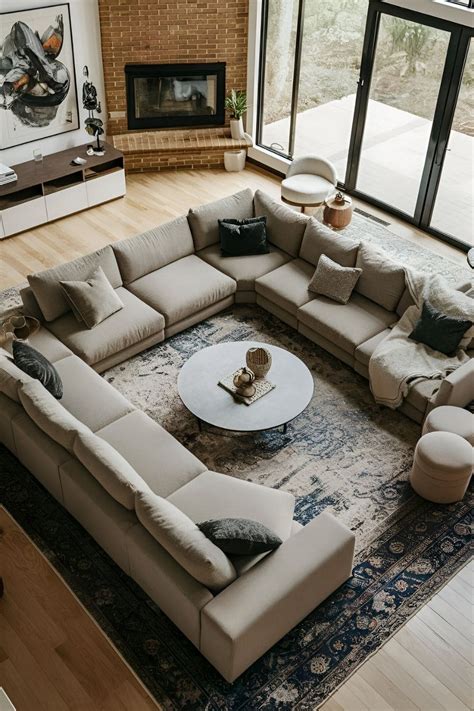
One of the most common pitfalls in home decorating is misjudging the scale of furniture and rugs. Many homeowners push all their seating against the perimeter of the room, creating an uninviting dead space in the center. Instead, pulling furniture slightly away from the walls establishes an intimate conversation area that immediately feels more custom and deliberate.
Equally important is the selection of your area rug. A rug that is too small instantly shrinks the visual footprint of the space. Ideally, your living room rug should be large enough for the front legs of all major seating pieces to rest upon it. If you are working within a rental where replacing flooring is impossible, a properly sized, high-texture rug serves as a powerful anchor that defines the entire room’s aesthetic.
Layer Textures and Quality Textiles
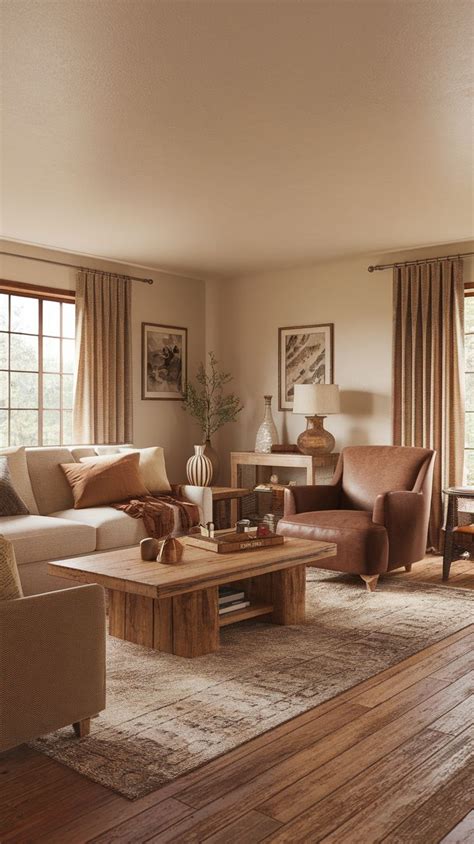
A room decorated in a single flat texture can easily feel sterile or cold, no matter how expensive the individual items are. To capture a designer aesthetic, focus on layering diverse materials such as woven jute, smooth leather, distressed wood, and heavy linen or velvet. This tactile variety introduces natural warmth and visual movement across the space.
When selecting soft furnishings like throw pillows and blankets, look for natural fibers and substantial inserts rather than lightweight synthetic fills. Feather or down-alternative inserts provide that coveted high-end karate chop look while offering genuine comfort. For renters who cannot change architectural elements, layering fabrics through drapery panels hung near the ceiling line can dramatically alter the perceived height and luxury of a room.
Design a Layered Lighting Scheme
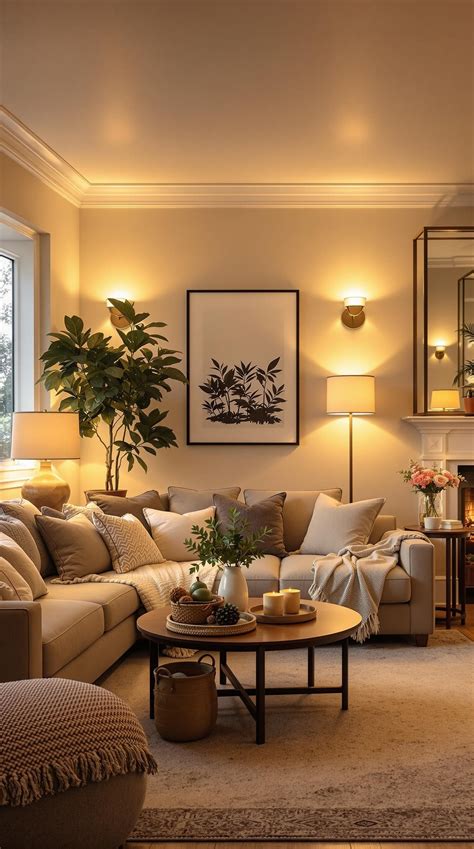
Overhead lighting alone rarely creates a welcoming atmosphere. Professional designers almost always rely on a multi-tiered lighting plan that incorporates ambient, task, and accent lighting at varying heights throughout the room. Combining floor lamps, table lamps, and wall sconces allows you to eliminate harsh shadows and cultivate a warm, inviting glow.
For renters or those hesitant to hire an electrician, plug-in wall sconces and rechargeable battery-operated bulbs offer an ingenious way to incorporate designer-style lighting without damaging walls or running wires. Choosing warm color temperatures between 2700K and 3000K ensures your living room maintains a cozy, upscale ambiance rather than feeling clinical or harsh.
Frequently Asked Questions
How can I make my living room look more expensive on a budget?
Focus on details that mimic custom architecture and quality craftsmanship. Swap out builder-grade light fixtures for statement pieces, hang curtain panels high and wide to frame windows generously, and declutter surfaces to let statement decor breathe.
What are common styling mistakes to avoid in the living room?
Common mistakes include choosing an area rug that is too small, hanging artwork significantly above eye level, pushing all furniture flush against the walls, and relying solely on a single overhead ceiling light instead of a layered lamp scheme.
How do I style a living room if I am renting?
Renters can achieve a high-end look by focusing on mobile elements like oversized art, large rugs, layered textiles, plug-in wall sconces, and freestanding shelving units. Removable peel-and-wallpaper or accent furniture also add customized personality without violating lease agreements.


