The entryway sets the tone for your entire home, acting as a transition zone between the bustling outside world and your private sanctuary. At the heart of this welcoming space sits the console table. More than just an aesthetic anchor, a well-chosen console table provides a functional drop zone for keys, mail, and everyday essentials while showcasing your personal design style. Finding the right piece requires balancing physical constraints like narrow hallways with visual goals such as creating a balanced, inviting vignette.
Navigating the vast array of available console tables can feel overwhelming without a clear game plan. Whether you are working with a compact apartment foyer or an expansive suburban hallway, understanding the interplay of scale, material, and storage functionality will steer you toward a piece that serves your household for years to come. By prioritizing thoughtful measurement and intentional styling, you can transform an awkward entryway into a polished, purposeful space.
Understanding Scale and Proportions in Small Foyers
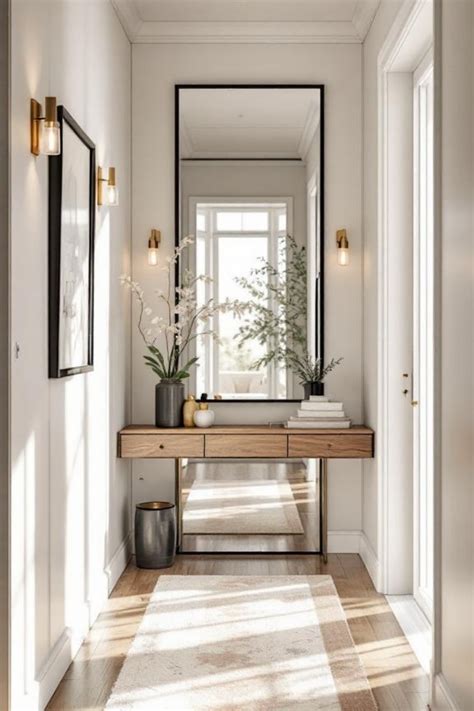
Before falling in love with a decorative silhouette, you must evaluate the physical dimensions of your entryway. Standard console tables typically measure between 30 and 36 inches in height, aligning nicely with standard doorknobs and standard wall switches. However, depth is the most critical measurement in narrow hallways. Tables with a depth of 10 to 12 inches provide enough surface area for a small lamp or mail tray without creating a hazardous bottleneck in high-traffic pathways.
Leaving adequate clearance around the furniture piece ensures the flow of daily foot traffic remains uninhibited. Aim to maintain at least 36 inches of walking space between your console table and opposing walls or living room thresholds. If your foyer is exceptionally tight, consider floating a wall-mounted console shelf or opting for a semi-circle demi-lune table. These alternative silhouettes eliminate bulky table legs, tricking the eye into perceiving a more open, airy footprint while still offering a functional surface.
Matching Materials to Your Lifestyle and Design Aesthetic
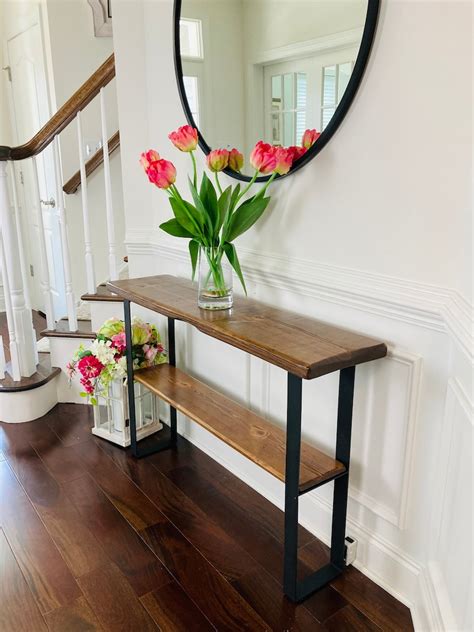
The material composition of your console table dictates both its visual weight and durability in a busy home. Solid wood options, such as oak, walnut, or reclaimed pine, introduce warmth and timeless character. They suit traditional, transitional, and rustic interiors exceptionally well. However, solid wood requires mindful maintenance to prevent water rings from damp umbrellas or scratches from tossed keys, making protective coasters or a glass top a smart consideration for families.
For modern, industrial, or contemporary homes, pairing metal frames with tempered glass, marble, or concrete creates a sleek, sophisticated statement. Iron and steel bases provide robust structural integrity without visual bulk, allowing light to pass underneath and making small entryways feel larger. Marble and engineered stone surfaces offer luxurious durability, though they often demand specialized sealants to resist staining from everyday spills. Assess your household’s daily habits honestly before committing to a delicate material finish.
Balancing Open Storage and Closed Cabinetry
Functional needs should heavily influence whether you purchase a minimalist console table or a storage-heavy furniture piece. Open-shelf console tables provide an ideal stage for decorative baskets, woven bins, or neatly stacked art books. These lower shelves keep everyday items organized while maintaining an open line of sight that prevents the foyer from feeling cluttered or heavy.
Conversely, console tables featuring built-in drawers offer concealed storage for unsightly clutter like loose charging cords, extra masks, and dog leashes. If your family tends to accumulate miscellaneous items right at the front door, a drawer unit keeps surfaces looking pristine. For maximum flexibility, look for hybrid designs that incorporate a single slender drawer alongside an open bottom shelf, giving you the best of both storage worlds.
Layering the Tabletop: A Step-by-Step Styling Formula
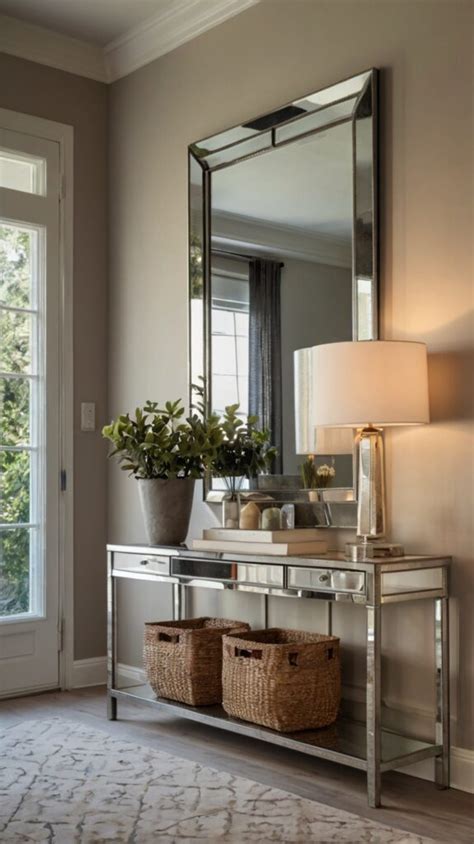
Styling an entryway console table successfully relies on mixing heights, textures, and functional elements without overcrowding the surface. Begin by anchoring one side of the table with a vertical element, such as a tall table lamp or a round wall mirror hung slightly above the surface. This vertical anchor draws the eye upward and establishes a balanced focal point for the entire vignette.
Next, layer mid-height items in the center or opposite side, incorporating objects like a ceramic vase filled with seasonal botanicals or a small sculptural bowl for keys. Finally, ground the composition with low-profile horizontal elements, such as a stack of hardcover books or a decorative tray. The key to avoiding visual clutter is leaving roughly thirty to forty percent of the table’s surface completely bare, allowing the eye to rest and giving incoming guests a clear spot to set down their belongings.
Frequently Asked Questions
How do I choose the right size console table for a small entryway?
Focus primarily on the table’s depth and clearance. Look for slim profiles measuring 10 to 12 inches deep, and ensure you leave at least 36 inches of walking space around the piece to maintain unobstructed traffic flow.
How high should an entryway console table be?
Most standard console tables range between 30 and 36 inches high. This height aligns comfortably with standard wall switches and makes the tabletop easily accessible when walking through the door.
Should I choose an open-shelf console table or one with drawers?
Choose drawers if your household struggles with clutter like keys, mail, and miscellaneous pocket items that need hiding. Choose open shelving if you prefer a lighter look and plan to use decorative baskets for organized storage.
How can I style a narrow entryway table without cluttering it?
Stick to the rule of thirds: use one tall element (like a lamp or mirror), a mid-sized object (like a vase), and a low horizontal piece (like a tray). Ensure at least a third of the surface remains completely empty.


