When guests step through your front door, the entryway sets the tone for your entire home. A well-chosen console table anchors this transitional space, offering an immediate impression of hospitality and refined design. Ethan’s curated selections emphasize that beyond mere aesthetics, these versatile pieces solve everyday storage challenges by collecting mail, keys, and daily essentials before they spread into the rest of the house. Selecting the ideal furniture piece involves balancing architectural proportions with functional needs. Whether you gravitate toward warm hardwoods, sleek brushed metals, or minimalist glass surfaces, understanding how different shapes and finishes interact with your floor plan ensures a cohesive, intentional result throughout your American home or apartment.
Integrating these statement furniture items requires careful consideration of scale, lighting, and workflow patterns. When you view your foyer as an active room rather than a mere passageway, styling opportunities multiply. Ethan’s design philosophy encourages homeowners to look at foundational pieces as blank canvases capable of evolving with seasonal decor shifts while maintaining strict everyday practicality.
Sofa Tables Versus Console Tables: Knowing the Distinction
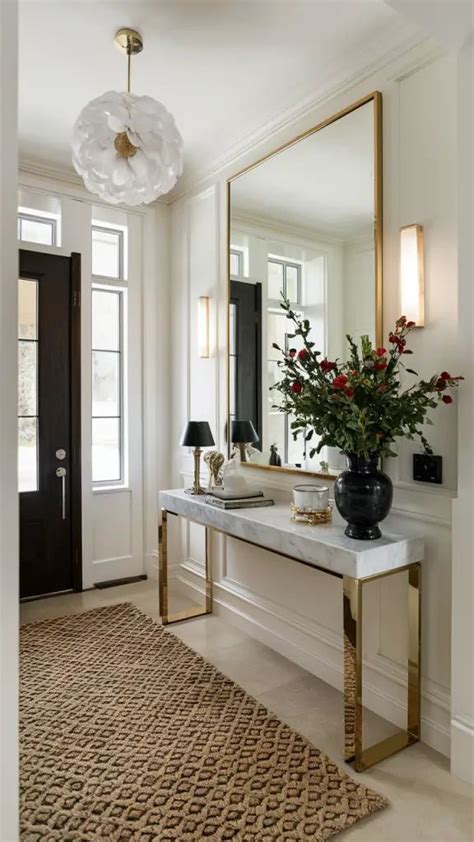
While often used interchangeably in retail terminology, traditional console tables and sofa tables serve distinct spatial functions within an interior layout. A classic console table is designed to stand flat against a wall, frequently anchored with wall-mounted mirrors or large-scale art pieces. Because they lean against a vertical surface, they often feature shallower depths, making them ideal for narrow foyers, tight corridors, and compact transitional spaces where every inch of floor clearance matters.
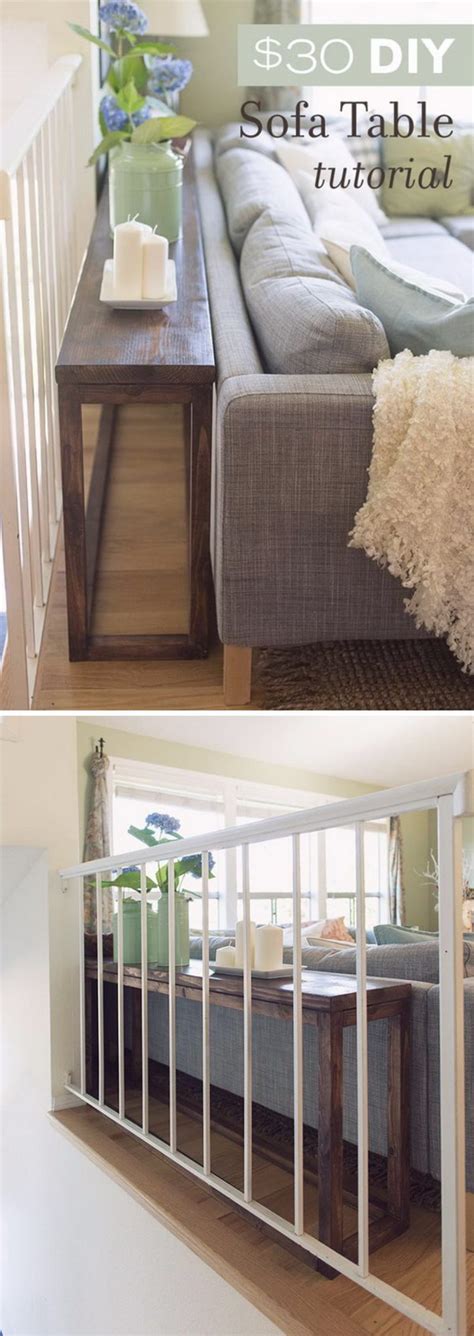
Sofa tables, on the other hand, are engineered to stand directly behind the back of a living room sofa, particularly in open-concept floor plans. Their height is specifically calibrated to match or sit slightly below the sofa’s top cushion line. When placing a table behind a floating sofa, finished backs and stable base designs become critical considerations to maintain visual polish from every viewing angle in the room.
Understanding this structural difference prevents awkward furniture placements and ensures that your chosen piece fulfills its intended ergonomic purpose. Ethan’s collection highlights that forcing a wall-bound console into an open floating layout often results in awkward gaps, whereas utilizing a true sofa table creates a seamless transition between distinct living zones.
Sizing and Spatial Planning for Entryway Tables
Proportion dictates the success of any hallway furniture layout, making accurate measuring an indispensable first step before purchasing. In compact entryways, a shallow console measuring ten to twelve inches in depth prevents the walkway from feeling constricted or hazardous. Homeowners must maintain a comfortable clearance of at least thirty-six inches around the table to allow smooth foot traffic and ensure adjacent doors swing open without structural obstruction.
Height is equally vital for visual comfort and functional accessibility. Most standard accent tables stand between thirty inches and thirty-six inches tall. If you plan to mount a statement mirror above the console, the bottom frame should sit roughly six to eight inches above the tabletop, creating a unified vertical vignette that draws the eye upward and enhances the perceived ceiling height of your foyer.
When laying out your room, consider the visual weight of surrounding architectural elements like staircase railings, baseboards, and doorframes. Ethan’s design guidance notes that matching the linear scale of your table to the surrounding wall expanse keeps the room feeling balanced rather than top-heavy or cramped.
Curating Material Finishes and Modern Trends
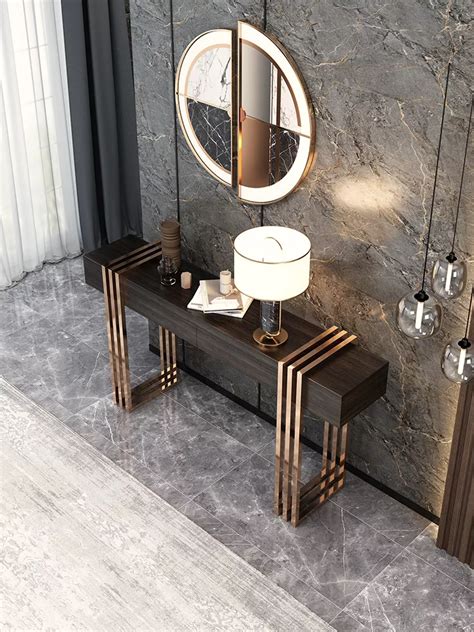
Material selection defines the enduring character of your furniture and influences how natural and artificial light moves through the room. Rich walnut and weathered oak introduce organic warmth and traditional grounding, making them exceptional choices for transitional and craftsman-style residences. These natural wood grains hide minor everyday wear remarkably well, offering dependable longevity in high-traffic family zones.
Conversely, polished nickel bases paired with white marble tops deliver a crisp, contemporary aesthetic suited for urban apartments and modern minimalist interiors. Glass-topped consoles offer a clever optical illusion for smaller spaces, as they allow light to pass through uninterrupted, visually expanding the floor area while still providing a functional surface for decor and lighting.
Balancing durability with visual lightness is a hallmark of Ethan’s aesthetic recommendations. By selecting materials that complement your lifestyle—such as scratch-resistant sealed woods for homes with pets or children—you ensure that your entryway furniture remains stunning and resilient for years to come.
Frequently Asked Questions
What is the main difference between a console table and a sofa table?
Console tables are generally built to stand flat against a wall in hallways or entryways, whereas sofa tables are designed to sit directly behind a living room sofa, often featuring finished backs and heights matched to standard couch cushions.
How high should an entryway console table be?
Standard console tables typically range between 30 and 36 inches in height. The ideal height depends on your ceiling clearance and whether you plan to hang a mirror or artwork above it.
How can I prevent my console table from looking cluttered?
Adopt the rule of asymmetry and group items in odd numbers. Combine a tall element like a lamp or vase with mid-height decor and a low tray for keys, leaving at least one-third of the surface completely empty.
What materials work best for high-traffic entryways?
Hardwoods like oak and walnut, along with powder-coated metals, provide excellent durability and resistance to scratches, making them ideal for busy households.


